MC
MandarinClips Cinema Corpus
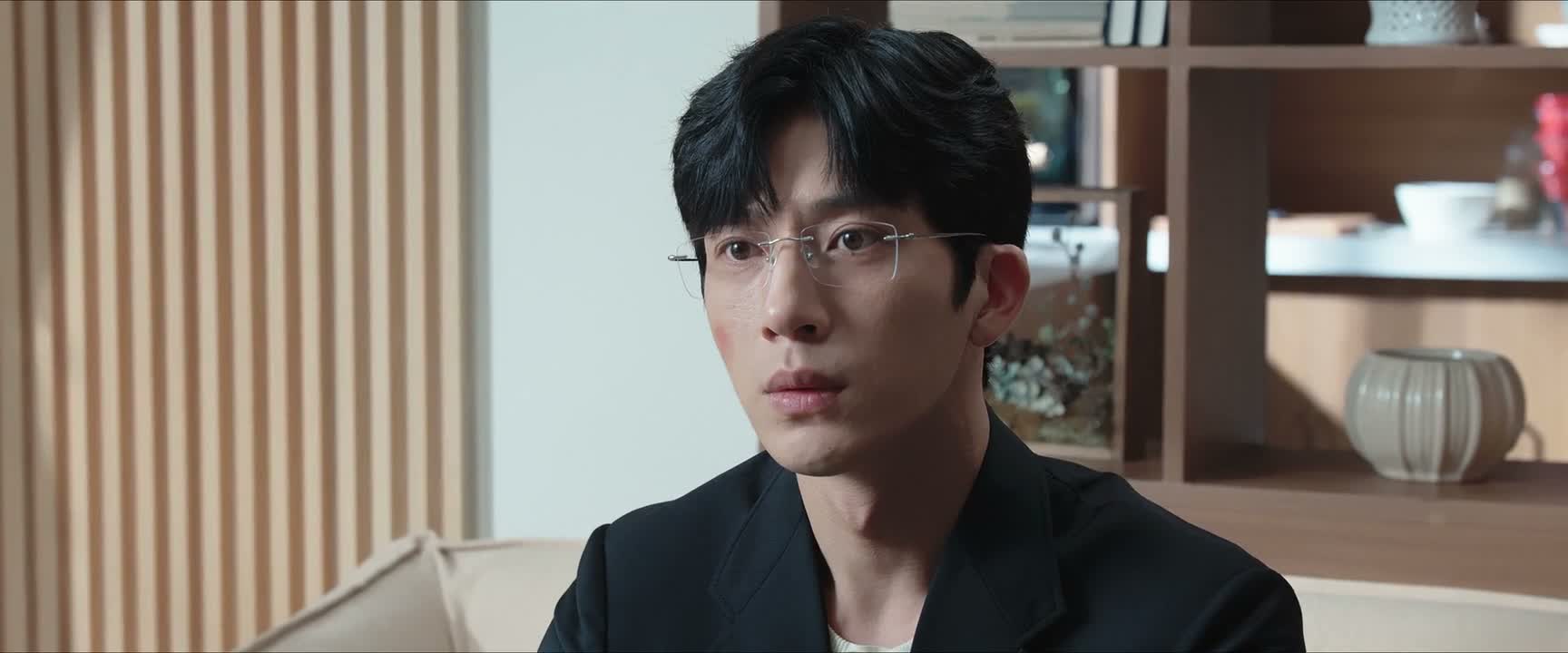
《Sunsets Secrets Regrets》 S1·E13 (01:59) HSK 5
nǐ zhè dōu kàn de shén me ya tuī lǐ xiǎo shuō

你这都看的什么呀 推理小说

“What kind of stuff have you been reading? Mystery novels.”

《Sunsets Secrets Regrets》 S1·E13
TIMECODE: 01:59 · 1080P MASTER AUDIO

THE DIALOGUE REEL

1+1+1 SPOKEN CONTINUITY
[-1] PREVIOUS TURN nǐ shì xiǎng zhī dào hái shì bù xiǎng zhī dào a

“Would you want to know or not?”

nǐ zhè dōu kàn de shén me ya tuī lǐ xiǎo shuō CURRENT FOCUS

你这都 看的什么呀 推理小说

“What kind of stuff have you been reading? Mystery novels.”

[+1] FOLLOW-UP TURN gē

哥

“Chuan,”

Subtitles synced to millisecond timecode Browse Show Clips →
Scene: Family & Home
Function: TEASING INQUIRY
Tone: TEASING
Emotion: AMUSEMENT
WHAT THEY REALLY MEAN (PRAGMATIC SUBTEXT)
“Why are you reading this kind of stuff instead of doing something more serious?”
💡 Cultural Insight: Casual Teasing Among Family Members

In Chinese familial dynamics, older siblings or close relatives often use blunt or mock-critical questions about personal hobbies as an affectionate way to show care and initiate dialogue.

INTENT TAGS: #inquiry #teasing #icebreaking #banter
🧩

LEARNING CHUNKS & PARTICLES

2 CHUNKS · 1 PARTICLES
看的什么呀 SPOKEN CHUNK

what on earth are you reading/watching

Commonly used in casual speech to express curiosity, surprise, or mild teasing about someone's entertainment choices.

推理小说 SPOKEN CHUNK

mystery novels / detective fiction

A standard term used when discussing literary genres, specifically whodunits or crime fiction.

Modal Particle「呀」 (ya) CHANGE OF STATE

Softens the interrogative tone, making the question sound casual, friendly, or gently teasing rather than confrontational.

🏮

VOCABULARY & EXPRESSIONS

1 EXPR · 1 GRAMMAR
GRAMMAR BLUEPRINTS:
CROSS-CINEMA CORPUS BOARD · PARALLEL SCENES

Parallel Spoken Cinema Scenes (语义近邻切片)

EXPLORE BY SEMANTIC SIMILARITY
《Sunsets Secrets Regrets》 S1·E13 (01:59) · Authentic Cinema Dialogue Corpus