这让我们怎么活啊 高厂长 我们上有老下有小啊
“Yeah! How are we supposed to live? Ms. Gao. We have a family to support!”
THE DIALOGUE REEL
“My whole family depends on my wages. Yeah! How are we supposed to live?”
这让我们 怎么活啊 高厂长 我们 上有老下有小 啊
“Yeah! How are we supposed to live? Ms. Gao. We have a family to support!”
“If you shut us down, our families will starve; you cannot do this to us.”
The phrase '上有老下有小' encapsulates the core Confucian filial and parental responsibility resting on middle-aged workers, serving as the ultimate appeal to social compassion.
LEARNING CHUNKS & PARTICLES
how can one survive / how to live
A dramatic rhetorical expression of extreme distress and hopelessness regarding one's basic livelihood.
having elderly parents above and young children below to support
A ubiquitous idiom used to evoke empathy by illustrating heavy family financial burdens.
Expresses desperation and heightens the emotional urgency of the plea.
VOCABULARY & EXPRESSIONS
Parallel Spoken Cinema Scenes (语义近邻切片)

“- What's wrong? - Ms. Gao. A town government cadre is looking for you.”
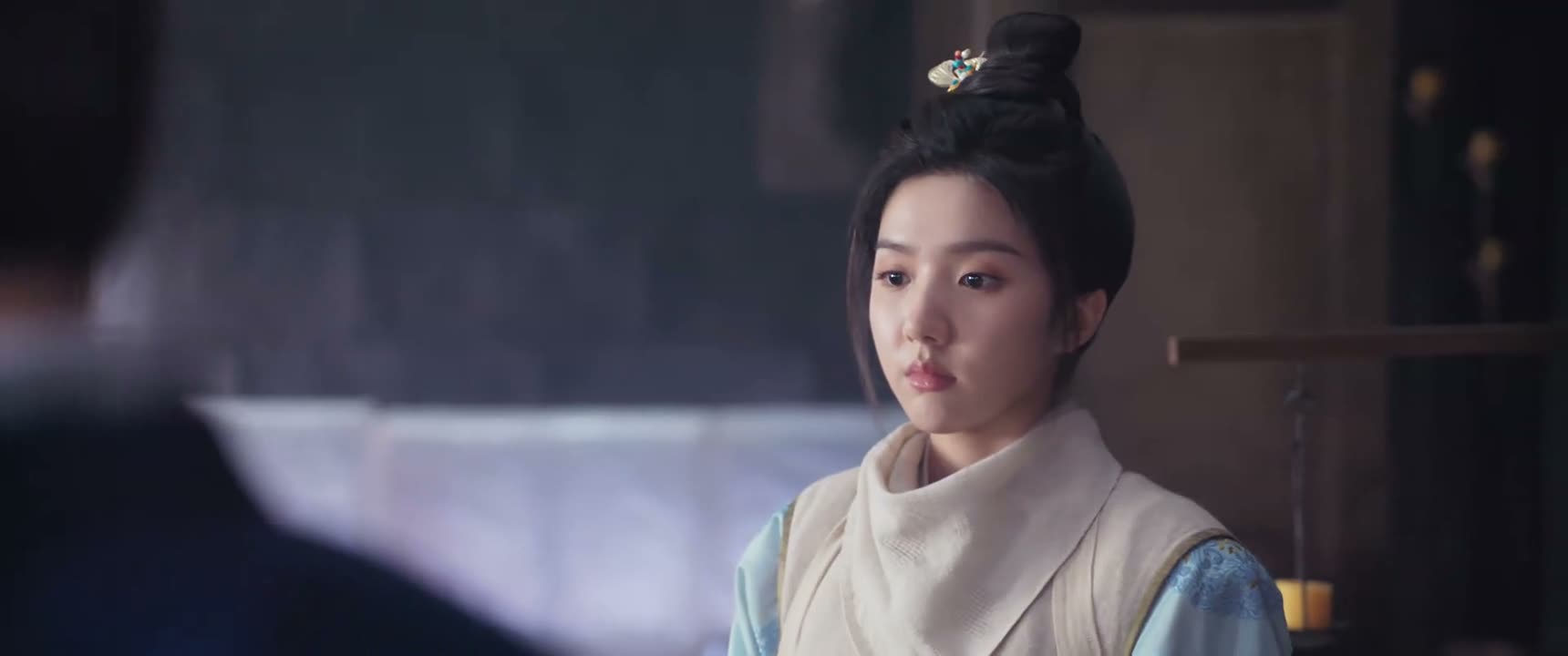
“How are we to live now?”

“Otherwise, I'm telling you, Ms. Gao, you'll be in a mess. Come on.”

“Ms. Gao, can you act more naturally?”

“Ms. Gao, don't say that! I wouldn't dare.”

“How are the common people supposed to survive?”