上有老下有小
shàng yǒu lǎo xià yǒu xiǎoCommon spoken expression used by native Chinese speakers in daily life.
[Scene: 其他场景]
(3 clips) 00:02
 00:02
 00:03
(我全家都靠我 工资养活啊 对啊) ── Previous context
“Yeah! How are we supposed to live? Ms. Gao. We have a family to support!”
[Scene: 其他场景]
(2 clips) 00:02
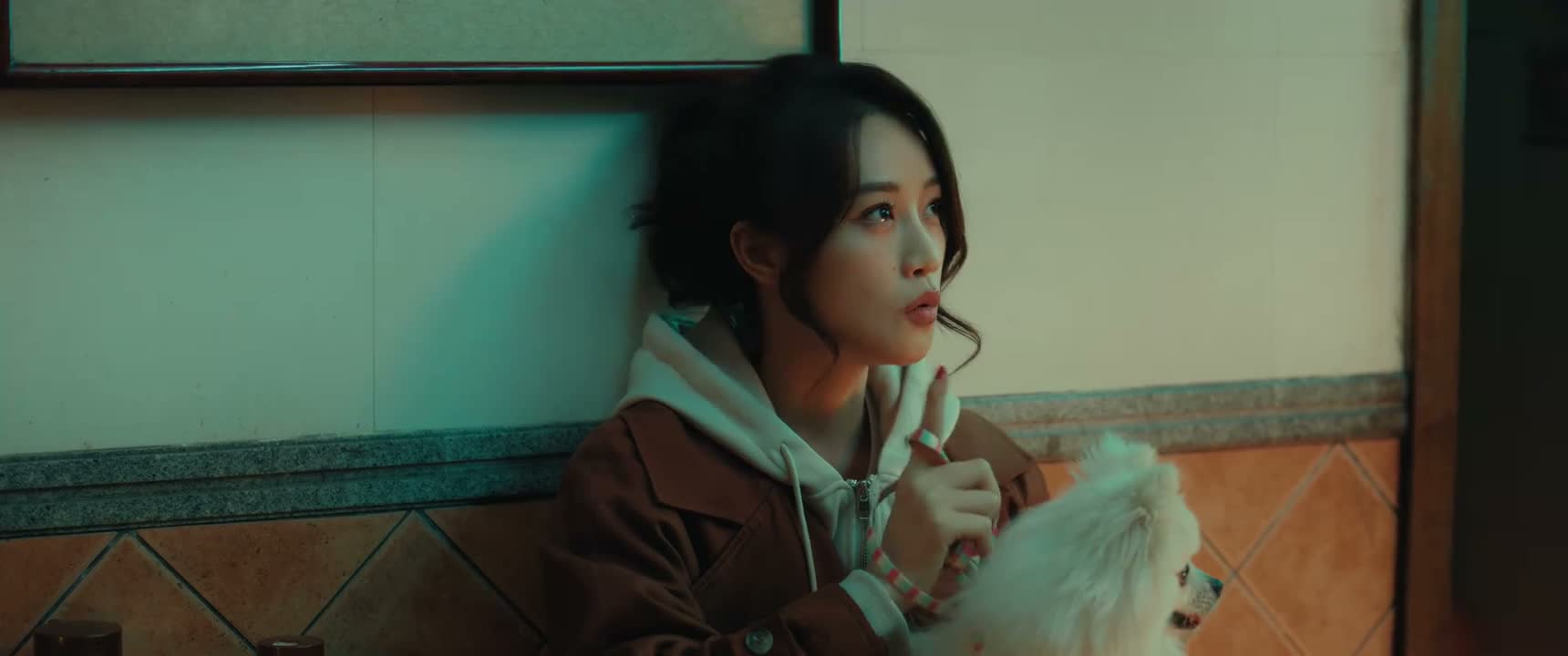 00:03
(我觉得你说得对) ── Previous context
“I have my mom and kid. I can't take on another old man.”
[Scene: 家庭日常]
(1 clips)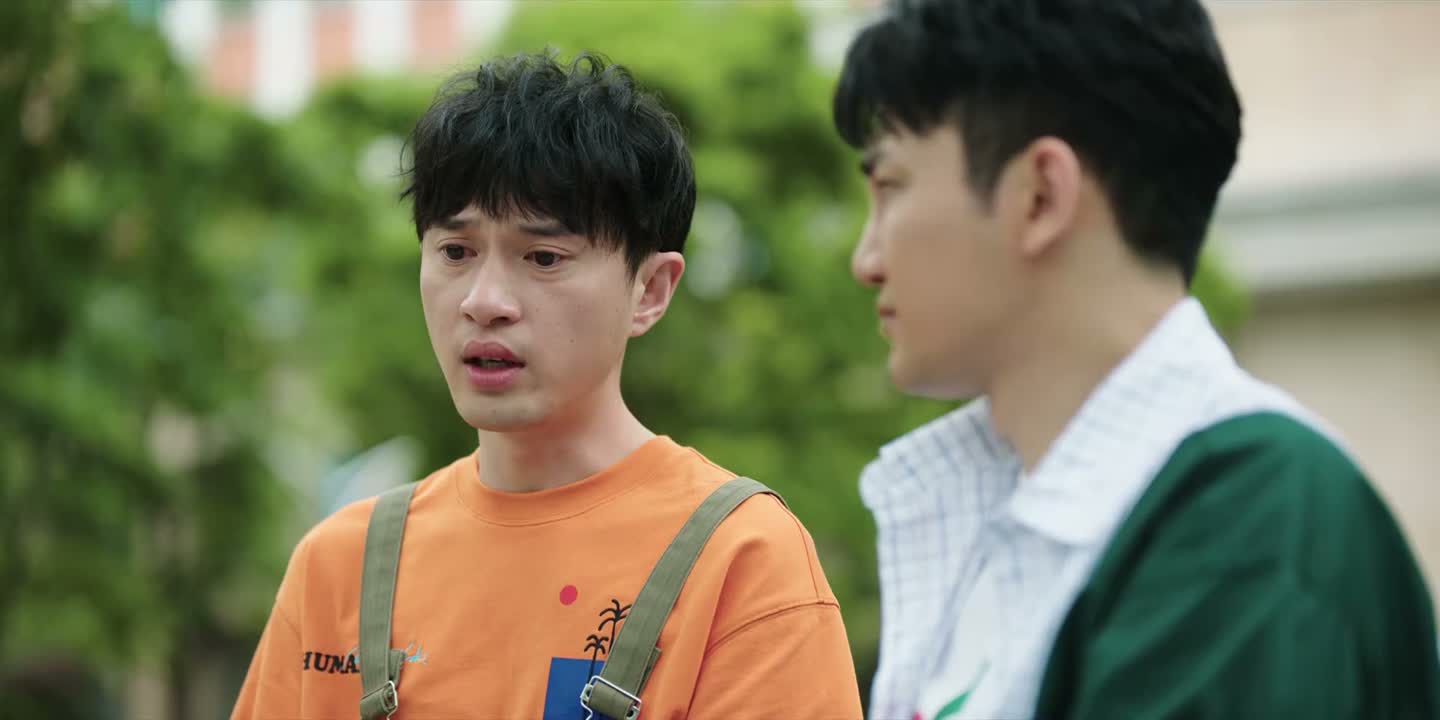 00:02
(我知道这 这半年确实不多) ── Previous context
“But in the future, we'll have elders and kids to support.”
[Scene: 职场工作]
(1 clips) 00:03
📌 伺候
→Nuance: 同向近义词根配对: [我们 ↔ 咱们]
📌 不是
→Nuance: 反问句委婉表达普遍负担
📌 不是
→Nuance: 泛指与特指互通,表达家庭负担
📌 来
→Nuance: 反问句委婉表达普遍负担
📌 要养
→Nuance: 地道成语表达家庭负担重
📌 过上好日子
→Nuance: 同向近义词根配对: [我们 ↔ 咱们]
📌 一起
→Nuance: 同向近义词根配对: [我们 ↔ 咱们]
📌 给我
→Nuance: 同向近义词根配对: [我们 ↔ 咱们]
📌 好日子
→Nuance: 同向近义词根配对: [我们 ↔ 咱们]