麻烦你啊 林老师 先帮我把别墅
“Sorry to trouble you, Ms. Lin. But could you turn off”
THE DIALOGUE REEL
瞬间电压对线路影响比较大 我也怕影响其他房间
“Surge voltage has a big impact on the circuit. I'd hate to affect the other rooms.”
麻烦你 啊 林老师 先 帮我把 别墅
“Sorry to trouble you, Ms. Lin. But could you turn off”
所有电闸都拉一下吧 好 我去拉一下三楼的电闸
“all switches in the house now? Okay. I'll go turn off the switches on the third floor.”
Direct spoken expression in this communicative setting.
In China, calling someone 'Laoshi' (Teacher) extends far beyond schools; it is a versatile honorific showing deference to skilled professionals or respected elders.
LEARNING CHUNKS & PARTICLES
may I trouble you; excuse me
A standard politeness formula used right before requesting a favor or task from someone.
Teacher Lin
Addressing someone with their surname plus 'Teacher' conveys professional respect, even outside classroom settings.
Softens the directness of the address and polite request, making the tone warmer.
VOCABULARY & EXPRESSIONS
Parallel Spoken Cinema Scenes (语义近邻切片)
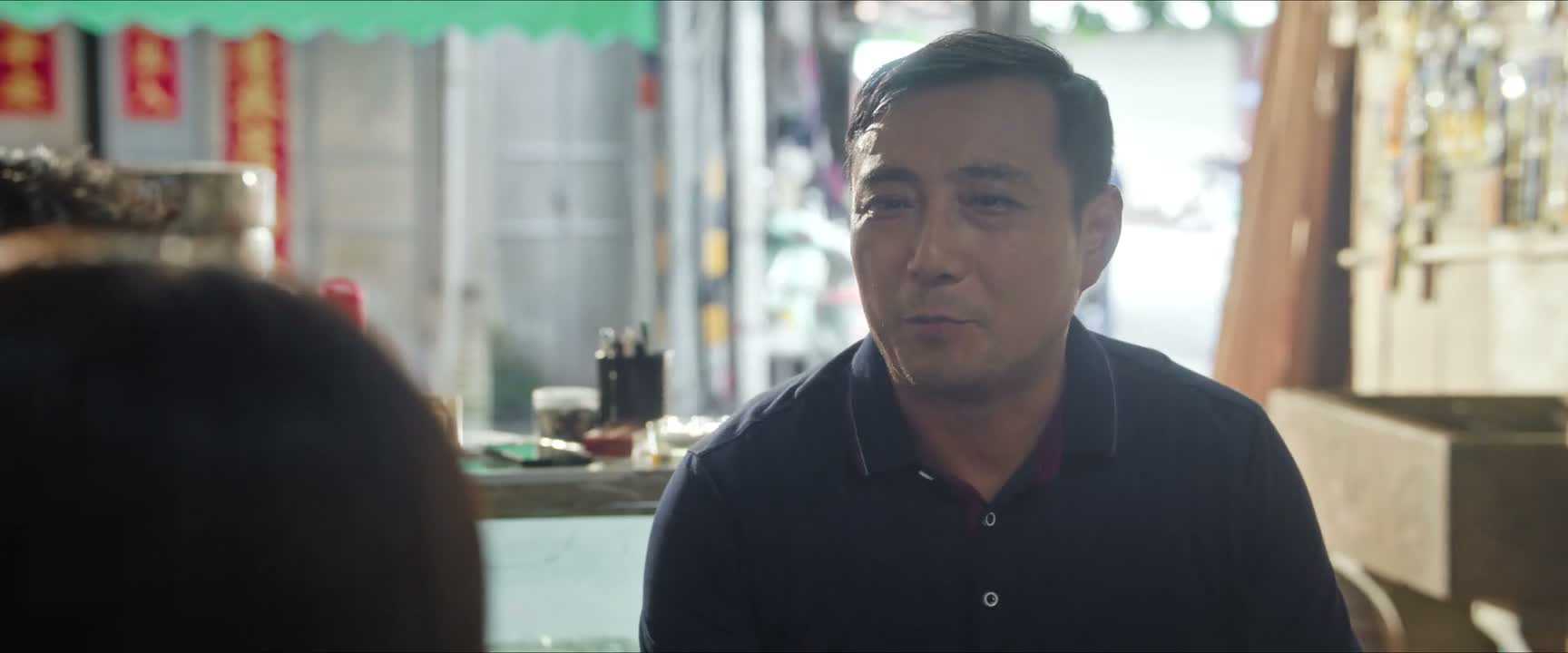
“I'm sorry, Ms. Lin. Sorry you had to see that.”
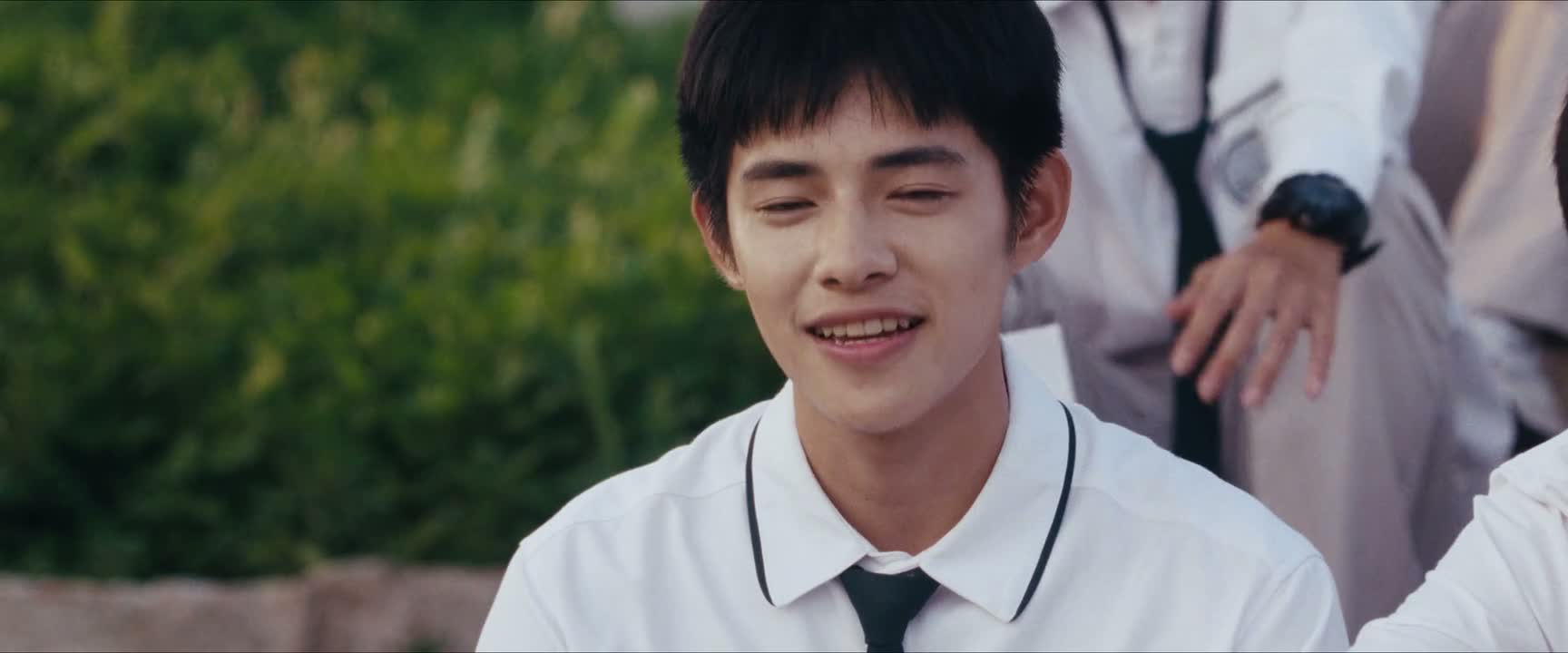
“Ms. Lin. I thought about this question for a long time,”
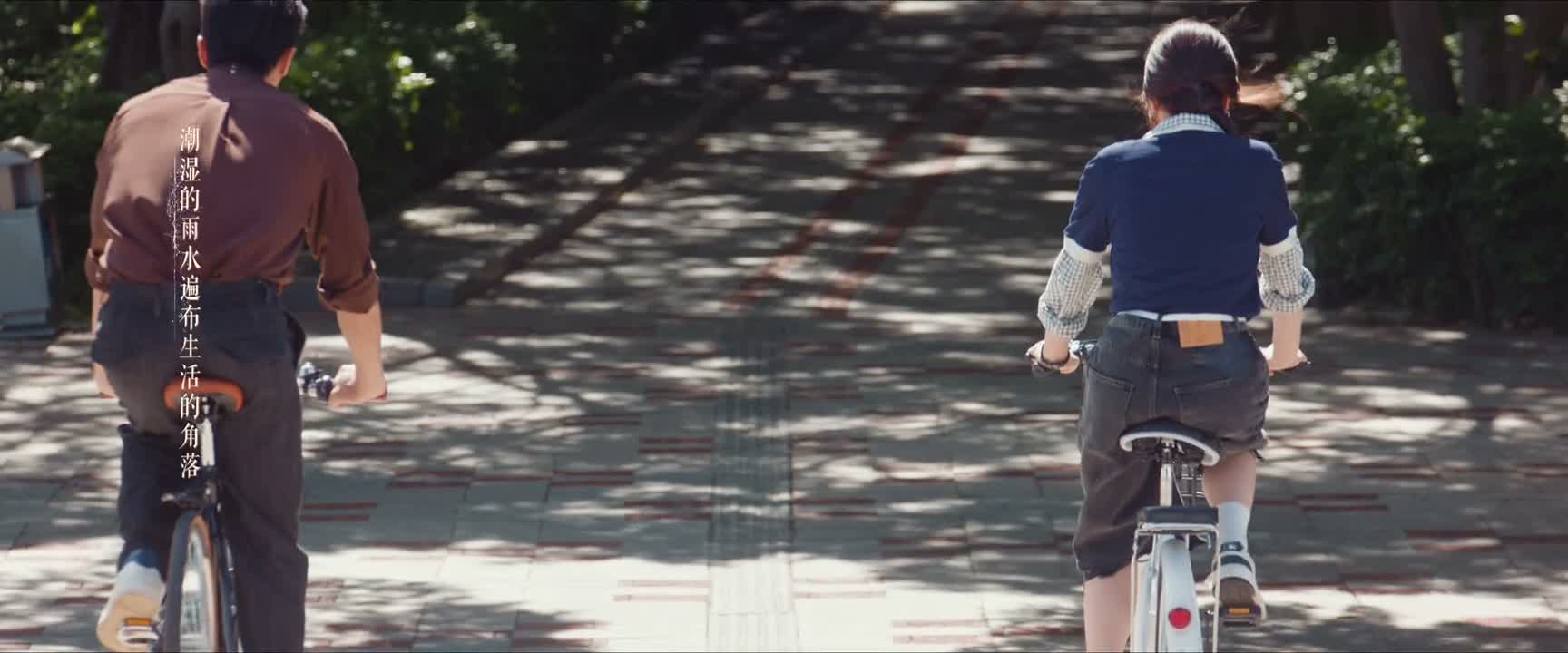
“♪ Rain falls around ♪ Ms. Lin's got big ambitions. Then I'll look forward to it. ♪ In your arms ♪”
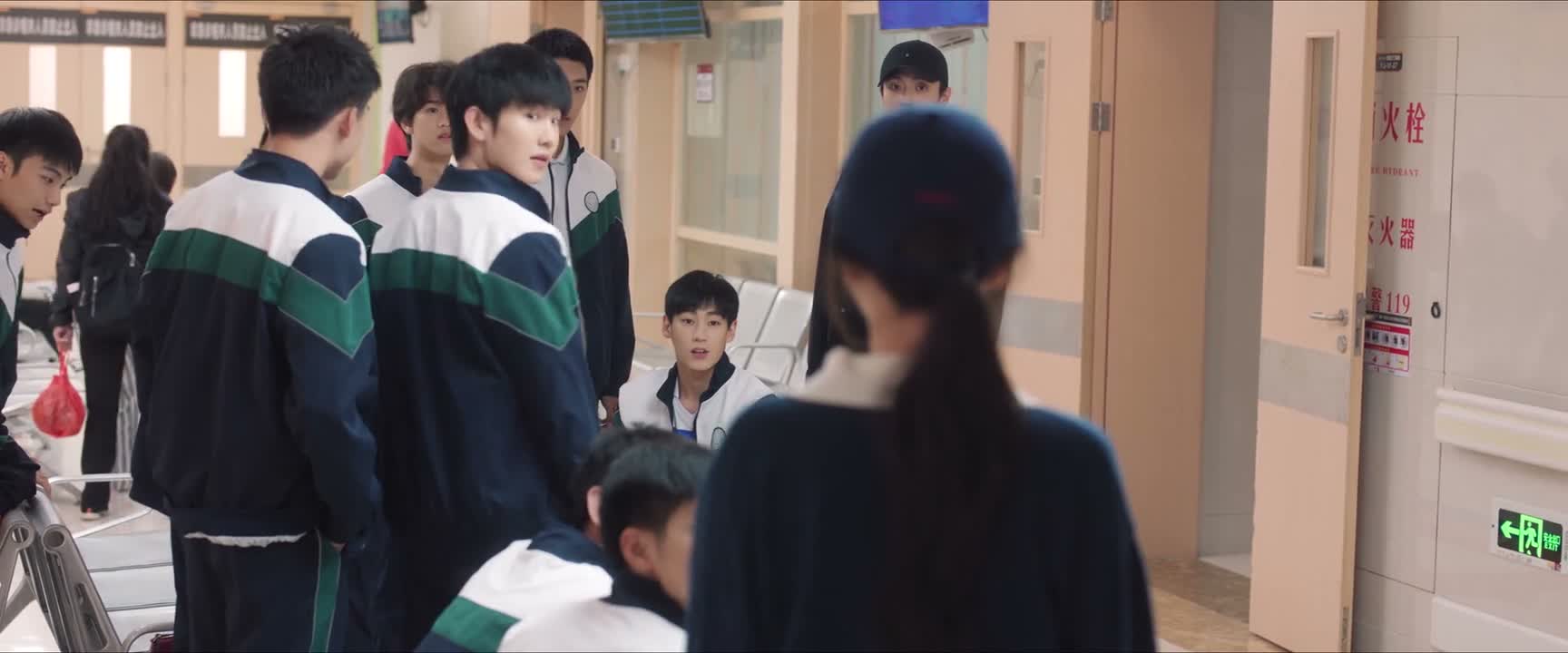
“Ms. Lin, I'm fine.”
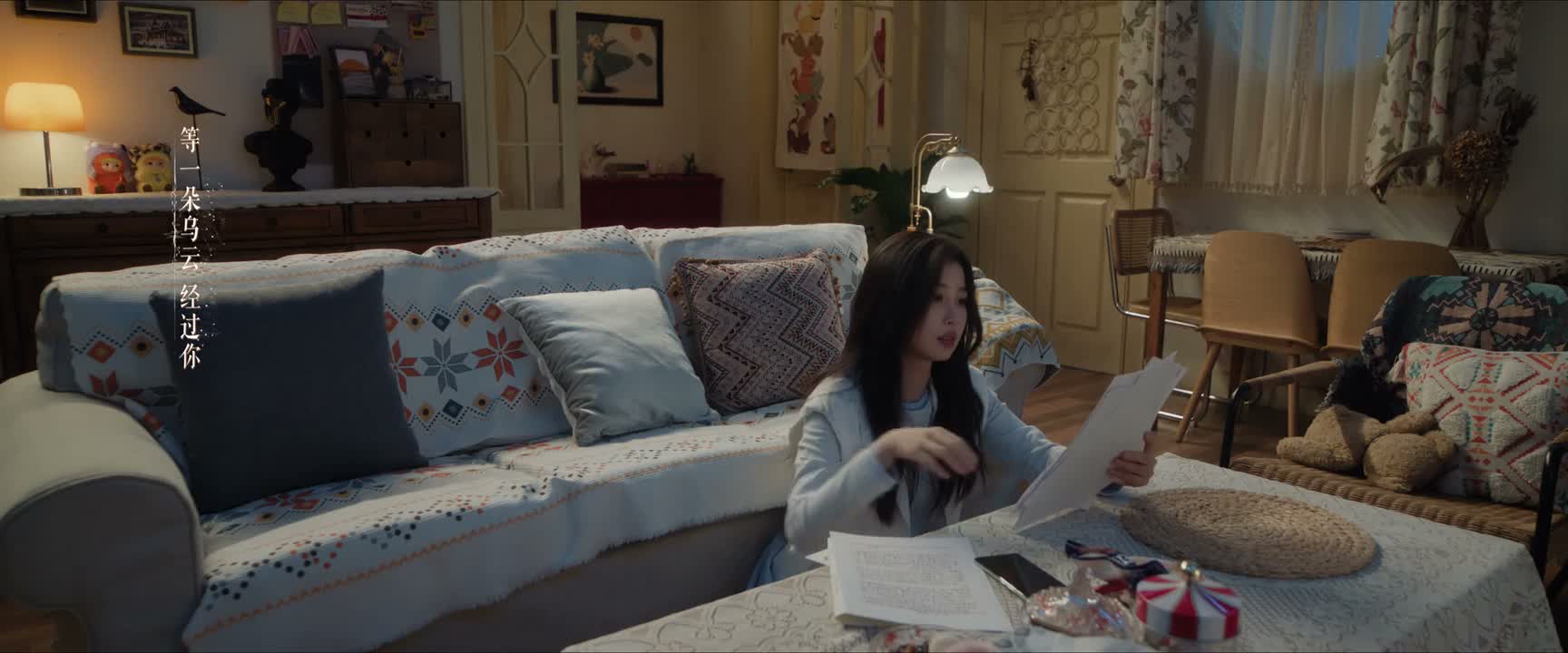
“♪ Waiting for a dark cloud to pass by you ♪ Ms. Lin. Actually, I've spent a long time [Victory is never achieved by chance. Next time] thinking about this question.”

“Ms. Lin and I came today to ask you about something else.”