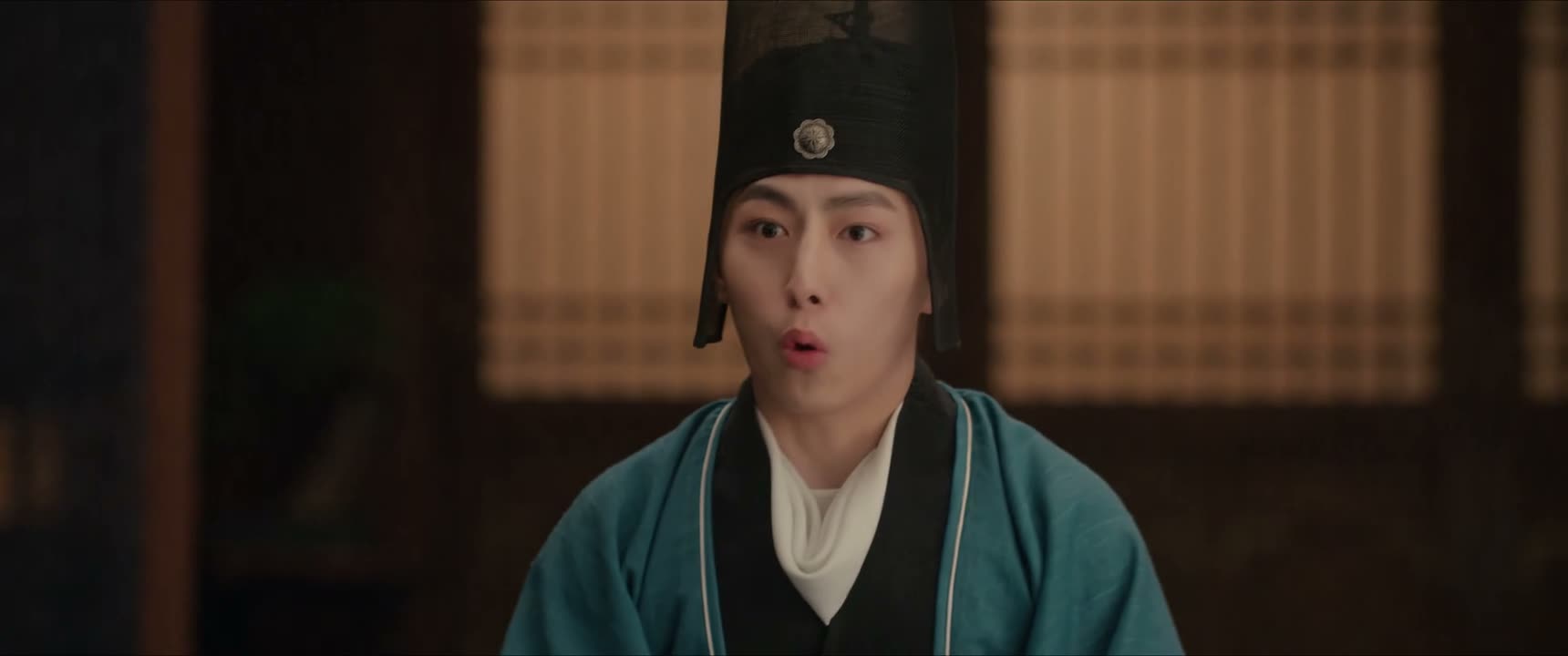
《The Imperial Coroner》 S2·E23 (10:36)
HSK 6
dà táng huáng dì què yáng yán
大唐皇帝却扬言
“Now the Great Tang emperor is claiming”
《The Imperial Coroner》
S2·E23
TIMECODE: 10:36
·
1080P MASTER AUDIO
THE DIALOGUE REEL
[-1] PREVIOUS TURN
rú jīn pāi pāi pì gǔ zǒu rén le
如今拍拍屁股走人了
“and he's just walked away scot-free.”
dà táng huáng dì què yáng yán
CURRENT FOCUS
大唐皇帝却扬言
“Now the Great Tang emperor is claiming”
[+1] FOLLOW-UP TURN
yào wǒ gē lái tì tā dǐng zuì
“my brother should take the blame for him.”
Subtitles synced to millisecond timecode
Browse Show Clips →
Scene:
Historical & Court
Function:
ACCUSING
Tone:
RESENTFUL
Emotion:
INDIGNATION
WHAT THEY REALLY MEAN (PRAGMATIC SUBTEXT)
“The emperor behaves shamelessly by blaming my brother after washing his own hands of the mess.”
💡 Cultural Insight: Imperial Hegemony and Scapegoating
In imperial Chinese political narratives, supreme rulers often preserved state prestige or dynasty legitimacy by sacrificing subordinate figures or regional allies as scapegoats.
INTENT TAGS:
#accusing
#condemning
#grievance
#exposing_injustice
🧩
2 CHUNKS · 0 PARTICLES
LEARNING CHUNKS & PARTICLES
大唐皇帝
SPOKEN CHUNK
Emperor of the Great Tang
A formal historical title used when referring to the sovereign ruler of the Tang dynasty.
扬言
SPOKEN CHUNK
to publicly declare; to openly threaten
Use this verb to describe someone publicly making aggressive, threatening, or questionable claims.
🏮
0 EXPR · 3 GRAMMAR
VOCABULARY & EXPRESSIONS
CROSS-CINEMA CORPUS BOARD · PARALLEL SCENES
EXPLORE BY SEMANTIC SIMILARITY
Parallel Spoken Cinema Scenes (语义近邻切片)

《The Imperial Coroner》 S2·E23 (10:36) · Authentic Cinema Dialogue Corpus