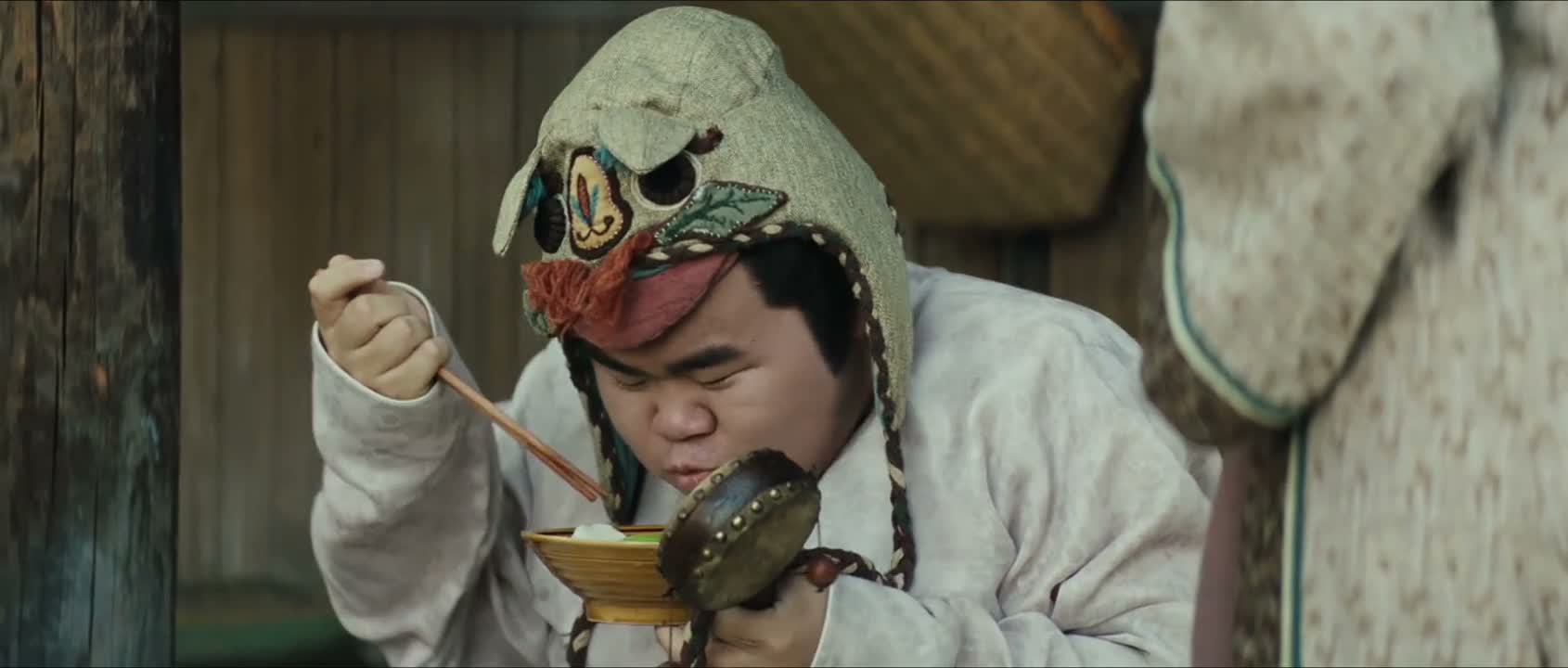
老爷去时小的没见着
“I didn't see Master when he left,”
THE DIALOGUE REEL
挺好的
“He seemed fine.”
老爷去时小的没见着
“I didn't see Master when he left,”
他跟韩长史吵架时
“but I happened to be making”
“Don't blame me for missing that part; I wasn't there.”
Lower-class servants historically lowered their social status by addressing themselves as humble ones to demonstrate deference to superiors.
LEARNING CHUNKS & PARTICLES
this humble one; I (humble self-reference by servants)
Used almost exclusively in period dramas by servants, attendants, or subordinates addressing their masters.
did not manage to see; failed to spot
A common colloquial complement structure indicating that the speaker did not achieve the result of seeing.
VOCABULARY & EXPRESSIONS
Parallel Spoken Cinema Scenes (语义近邻切片)

“Though my husband treats me indifferently,”
“His father died young.”

“Grandpa has seen it all.”

“Master probably didn't want to make a scene,”

“My husband died a tragic death,”

“And Master is the way he is.”