你明天能穿连衣裙上班吗
“Can you wear a dress to work tomorrow?”
THE DIALOGUE REEL
你想什么呀
“What's it?”
你明天 能 穿连衣裙上班 吗
“Can you wear a dress to work tomorrow?”
我想看
“I want to see.”
“I find you beautiful in dresses and really want to admire you tomorrow.”
In Chinese romantic interactions, expressing aesthetic appreciation often takes the form of gentle requests about clothing rather than direct physical compliments.
LEARNING CHUNKS & PARTICLES
one-piece dress
The standard Chinese term for a one-piece women's dress.
to wear ... to work
A common structure specifying what outfit one wears to their workplace.
Turns the statement into a polite yes-or-no question.
VOCABULARY & EXPRESSIONS
Parallel Spoken Cinema Scenes (语义近邻切片)
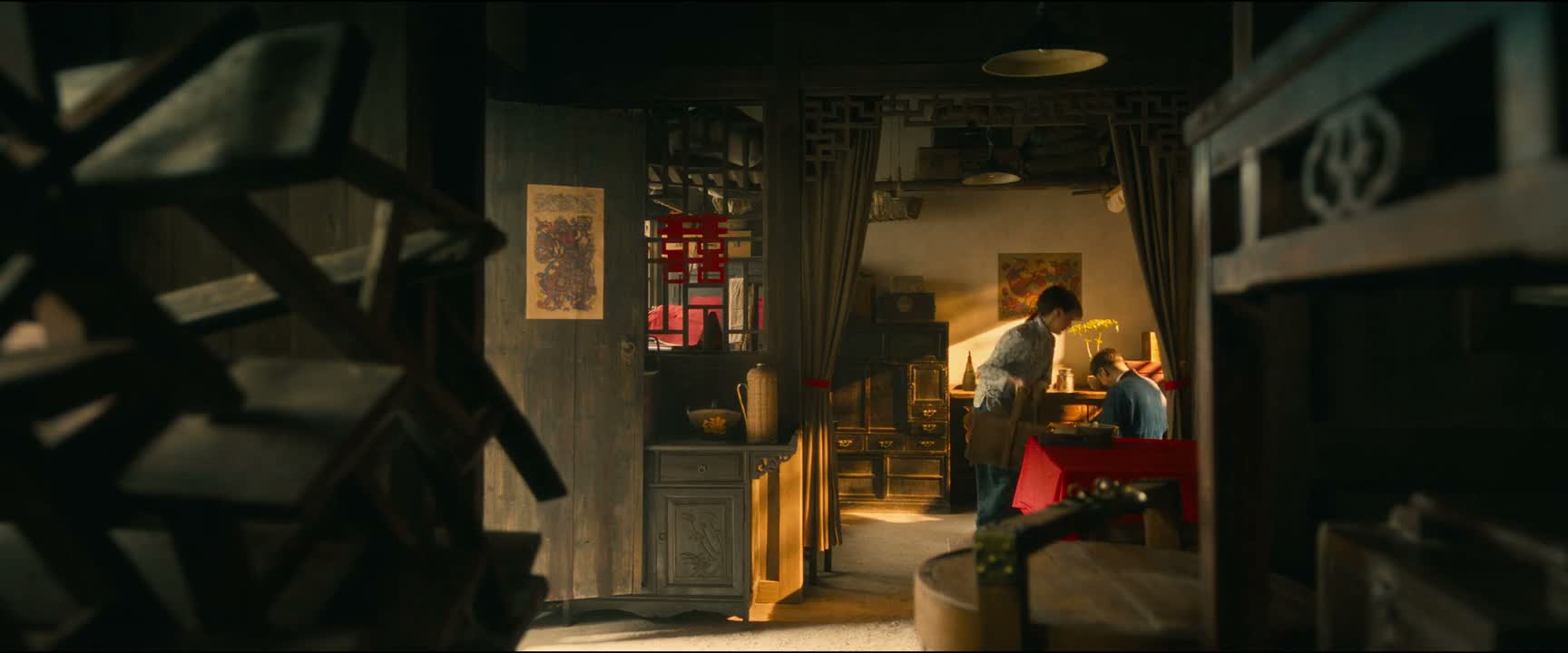
“What are you wearing tomorrow? Do you want to borrow”

“It doesn't really go with what I'm wearing today.”

“It doesn't really go with what I'm wearing today.”

“Can I borrow it?”

“You need to work tomorrow.”

“How does this look on me?”