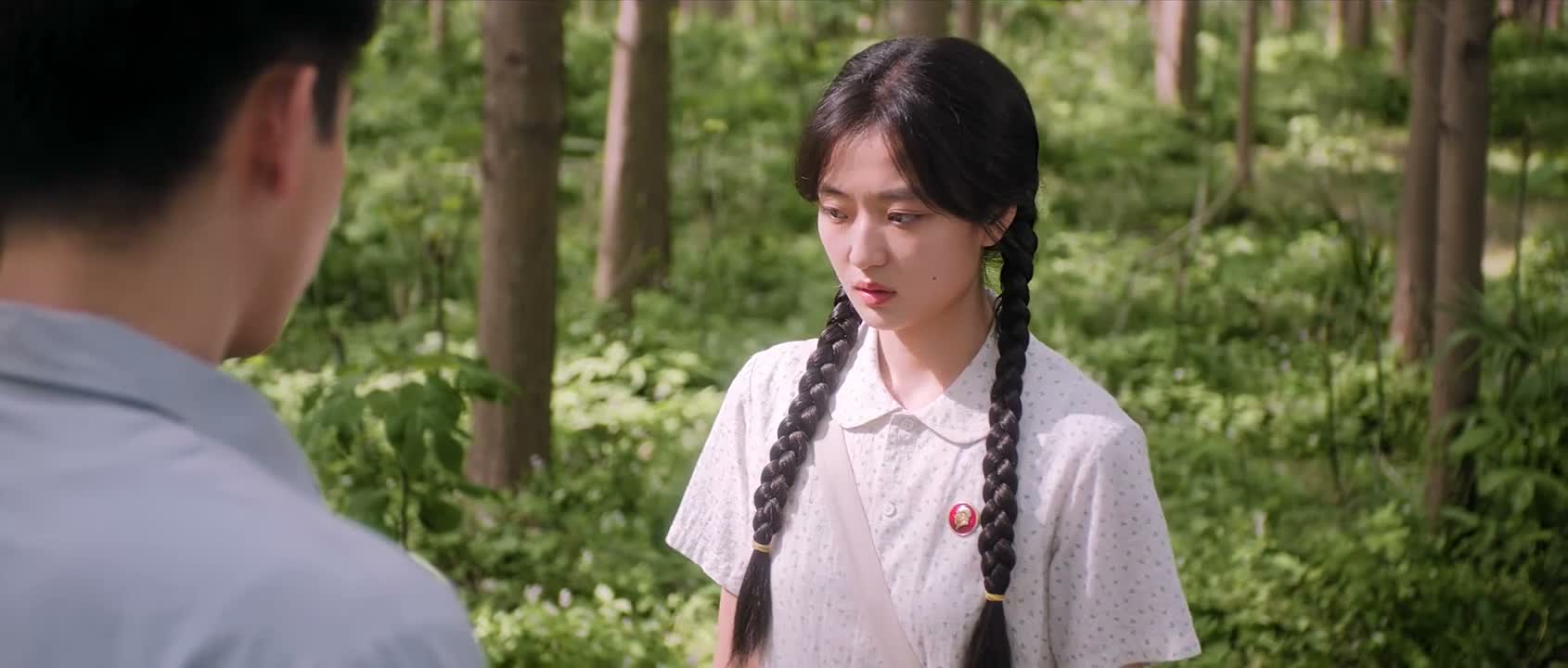
《Love Story in the 1970s》 S1·E12 (26:49)
HSK 5
shuí ràng zhè hūn shì wǒ yào jié de ne
谁让这婚是我要结的呢
“I'm the one who insisted on this marriage.”
《Love Story in the 1970s》
S1·E12
TIMECODE: 26:49
·
1080P MASTER AUDIO
THE DIALOGUE REEL
[-1] PREVIOUS TURN
wǒ rèn le
我认了
“Fine, I accept it.”
shuí ràng zhè hūn shì wǒ yào jié de ne
CURRENT FOCUS
谁让 这婚 是我要结的 呢
“I'm the one who insisted on this marriage.”
[+1] FOLLOW-UP TURN
shuí ràng zhè fáng zi wǒ zhàn le yí bàn ne
“I'm the one who took half this house.”
Subtitles synced to millisecond timecode
Browse Show Clips →
Scene:
Family & Home
Function:
SELF BLAME RESIGNATION
Tone:
SELF-DEPRECATING
Emotion:
RESIGNATION
WHAT THEY REALLY MEAN (PRAGMATIC SUBTEXT)
“I brought this misery on myself, so I just have to swallow it.”
💡 Cultural Insight: Accepting Fate in Marriage (认命)
In traditional Chinese family dynamics, enduring an unhappy marriage is often rationalized through self-blame or fate, especially when one made the original decision independently.
INTENT TAGS:
#resignation
#self_blame
#acceptance
#complaining
🧩
1 CHUNKS · 1 PARTICLES
LEARNING CHUNKS & PARTICLES
谁让……呢
SPOKEN CHUNK
who told [someone] to... / that's what happens when...
A common rhetorical construction used to express helpless resignation or to point out that current consequences stem from one's own choices.
Modal Particle「呢」 (ne)
CHANGE OF STATE
Softens the rhetorical question while underscoring a sense of lingering helplessness and self-resignation.
🏮
2 EXPR · 1 GRAMMAR
VOCABULARY & EXPRESSIONS
COLLOQUIAL EXPRESSIONS:
GRAMMAR BLUEPRINTS:
CROSS-CINEMA CORPUS BOARD · PARALLEL SCENES
EXPLORE BY SEMANTIC SIMILARITY
Parallel Spoken Cinema Scenes (语义近邻切片)
《Love Story in the 1970s》 S1·E12 (26:49) · Authentic Cinema Dialogue Corpus