谁让这房子我占了一半呢
“I'm the one who took half this house.”
THE DIALOGUE REEL
“I'm the one who insisted on this marriage.”
谁让 这房子我 占了一半 呢
“I'm the one who took half this house.”
都是我
“It's all me.”
“Since this house is half mine, I share the responsibility; don't take all the blame on yourself.”
In contemporary Chinese domestic discussions, owning a share of the home represents both financial security and an indisputable obligation to share marital hardships.
LEARNING CHUNKS & PARTICLES
who asked ... to ... / that's what happens when ...
A ubiquitous colloquial structure expressing helpless acceptance, resignation, or ironic self-justification.
to account for or occupy half
Commonly used when referring to proportions, property shares, or division of responsibilities.
Emphasizes the rhetorical question and marks a sense of resignation or natural consequence.
VOCABULARY & EXPRESSIONS
Parallel Spoken Cinema Scenes (语义近邻切片)

“just to get a unit. If I told them”
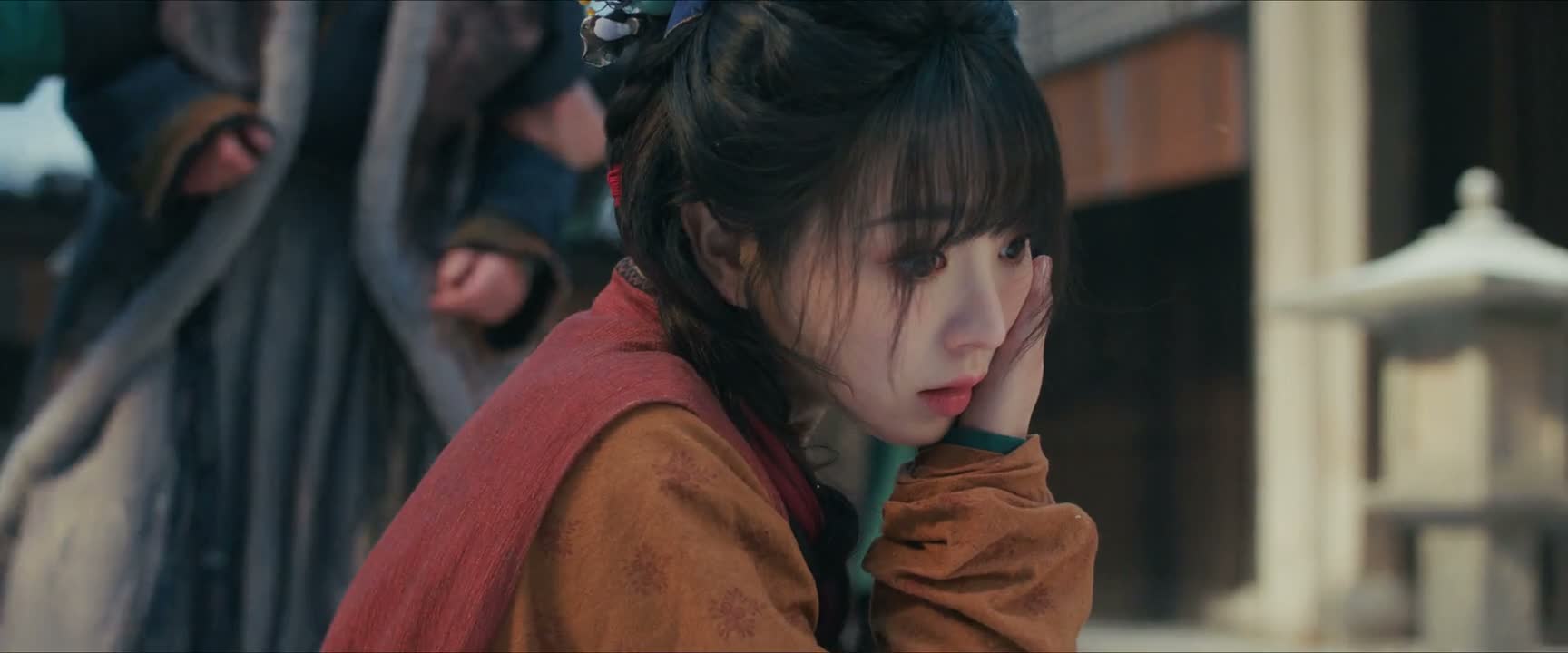
“To steal this house,”

“Mr. Mao voluntarily let us take his apartment. Really?”

“We'll be fine once we receive the unit. Understood.”

“If we get married, I'll own half of it.”

“I paid for half a year's rent of this apartment!”