MC
MandarinClips Cinema Corpus
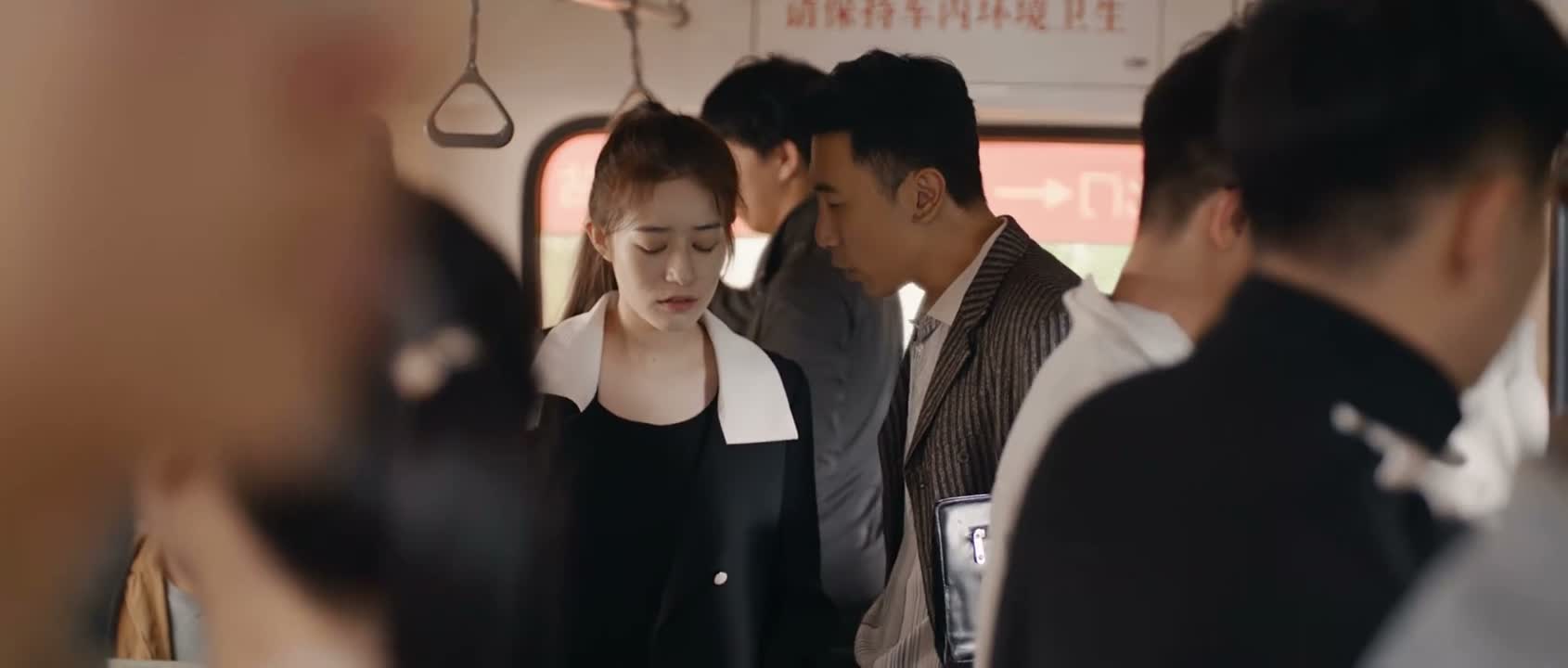
《Love Story in the 1970s》 S1·E12 (15:39) HSK 3
zán zhè bù xīn lín jū ma qù gēn rén dǎ gè zhāo hū

咱这不新邻居吗 去跟人打个招呼

“I'd go greet the new neighbors.”

《Love Story in the 1970s》 S1·E12
TIMECODE: 15:39 · 1080P MASTER AUDIO

THE DIALOGUE REEL

1+1+1 SPOKEN CONTINUITY
[-1] PREVIOUS TURN fèi ní hé fāng mù yáng gāng bān guò lái de shí hòu wǒ xiǎng zhe shuō

费霓和方穆扬刚搬过来的时候 我想着说

“When Fei Ni and Fang Muyang first moved in, I thought”

zán zhè bù xīn lín jū ma qù gēn rén dǎ gè zhāo hū CURRENT FOCUS

咱 这不 新邻居 吗 去跟人 打个招呼

“I'd go greet the new neighbors.”

[+1] FOLLOW-UP TURN nǐ cāi zěn me zhe

你猜怎么着

“Guess what?”

Subtitles synced to millisecond timecode Browse Show Clips →
Scene: Daily Life
Function: NARRATING INTENT
Tone: CASUAL
Emotion: FRIENDLINESS
WHAT THEY REALLY MEAN (PRAGMATIC SUBTEXT)

Direct spoken expression in this communicative setting.

💡 Cultural Insight: Neighborhood Relations (Linli Guanxi)

In traditional Chinese community life, greeting new neighbors proactively reflects hospitality and sets the foundation for mutual assistance.

INTENT TAGS: #hospitality #greeting #neighborliness #storytelling
🧩

LEARNING CHUNKS & PARTICLES

2 CHUNKS · 1 PARTICLES
打个招呼 SPOKEN CHUNK

to say hello; to greet someone

A highly common colloquial phrase used when informally introducing oneself or touching base with someone.

这不…吗 SPOKEN CHUNK

isn't it the case that...

Used rhetorically to remind the listener of an obvious, shared premise.

Modal Particle「吗」 (ma) CHANGE OF STATE

Forms a rhetorical question pointing out an undeniable common ground or justification.
🏮

VOCABULARY & EXPRESSIONS

3 EXPR · 1 GRAMMAR
CROSS-CINEMA CORPUS BOARD · PARALLEL SCENES

Parallel Spoken Cinema Scenes (语义近邻切片)

EXPLORE BY SEMANTIC SIMILARITY
《Love Story in the 1970s》 S1·E12 (15:39) · Authentic Cinema Dialogue Corpus