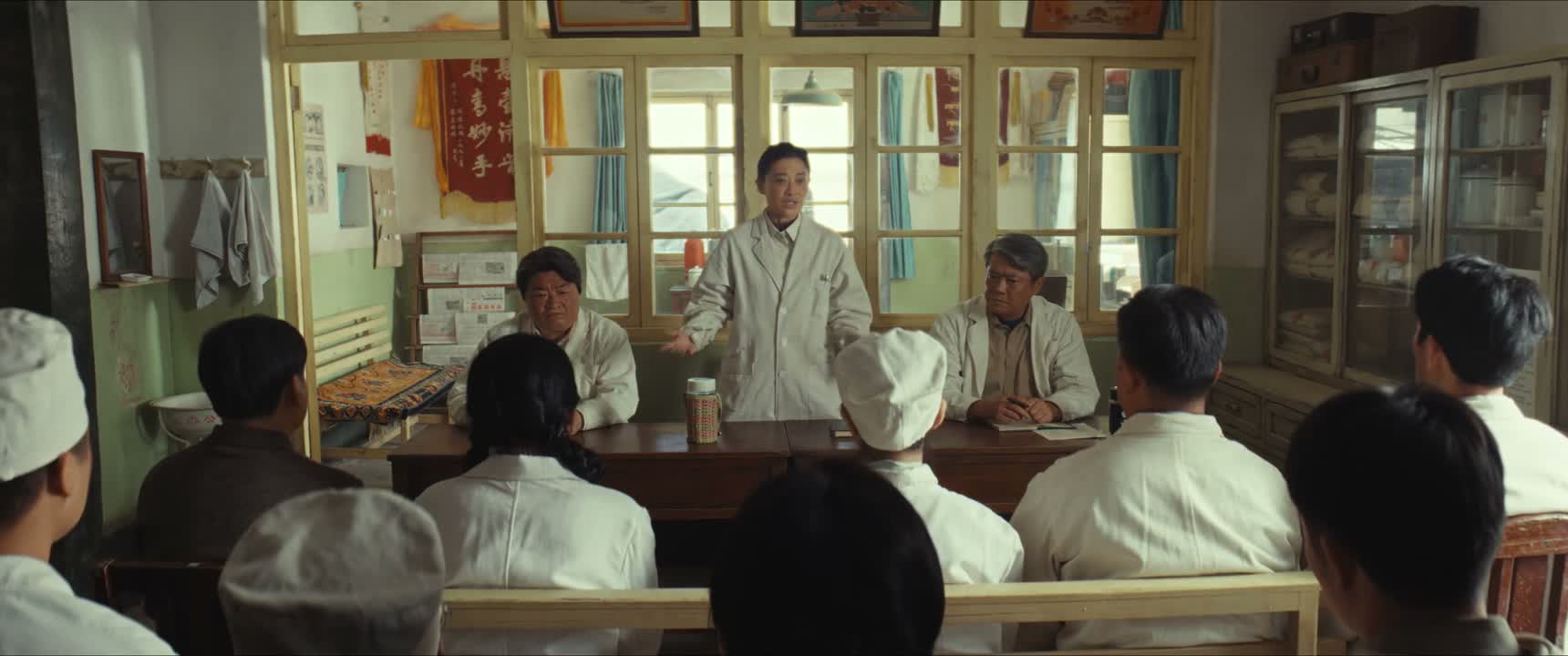
《Go Ahead》 S1·E8 (17:34)
HSK 4
zhǐ néng tí chū wèn tí méi yǒu bàn fǎ jiě jué wèn tí
只能提出问题 没有办法解决问题
“You can only put forward problems, but you can't solve them.”
《Go Ahead》
S1·E8
TIMECODE: 17:34
·
1080P MASTER AUDIO
THE DIALOGUE REEL
zhǐ néng tí chū wèn tí méi yǒu bàn fǎ jiě jué wèn tí
CURRENT FOCUS
只能 提出问题 没有办法 解决问题
“You can only put forward problems, but you can't solve them.”
[+1] FOLLOW-UP TURN
suàn wǒ qiú nǐ le xíng ma
算我求你了行吗
“I'm begging you. OK?”
Subtitles synced to millisecond timecode
Browse Show Clips →
Scene:
Family & Home
Function:
CRITICIZING OR COMPLAINING
Tone:
CRITICAL AND EXASPERATED
Emotion:
FRUSTRATION
WHAT THEY REALLY MEAN (PRAGMATIC SUBTEXT)
“Stop just pointing out the obvious problems if you aren't going to help fix them.”
💡 Cultural Insight: Constructive Pragmatism in Domestic Arguments
In Chinese familial disagreements, accused parties often counter-criticize by distinguishing between empty talk and practical resolution capability.
INTENT TAGS:
#criticism
#complaint
#frustration
#conflict
🧩
3 CHUNKS · 0 PARTICLES
LEARNING CHUNKS & PARTICLES
提出问题
SPOKEN CHUNK
raise a question / point out a problem
Used in both formal discussions and domestic arguments to describe identifying an issue.
没有办法
SPOKEN CHUNK
to have no way / unable to
A common phrase signifying a lack of solutions, means, or feasibility.
解决问题
SPOKEN CHUNK
solve a problem
A standard collocation used to describe resolving a dilemma or difficulty.
🏮
3 EXPR · 0 GRAMMAR
VOCABULARY & EXPRESSIONS
COLLOQUIAL EXPRESSIONS:
CROSS-CINEMA CORPUS BOARD · PARALLEL SCENES
EXPLORE BY SEMANTIC SIMILARITY
Parallel Spoken Cinema Scenes (语义近邻切片)
《Go Ahead》 S1·E8 (17:34) · Authentic Cinema Dialogue Corpus