自古民不与官斗 这个道理你们不知道吗
“Commoners never fight officials. Don't you understand?”
THE DIALOGUE REEL
什么叫泥鳅啊
“I'm slippery?”
自古 民不与官斗 这个 道理你们 不知道吗
“Commoners never fight officials. Don't you understand?”
“I'm thinking of the development of Yuehai.”
“Know your place; going against authority will only ruin you.”
Reflects the traditional Chinese hierarchical mindset where fighting against official power is historically viewed as reckless and inherently doomed.
LEARNING CHUNKS & PARTICLES
commoners should not fight against officials
A classic Chinese proverb used to advise pragmatism or discourage futile rebellion against institutional authority.
this principle / this basic truth
Commonly used in rhetorical questions to emphasize common sense that someone is foolishly ignoring.
Forms a rhetorical question that expresses disbelief and emphasizes the obviousness of the statement.
VOCABULARY & EXPRESSIONS
Parallel Spoken Cinema Scenes (语义近邻切片)

“Since ancient times, officials and bandits have their fates intertwined.”
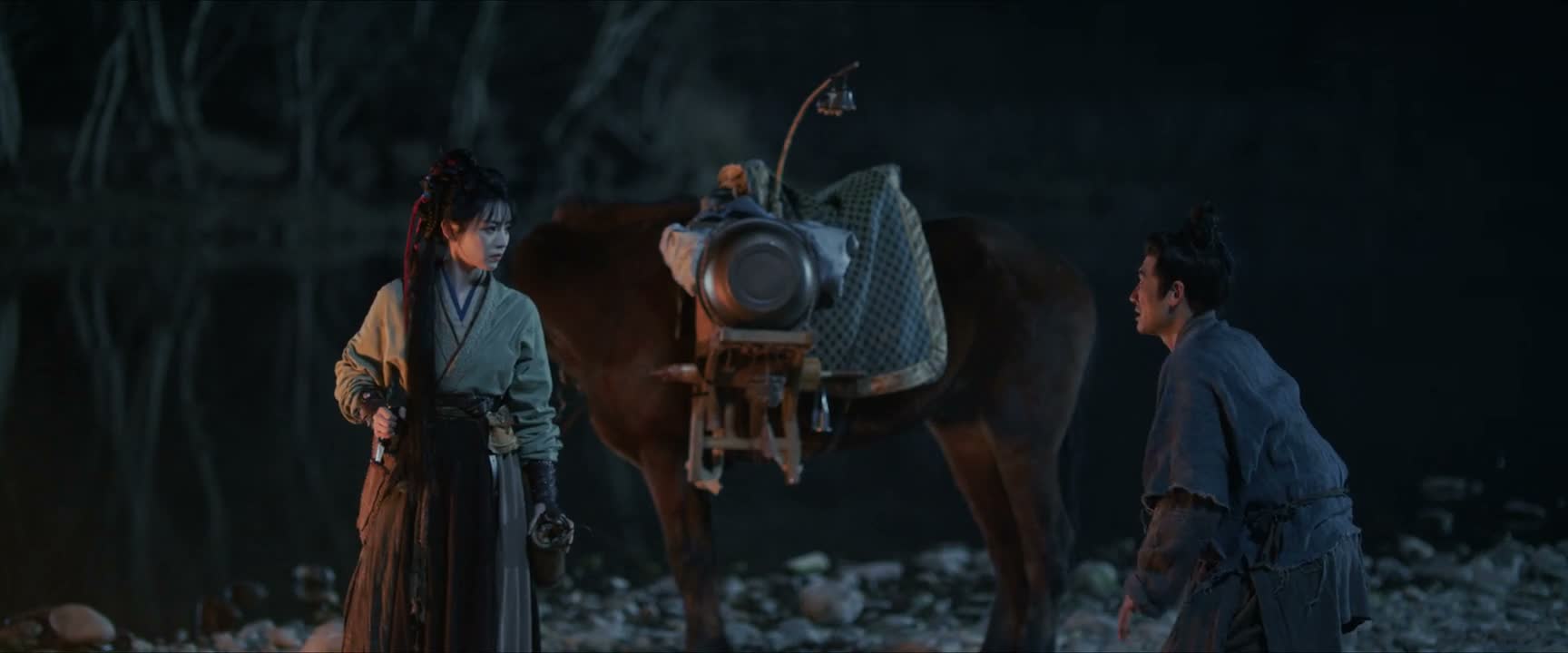
“The officials are heartless.”

“Let the officials decide what to do.”

“You are no different from those incompetent officials!”

“To the victor belongs the spoils— it's a rule since the ancient times.”

“Since ancient times, the capable should be in charge and the mediocre beneath them.”