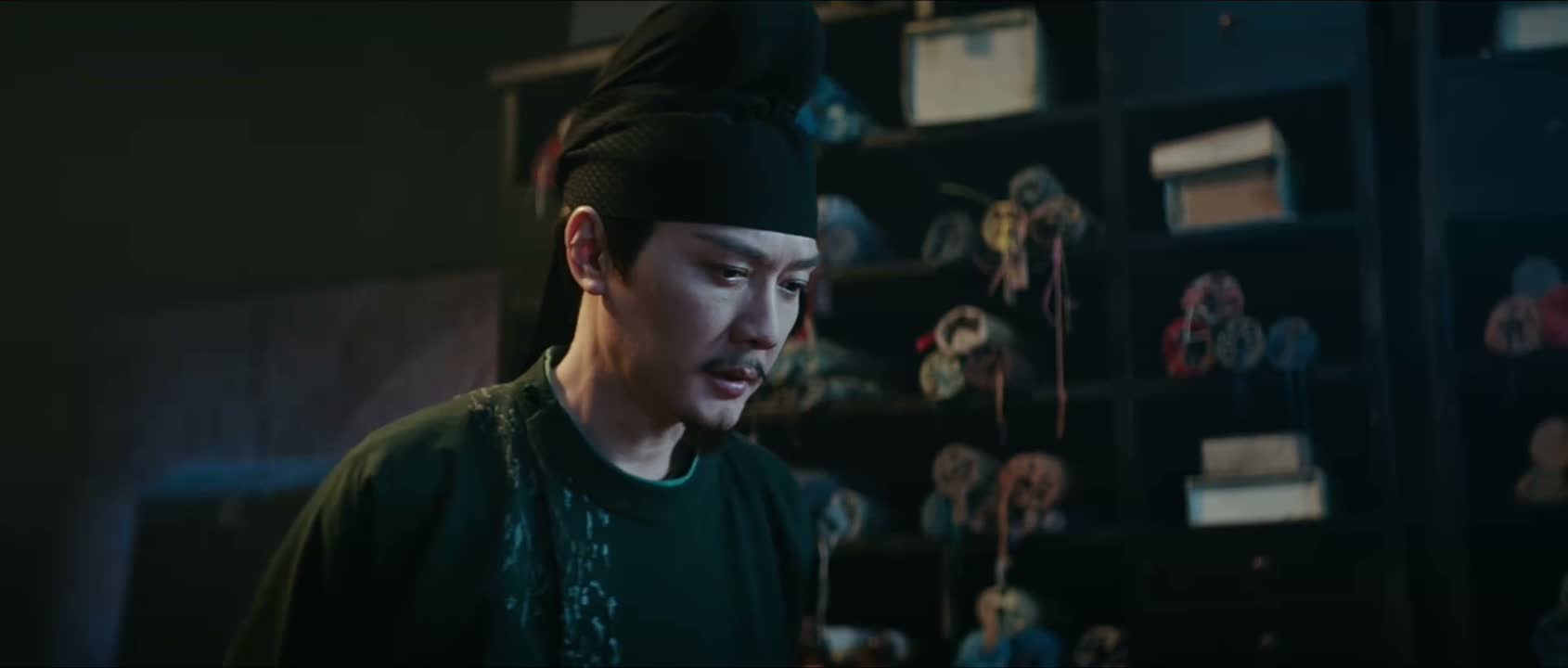
《Love Story in the 1970s》 S1·E13 (26:26)
HSK 5
nǐ zhè yī fú shàng nòng dé shén me ya nà me zàng
你这衣服上弄得什么呀那么脏
“What's all over your clothes? They're filthy.”
《Love Story in the 1970s》
S1·E13
TIMECODE: 26:26
·
1080P MASTER AUDIO
THE DIALOGUE REEL
[-1] PREVIOUS TURN
zěn me nà me wǎn huí lái
怎么那么晚回来
“Why so late?”
nǐ zhè yī fú shàng nòng dé shén me ya nà me zàng
CURRENT FOCUS
你这衣服上 弄得什么 呀 那么脏
“What's all over your clothes? They're filthy.”
[+1] FOLLOW-UP TURN
wǒ zhè tàn bǐ cèng de
我这炭笔蹭的
“Charcoal pencil smudges.”
Subtitles synced to millisecond timecode
Browse Show Clips →
Scene:
Family & Home
Function:
EXPRESSING CRITICISM
Tone:
SCOLDING
Emotion:
DISAPPROVAL
WHAT THEY REALLY MEAN (PRAGMATIC SUBTEXT)
“Look at the mess you made of yourself. How could you be so careless?”
💡 Cultural Insight: Frugality in Domestic Care
In working-class Chinese households, keeping clothes clean was vital due to the labor required for hand washing and the scarcity of fabric.
INTENT TAGS:
#scolding
#disapproval
#criticism
#domestic_concern
🧩
1 CHUNKS · 1 PARTICLES
LEARNING CHUNKS & PARTICLES
弄得什么呀
SPOKEN CHUNK
what on earth did you get all over...
Commonly used in domestic contexts to scold someone who has gotten food, paint, or dirt on themselves or furniture.
Modal Particle「呀」 (ya)
CHANGE OF STATE
Softens the interrogative question while expressing exclamation and mild dismay.
🏮
2 EXPR · 0 GRAMMAR
VOCABULARY & EXPRESSIONS
COLLOQUIAL EXPRESSIONS:
CROSS-CINEMA CORPUS BOARD · PARALLEL SCENES
EXPLORE BY SEMANTIC SIMILARITY
Parallel Spoken Cinema Scenes (语义近邻切片)

《Love Story in the 1970s》 S1·E13 (26:26) · Authentic Cinema Dialogue Corpus