白及 你怎么能这么说话呢
“Bai Ji, how can you talk like that?”
THE DIALOGUE REEL
这个家你在乎谁呀
“Who do you care about in this family?”
白及 你 怎么能这么说话 呢
“Bai Ji, how can you talk like that?”
我真是不理解 你为什么这么害怕 身正不怕影子斜
“I really don't understand. Why are you so afraid? We have nothing to hide.”
Direct spoken expression in this communicative setting.
Even within intimate family relationships, maintaining proper boundaries in speech is emphasized to avoid deep emotional fractures.
LEARNING CHUNKS & PARTICLES
how could; how can
Used to express moral disapproval or disbelief at someone's inappropriate action or attitude.
speak in this way; talk like this
Frequently used to call out rude, hurtful, or out-of-line speech.
Softens the rhetorical reprimand while emphasizing the speaker's lingering perplexity and disappointment.
VOCABULARY & EXPRESSIONS
Parallel Spoken Cinema Scenes (语义近邻切片)
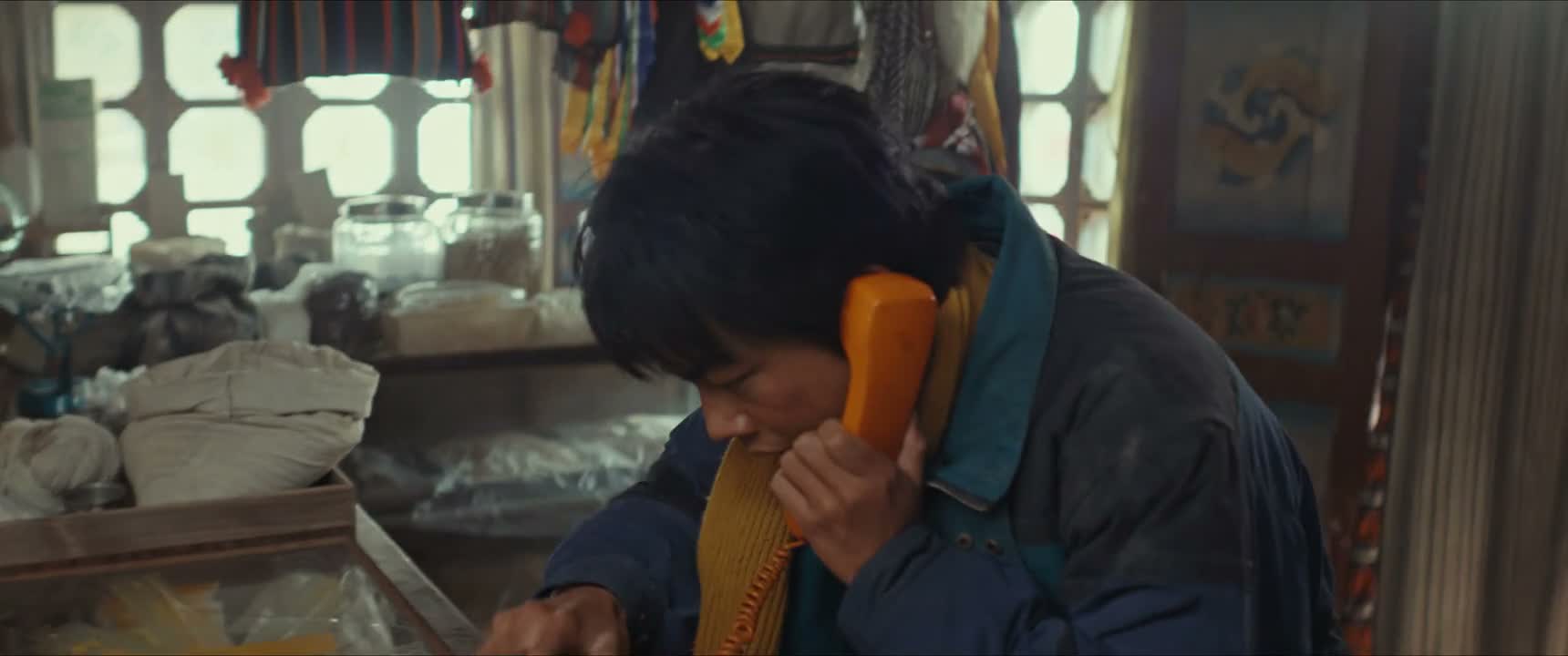
“Bai Ji? Where have you been running wild this time?”

“Bai Ji, what do you mean? What do I mean? I deserve it”
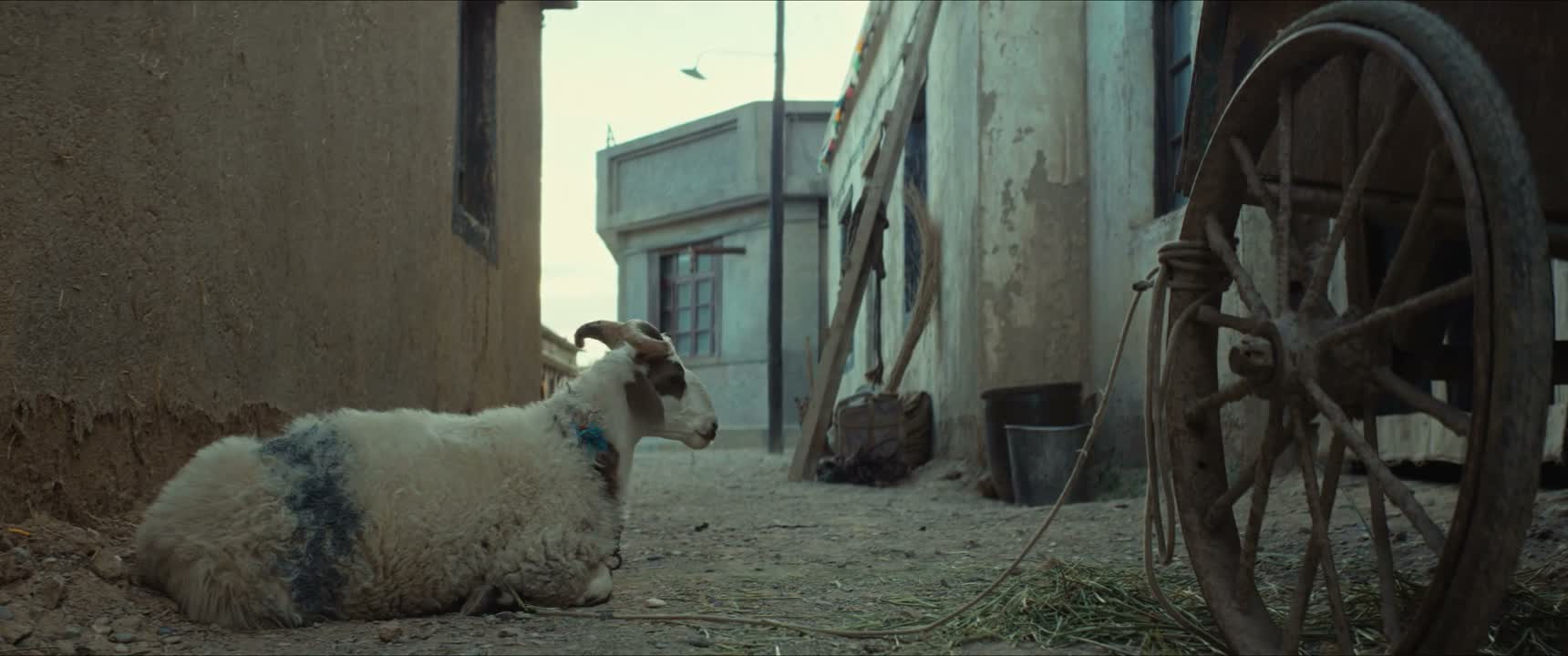
“That brat Bai Ji is way too reckless!”
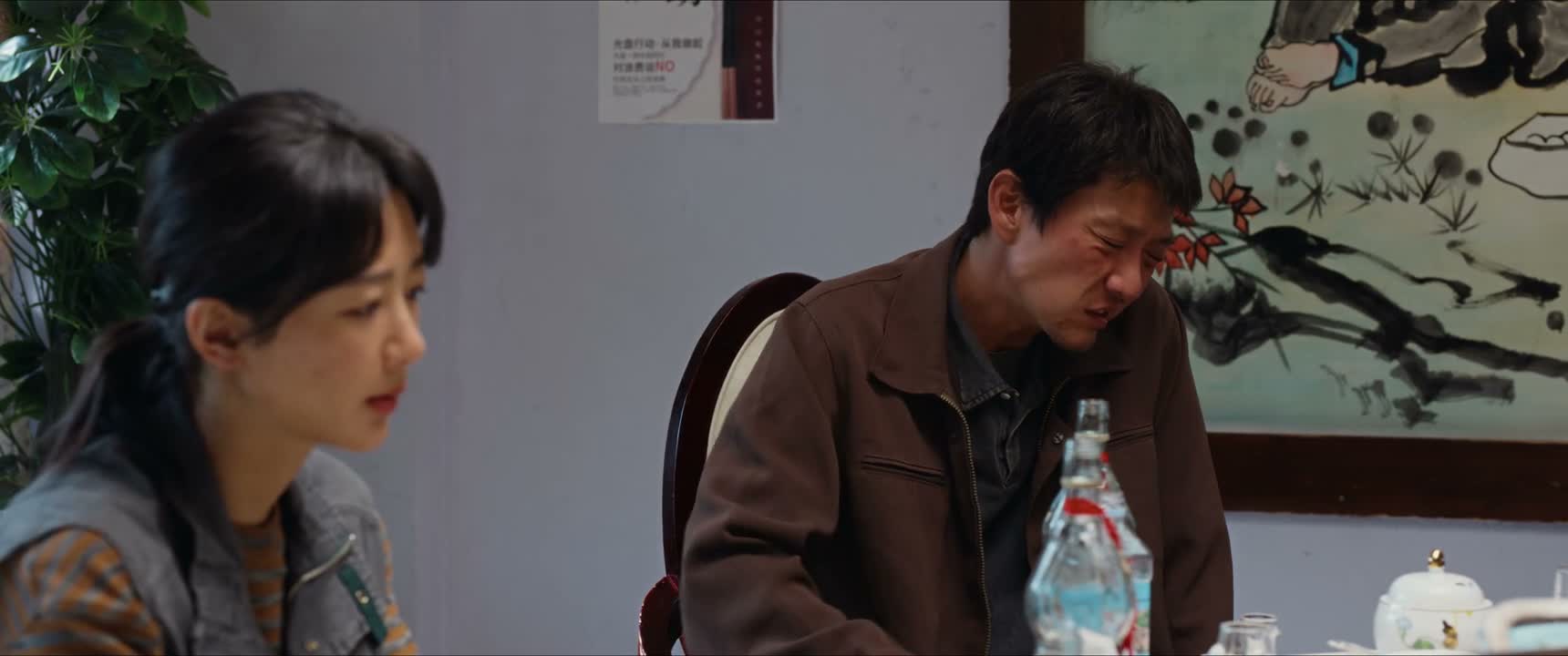
“Bai Ji said this is aged baijiu.”

“Bai Ji! Bai Ji! If you dare treat Shao badly... What?”

“Bai Ji actually wants to come back too.”