白及你什么意思啊 我什么意思 就活该
“Bai Ji, what do you mean? What do I mean? I deserve it”
THE DIALOGUE REEL
你说什么呢
“What are you saying?”
白及 你什么意思啊 我什么意思 就活该
“Bai Ji, what do you mean? What do I mean? I deserve it”
“when he turned against me! I deserve to go bankrupt!”
“Stop acting like I'm the bad guy when I'm the one suffering all the consequences!”
During high-stress familial disputes, speakers often resort to extreme self-pity and exaggerated expressions of ruin to win moral arguments.
LEARNING CHUNKS & PARTICLES
what do you mean
When delivered with sharp intonation, it serves as an aggressive challenge rather than an inquiry.
to serve someone right; to deserve it
Commonly used in spoken Chinese to express that an unfortunate outcome was deserved, often used sarcastically against oneself here.
Intensifies the accusatory tone and conveys irritation in a direct question.
VOCABULARY & EXPRESSIONS
Parallel Spoken Cinema Scenes (语义近邻切片)

“Bai Ji, how can you talk like that?”
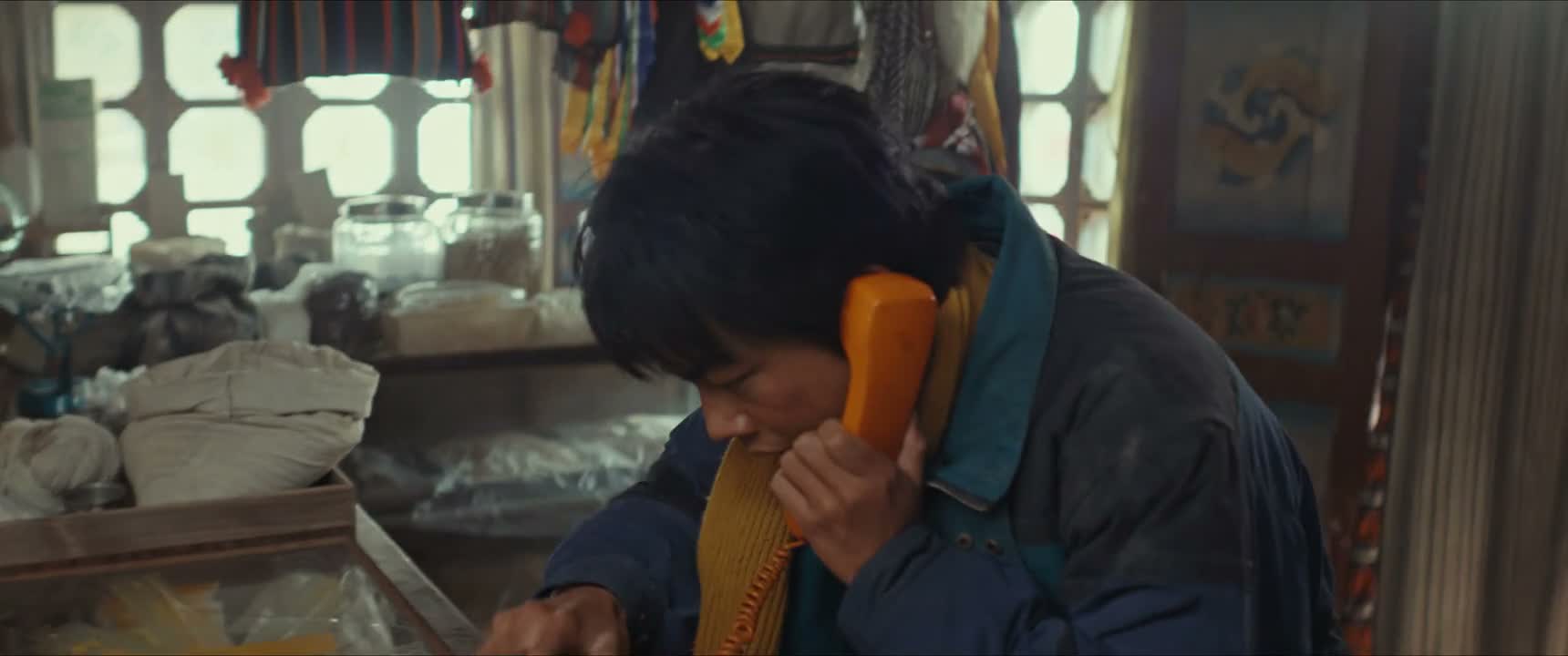
“Bai Ji? Where have you been running wild this time?”
“That brat Bai Ji is way too reckless!”
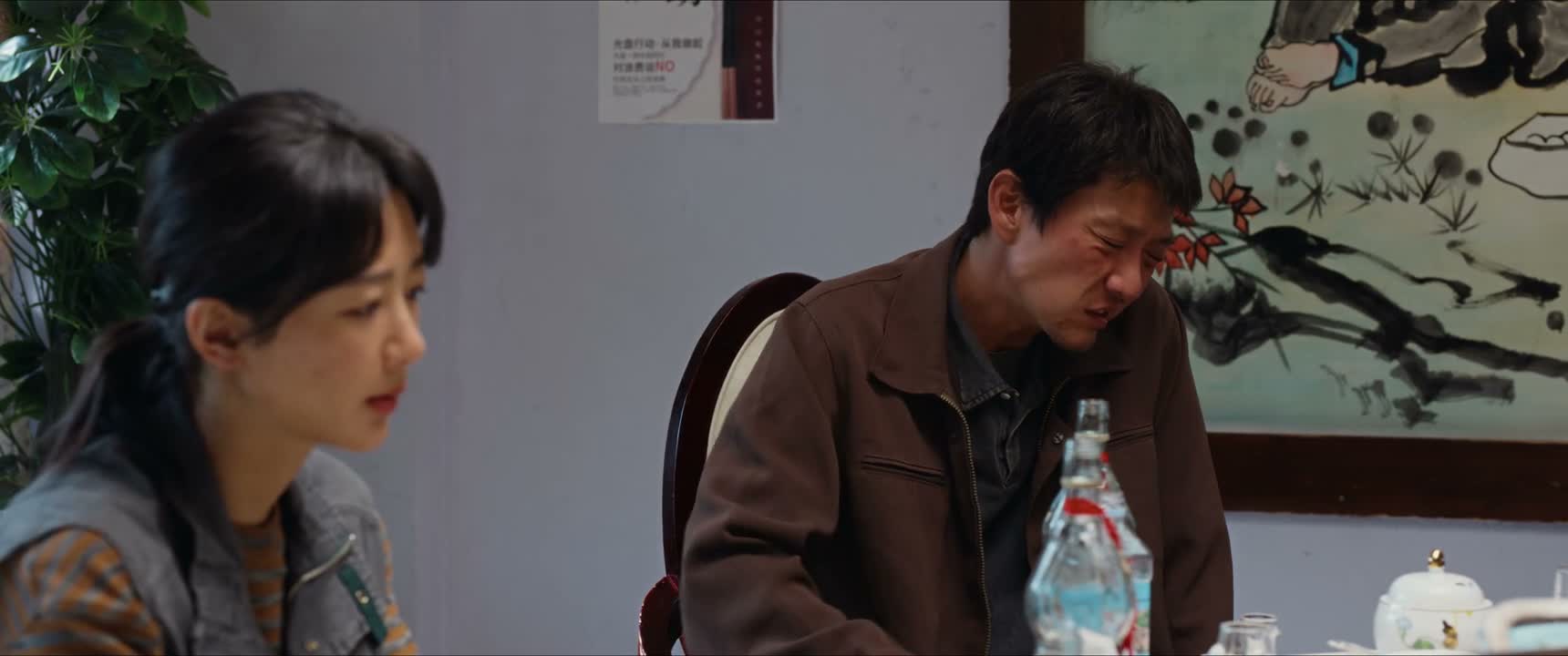
“Bai Ji said this is aged baijiu.”

“Bai Ji! Bai Ji! If you dare treat Shao badly... What?”

“Didn't Bai Ji just come out of the Uninhabited Zone? How did he get kidnapped by traffickers?”