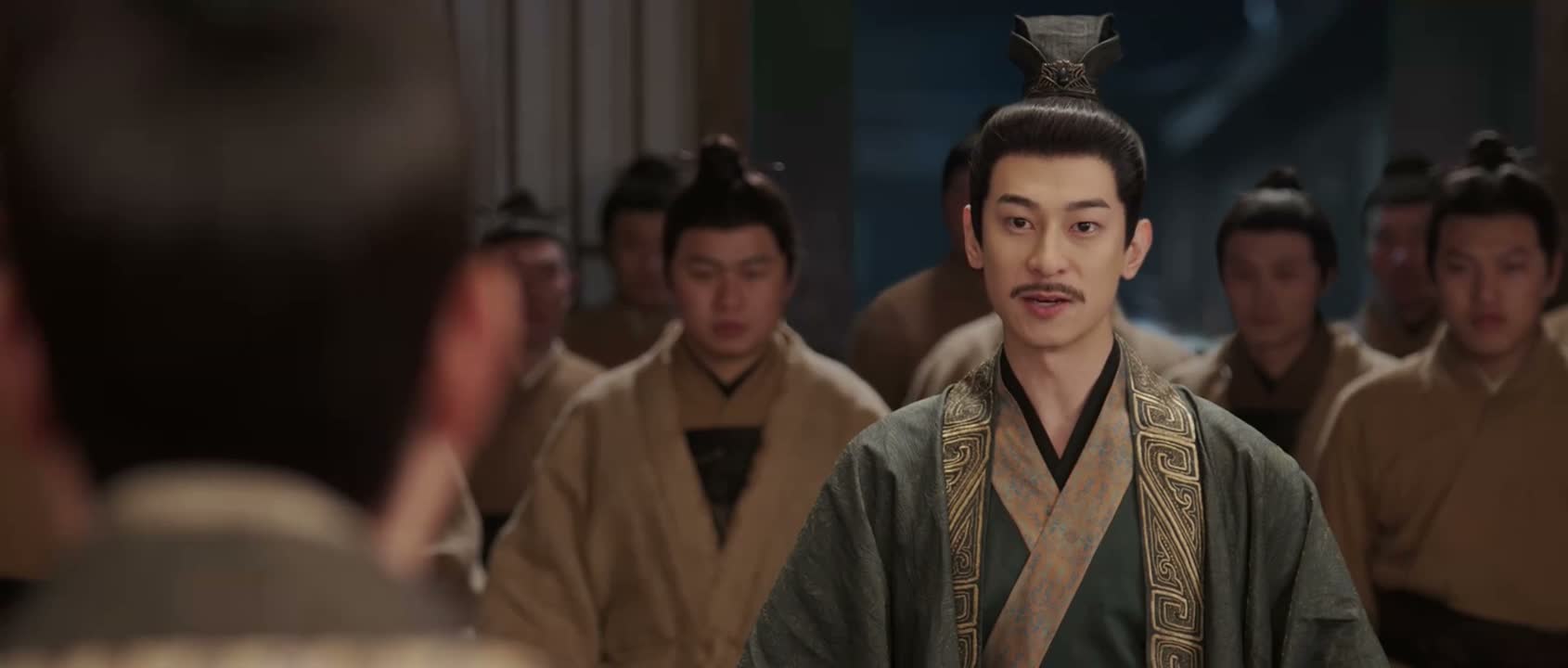
《The Imperial Coroner》 S2·E27 (00:48)
HSK 7
wǒ de dāo zhǐ yàn shī tǐ
我的刀只验尸体
“(In the past, I only used my scalpel to perform autopsies.)”
《The Imperial Coroner》
S2·E27
TIMECODE: 00:48
·
1080P MASTER AUDIO
THE DIALOGUE REEL
[-1] PREVIOUS TURN
cóng qián
从前
“(In the past, I only used my scalpel to perform autopsies.)”
wǒ de dāo zhǐ yàn shī tǐ
CURRENT FOCUS
我的刀只验尸体
“(In the past, I only used my scalpel to perform autopsies.)”
[+1] FOLLOW-UP TURN
jīn rì
今日
“(But today,)”
Subtitles synced to millisecond timecode
Browse Show Clips →
Scene:
Historical & Court
Function:
STATING BOUNDARIES
Tone:
MATTER-OF-FACT
Emotion:
INDIFFERENCE
WHAT THEY REALLY MEAN (PRAGMATIC SUBTEXT)
“I deal with the dead, not the living.”
💡 Cultural Insight: Role of the Traditional Coroner (仵作)
In traditional China, coroners occupied an outcast yet indispensable role, handling corpses under strict legal procedures, which sharply demarcated their tools and duties from regular physicians.
INTENT TAGS:
#boundary_setting
#professional_identity
#detachment
#qualification
🧩
1 CHUNKS · 0 PARTICLES
LEARNING CHUNKS & PARTICLES
验尸体
SPOKEN CHUNK
to examine corpses / to perform an autopsy
Refers to the legal/medical examination of a dead body, often associated with coroners (仵作).
🏮
1 EXPR · 2 GRAMMAR
VOCABULARY & EXPRESSIONS
COLLOQUIAL EXPRESSIONS:
CROSS-CINEMA CORPUS BOARD · PARALLEL SCENES
EXPLORE BY SEMANTIC SIMILARITY
Parallel Spoken Cinema Scenes (语义近邻切片)

《The Imperial Coroner》 S2·E27 (00:48) · Authentic Cinema Dialogue Corpus