你都是有权利告我们的
“you'll still have the right to do so.”
THE DIALOGUE REEL
即使他不告我们
“even if he doesn't sue us,”
你都是 有权利告 我们的
“you'll still have the right to do so.”
我不会 她不会
“-I won't. -She won't.”
Direct spoken expression in this communicative setting.
In contemporary Chinese society, framing disputes around legal rights and court action signifies an explicit, formal boundary beyond interpersonal ties.
LEARNING CHUNKS & PARTICLES
have the right (to)
A standard phrase used to assert or acknowledge an individual's legal or moral entitlement.
to sue; to take to court
Common spoken shorthand for 起诉 (to initiate a formal lawsuit).
Placed at the end of the clause to provide emphatic confirmation of the truth of the statement.
VOCABULARY & EXPRESSIONS
Parallel Spoken Cinema Scenes (语义近邻切片)
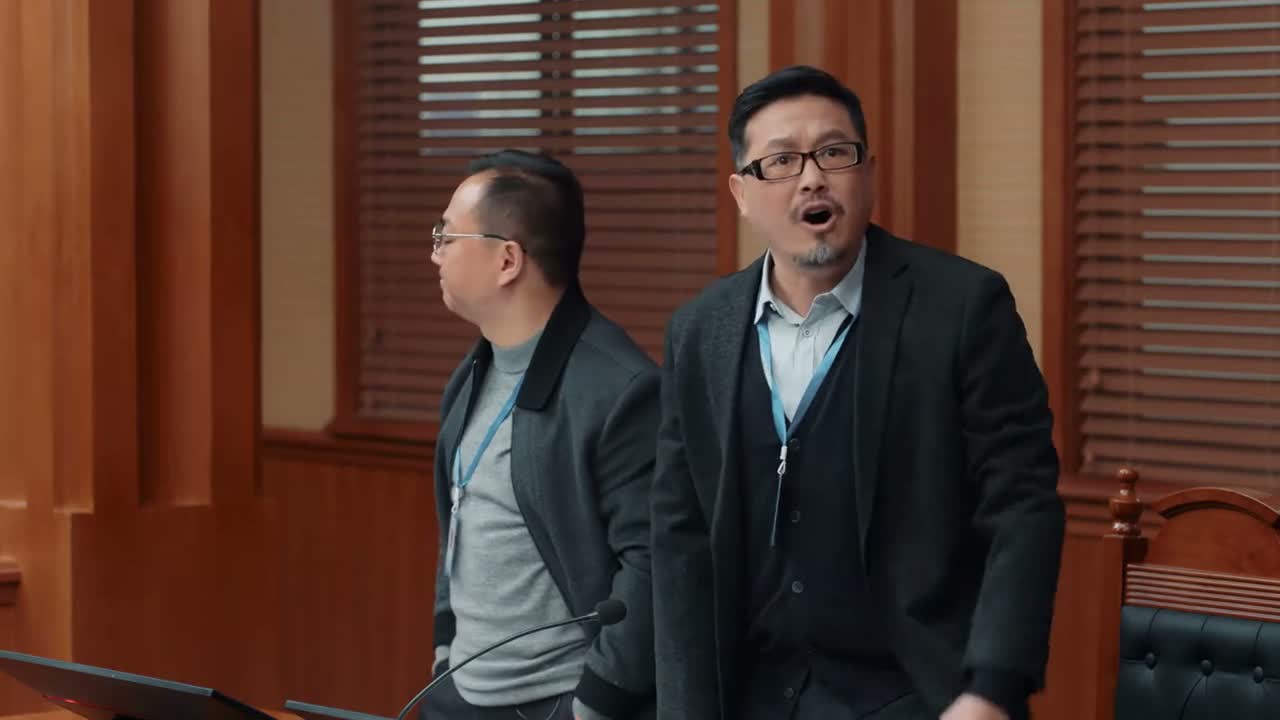
“I refuse to accept this. I will file a complaint against you!”
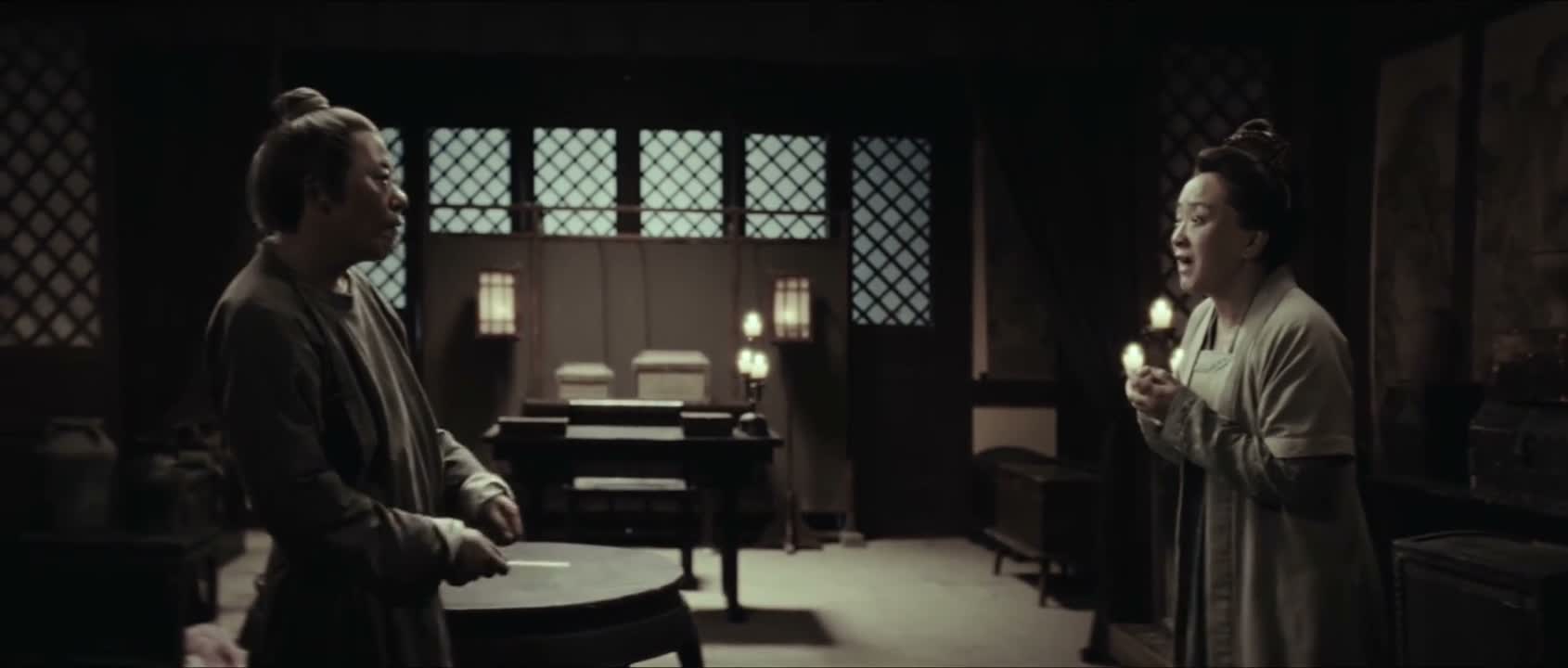
“to report you all!”

“You have to compensate our losses!”

“They are even going to sue us.”

“My company is preparing to sue me.”

“If you don't like it, you can go to court and sue me.”