被屠城的覆辙吧
“leading to its massacre?”
THE DIALOGUE REEL
“when provisions failed to reach Jinzhou City,”
被屠城的覆辙吧
“leading to its massacre?”
“If we do not act immediately, we will trigger another total massacre.”
Traditional Chinese discourse heavily relies on invoking past catastrophes to advise leaders and justify urgent political or military action.
LEARNING CHUNKS & PARTICLES
to repeat the disastrous track; repeat a fatal mistake
Often split or adapted as '...的覆辙' to warn against reliving a past catastrophe.
massacre of a captured city
A heavy historical term used to describe complete civilian slaughter during warfare.
Softens the rhetorical warning while soliciting agreement or urgent reflection.
Parallel Spoken Cinema Scenes (语义近邻切片)

“They've come today to massacre the city.”

“dying wretchedly, strung up on the city walls”
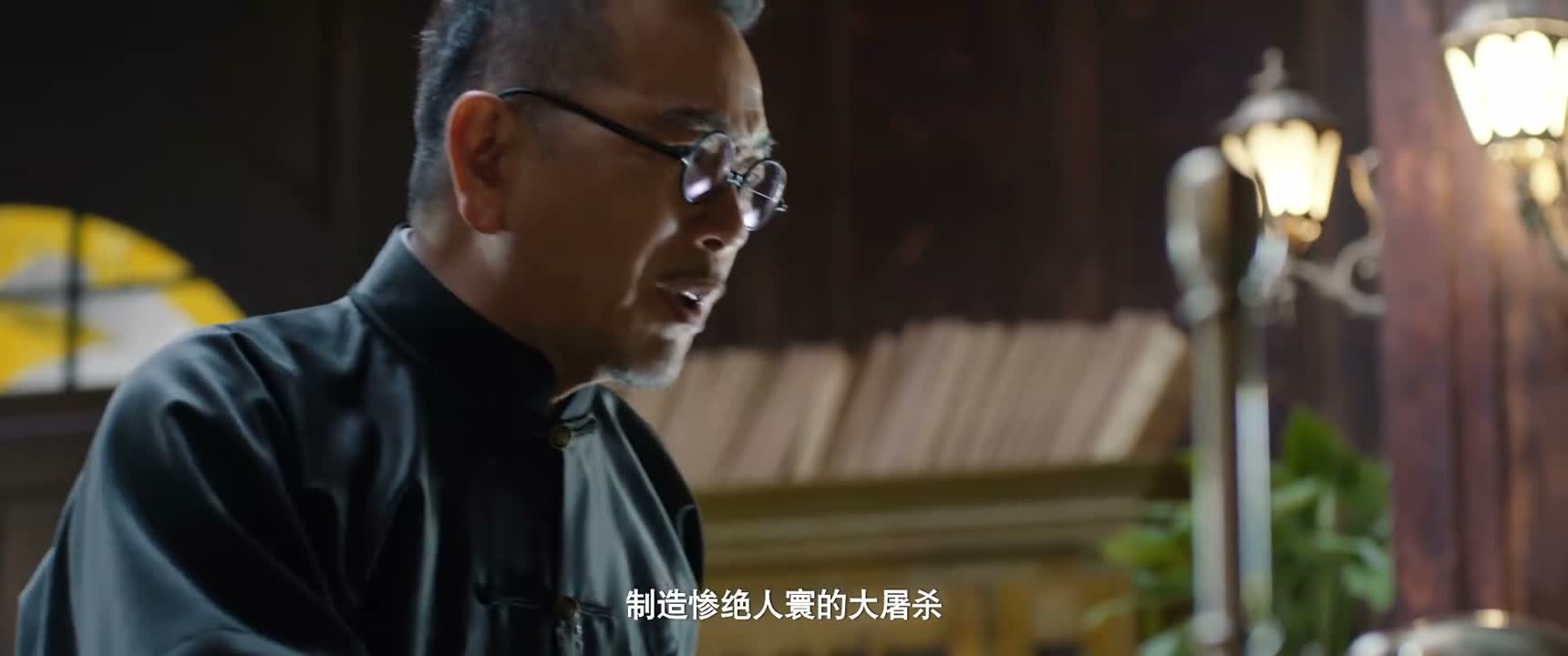
“committed such inhuman massacres...”

“vanquished the rebels,”
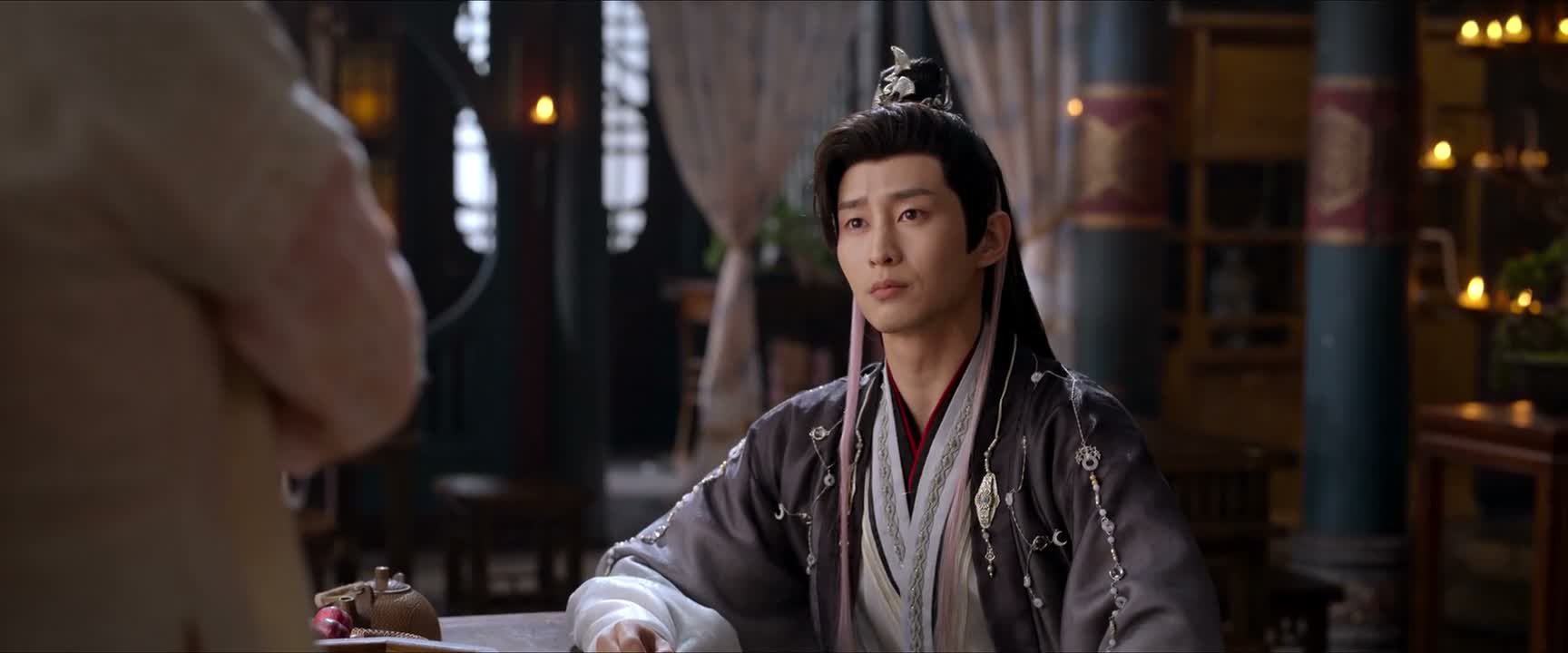
“But even when my whole family was slaughtered,”

“you've committed regicide.”