我是推了他
“I did push him.”
THE DIALOGUE REEL
你为何点头又摇头
“why did you nod first and then shake your head?”
我是 推了他
“I did push him.”
“Yes, I pushed him, but do not blame the whole outcome on me.”
Chinese speakers often validate an interlocutor's partial accusation first ('我是...') before pivoting with '但' to explain mitigating factors.
LEARNING CHUNKS & PARTICLES
I indeed pushed him
Using '是' before a verb emphasizes validation of a factual accusation before adding a mitigating explanation.
Marks the completion of the action 'pushing'.
VOCABULARY & EXPRESSIONS
Parallel Spoken Cinema Scenes (语义近邻切片)

“I'm just giving him a little push.”

“I was the one who gave him the idea.”
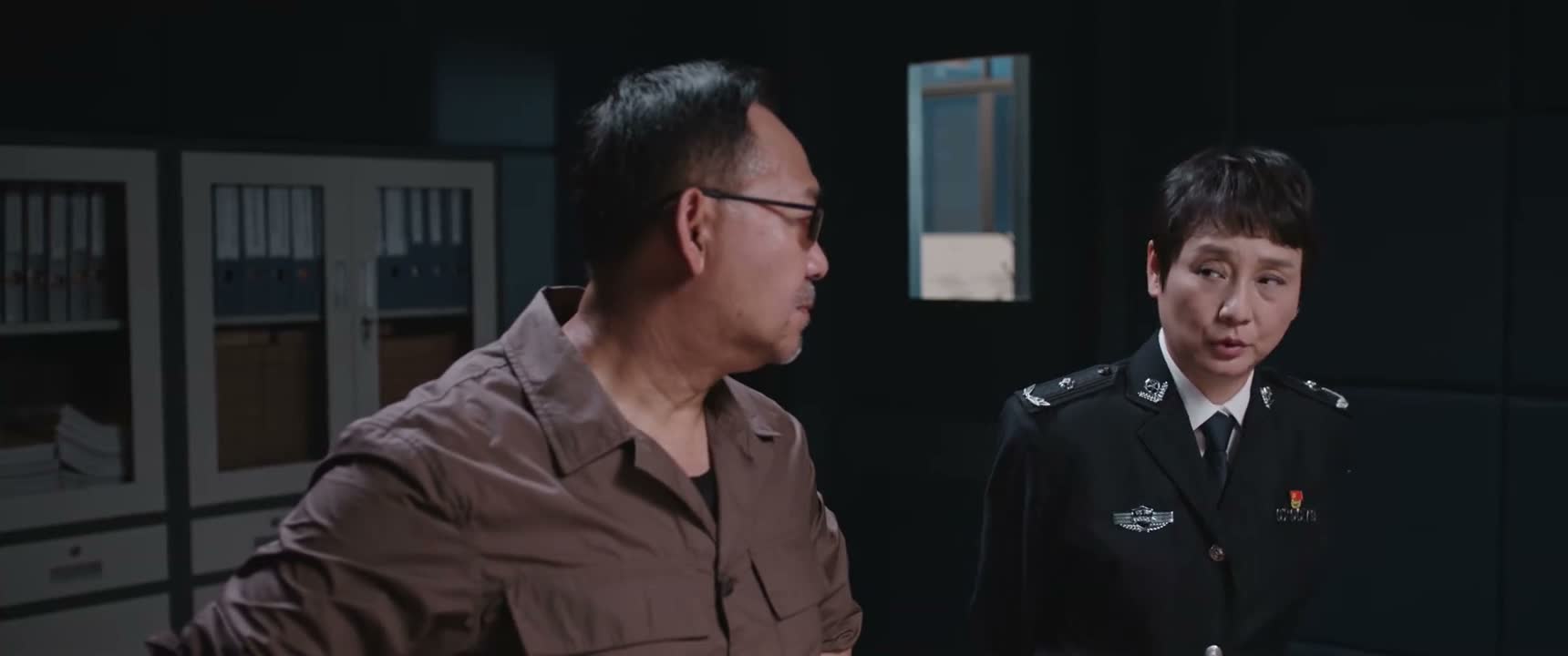
“He pinned all the bad stuff on his mom.”

“He was the one who pushed her.”

“You shouldn't have pushed him away.”

“I'd just blow him away.”