你不喝 你浪费干什么你
“If you're not drinking, why waste it?”
THE DIALOGUE REEL
你这
“You...”
你 不喝 你 浪费干什么 你
“If you're not drinking, why waste it?”
难喝
“It tastes bad.”
Direct spoken expression in this communicative setting.
Chinese cultural values strongly stigmatize squandering food or drink ('langfei'), leading to direct and unabashed reprimands even among friends.
LEARNING CHUNKS & PARTICLES
what do you think you're doing? (with inverted pronoun for emphasis)
Appending the pronoun 'ni' at the end of a rhetorical challenge sharpens the reproach and expresses impatience.
to waste; to squander
A primary moral evaluation word frequently invoked when food, money, or resources are unnecessarily cast away.
VOCABULARY & EXPRESSIONS
Parallel Spoken Cinema Scenes (语义近邻切片)

“No more drinks for me.”
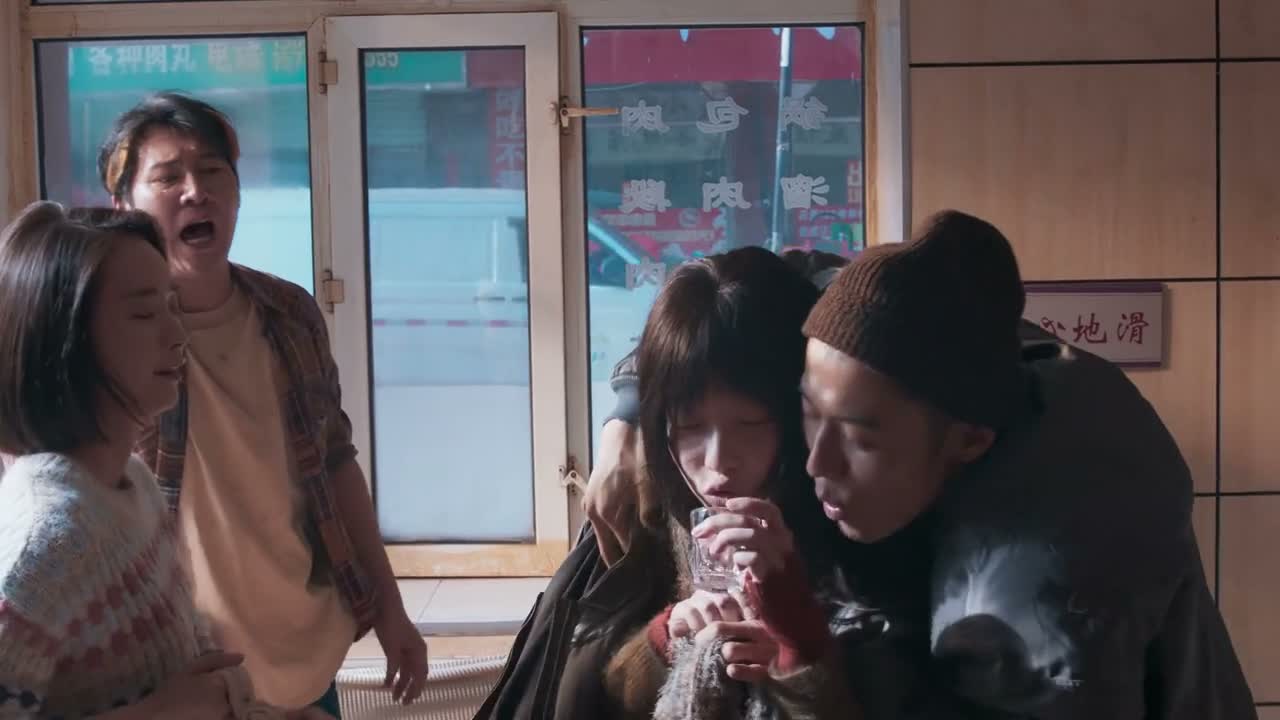
“- No more drinking. - Alright. I'll drink it.”

“Nope. Drinking too much will interfere with business.”
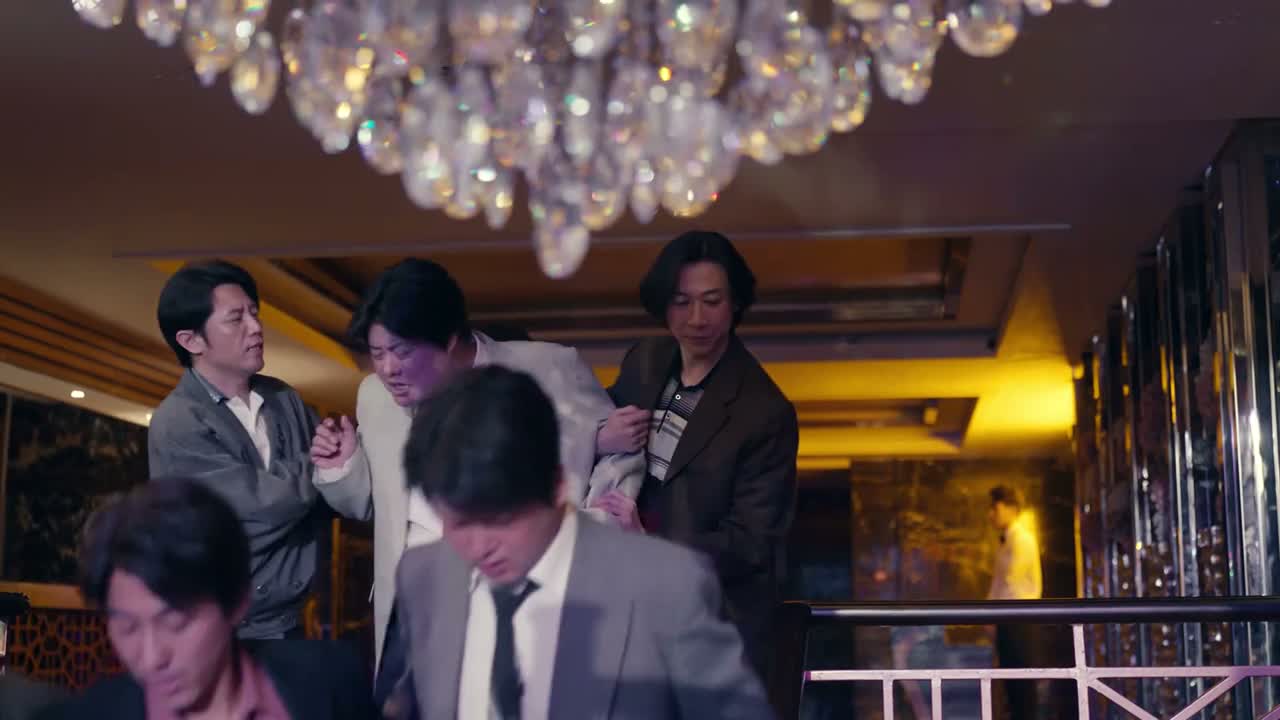
“I'm not drunk. Yeah. You...”

“Why did you refuse to drink it?”
“Kept saying no, then drank half my bottle.”