《COURT!》 S1·E7 (29:46)
HSK 3
jiù zài yě bú jiàn wǒ le
就再也不见我了
“the children refuse to see me at all.”
《COURT!》
S1·E7
TIMECODE: 29:46
·
1080P MASTER AUDIO
THE DIALOGUE REEL
[-1] PREVIOUS TURN
zhè liǎng gè hái zi
这两个孩子
“but ever since then,”
jiù zài yě bú jiàn wǒ le
CURRENT FOCUS
就 再也不见 我 了
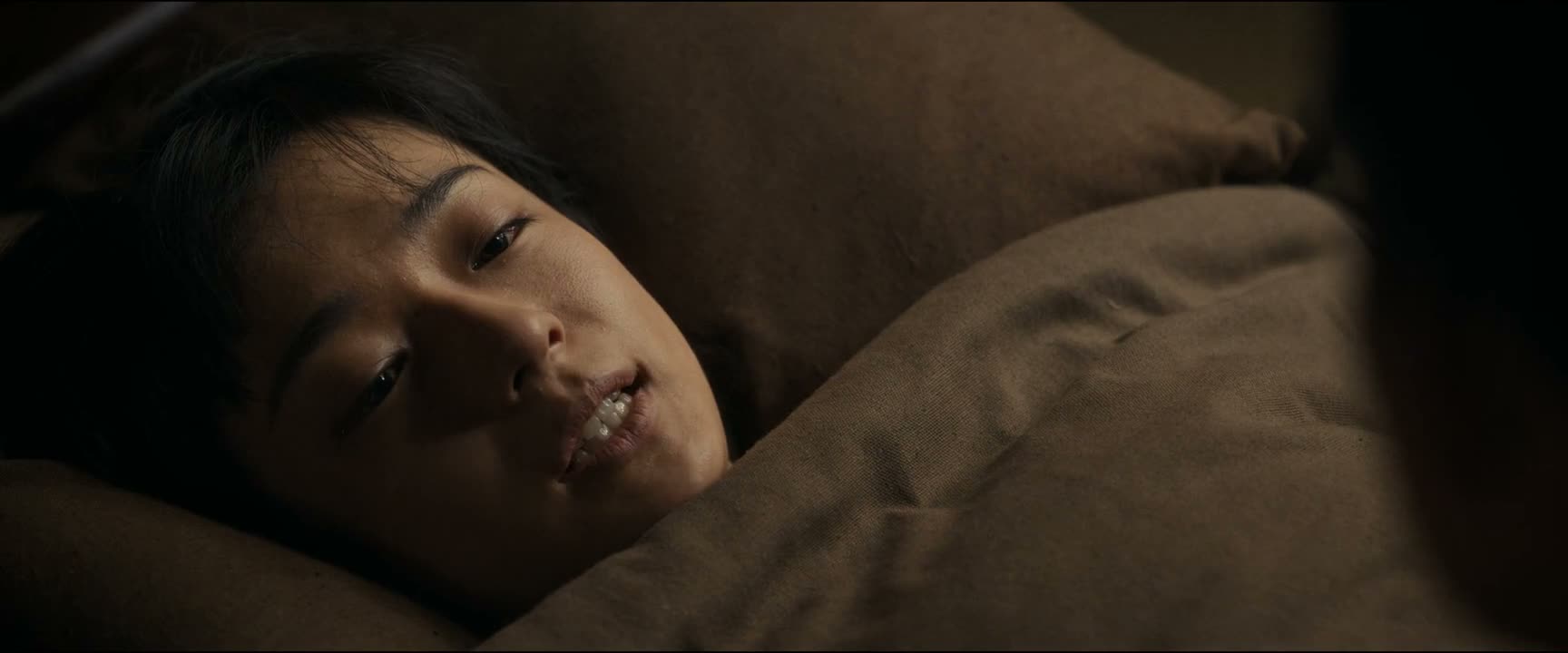
“the children refuse to see me at all.”
[+1] FOLLOW-UP TURN
nǐ jiù shì yī bǎo mǔ
你就是一保姆
“You're just the nanny.”
Subtitles synced to millisecond timecode
Browse Show Clips →
Scene:
Crisis & Conflict
Function:
LAMENTING
Tone:
DESPAIRING
Emotion:
SADNESS
WHAT THEY REALLY MEAN (PRAGMATIC SUBTEXT)
Direct spoken expression in this communicative setting.
💡 Cultural Insight: Severing Family Ties (断绝往来)
In Chinese culture, children refusing to see a parent or caretaker represents extreme filial breakdown and emotional trauma.
INTENT TAGS:
#lamentation
#estrangement
#despair
#grievance
🧩
2 CHUNKS · 1 PARTICLES
LEARNING CHUNKS & PARTICLES
再也不
SPOKEN CHUNK
never again
Used to express definitive, permanent cessation of an action or contact.
见我
SPOKEN CHUNK
see me / meet with me
Standard collocation referring to visiting or meeting with someone.
Modal Particle「了」 (le)
CHANGE OF STATE
Indicates a new, permanent state of abandonment and estrangement.
🏮
1 EXPR · 9 GRAMMAR
VOCABULARY & EXPRESSIONS
CROSS-CINEMA CORPUS BOARD · PARALLEL SCENES
EXPLORE BY SEMANTIC SIMILARITY
Parallel Spoken Cinema Scenes (语义近邻切片)
《COURT!》 S1·E7 (29:46) · Authentic Cinema Dialogue Corpus