你何时也学会取笑别人了?
“Since when did you learn to tease people?”
THE DIALOGUE REEL
忘忧啊 忘忧
“Come on, Wangyou.”
你 何时也学会 取笑别人 了?
“Since when did you learn to tease people?”
“Stop teasing me, you are usually not this cheeky!”
In Chinese relationships, when a normally reserved person begins teasing the other, it signals a deeper level of comfort and affection.
LEARNING CHUNKS & PARTICLES
since when did you also learn to...
Use this rhetorical opening to tease someone about developing a new, slightly cheeky habit or trait.
tease others / make fun of people
A standard expression for poking gentle or mocking fun at someone.
Marks a change of state, highlighting that the listener has now adopted this teasing behavior.
VOCABULARY & EXPRESSIONS
Parallel Spoken Cinema Scenes (语义近邻切片)

“This isn't the time for jokes.”
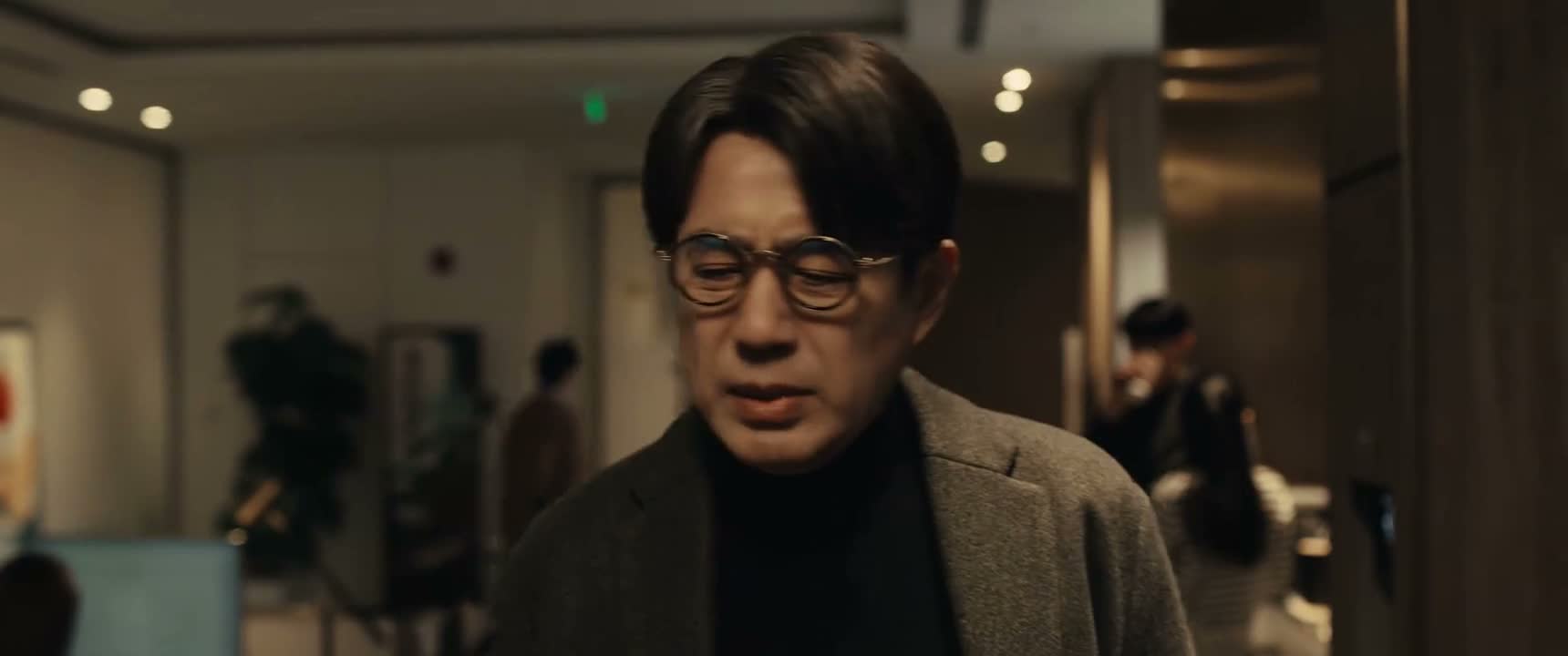
“Still joking at a time like this?”

“Why are you still acting like this?”

“Have I ever deceived you?”

“When did you learn that? Did you secretly practice at home?”

“When did you find out?”