夏侯澹这出喜新厌旧的戏
“Xiahou Dan's performance of favoring the new over the old”
THE DIALOGUE REEL
别看了 别看了
“Stop looking.”
夏侯澹这出 喜新厌旧 的戏
“Xiahou Dan's performance of favoring the new over the old”
做得可真够足的
“is quite convincing.”
“Look at him putting on such an elaborate show of abandoning me.”
In Chinese palace dramas, figures often stage elaborate charades of falling out of favor or loving someone else to deceive enemies or manipulate public perception.
LEARNING CHUNKS & PARTICLES
fickle in affection; loving the new and loathing the old
A common four-character idiom (chengyu) used critically to describe someone who abandons previous lovers or things for newer ones.
this play / this charade
Metaphorically used to describe an insincere or staged act performed for others to see.
VOCABULARY & EXPRESSIONS
Parallel Spoken Cinema Scenes (语义近邻切片)
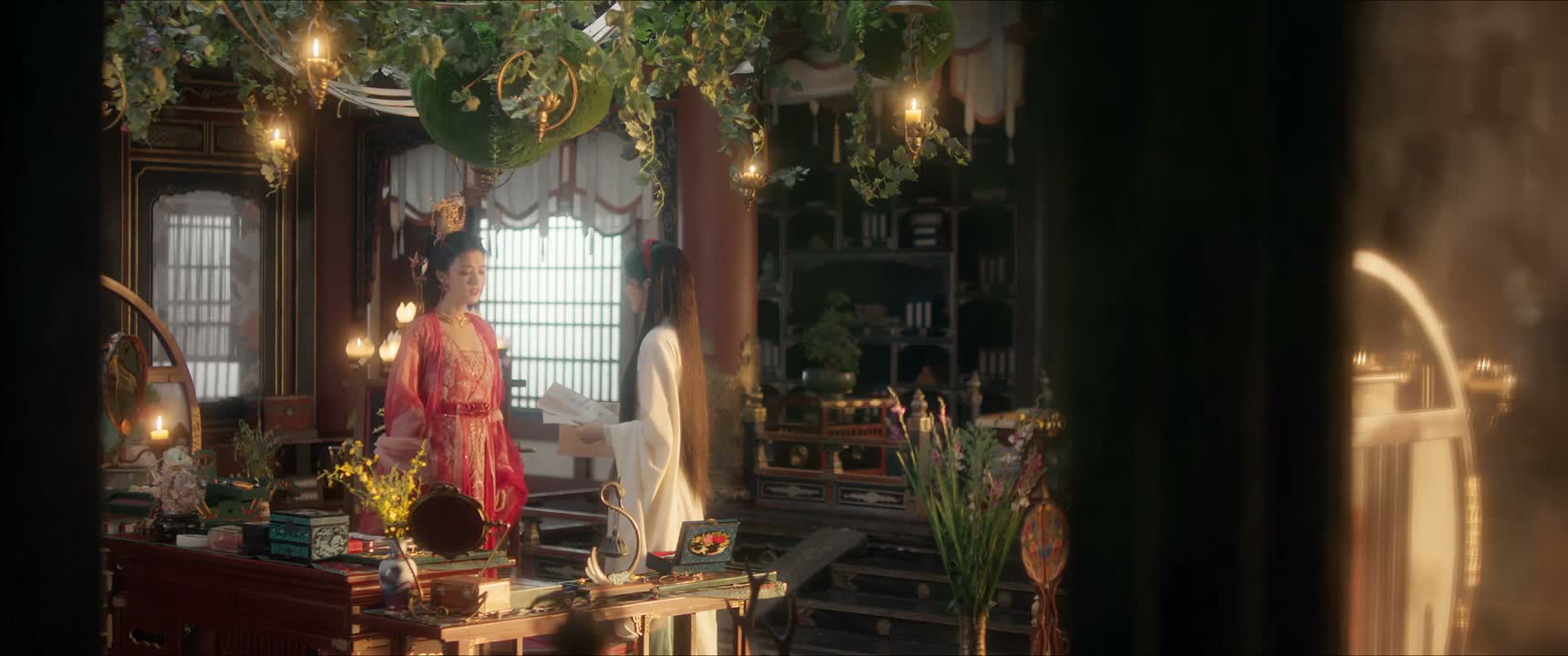
“Xiahou Dan, say one more word and I'll hit you!”

“Xiahou Dan! Why can't I read it? You're so childish.”
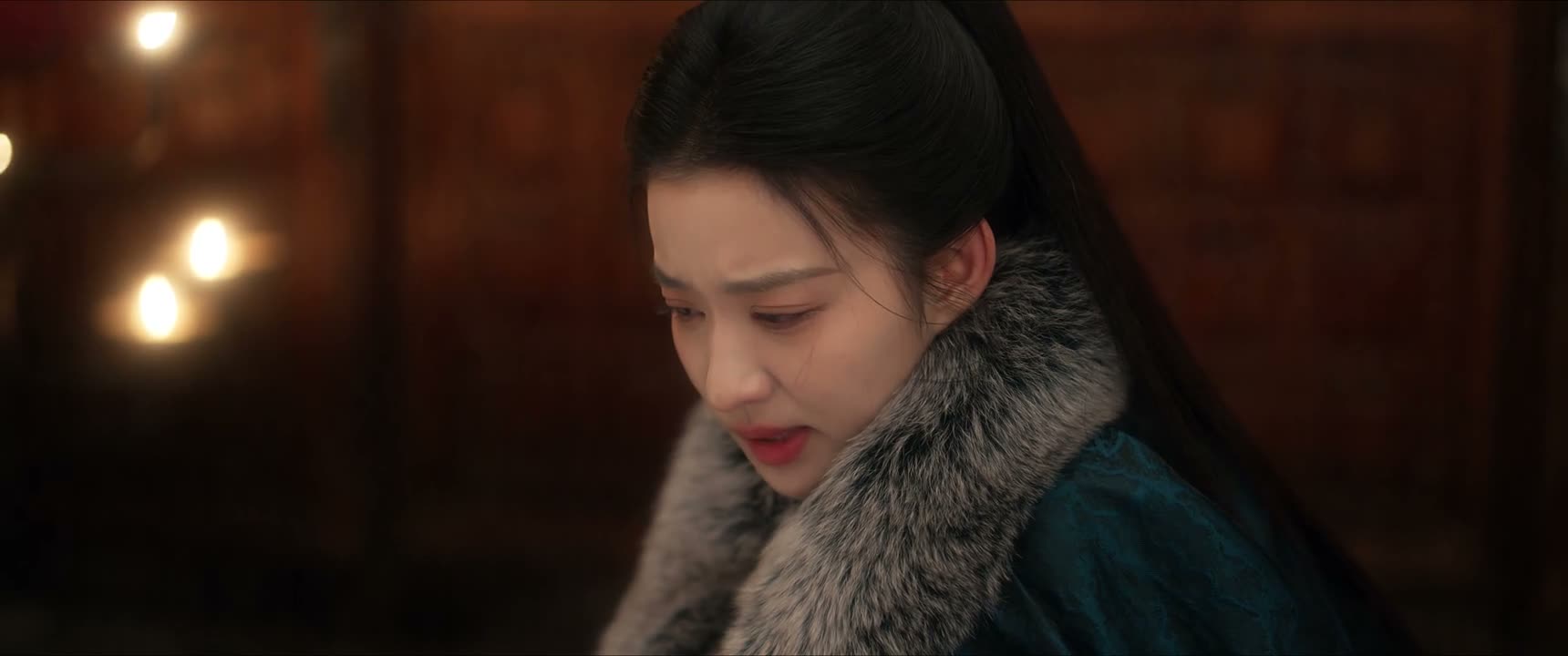
“Xiahou Dan, you want me to punch you or what?”

“Ever since Xiahou Dan started disobeying, she resorted to some underhanded methods”

“You don't need to play the good cop, bad cop with Xiahou Dan.”
“This Xiahou Dan is driving me crazy!”