马总想见见二位 跟我走一趟
“Mr. Ma wants to see you two. Come with me.”
THE DIALOGUE REEL
夏雪
“Xia Xue.”
马总想 见见 二位 跟我走 一趟
“Mr. Ma wants to see you two. Come with me.”
“[Waiting Area for Chengdu-Bound Passengers] You two know very well what dirty things you've done.”
“You have no choice—come with me right now to face the boss.”
In Chinese confrontational dynamics, enforcers often employ formal phrases like '二位' (you two) and '见见' (meet) to convey cold authority without overtly shouting threats.
LEARNING CHUNKS & PARTICLES
Meet the two of you
A polite-sounding phrase used here with chilling sarcasm to mask a coercive summons.
Come along with me / Take a trip with me
Commonly used by law enforcement or henchmen when demanding someone accompany them.
VOCABULARY & EXPRESSIONS
Parallel Spoken Cinema Scenes (语义近邻切片)

“Mr. Ma. I've done what you asked me to do.”

“Mr. Ma is talking to you. Speak up.”

“Mr. Ma asked me to say hello to you.”
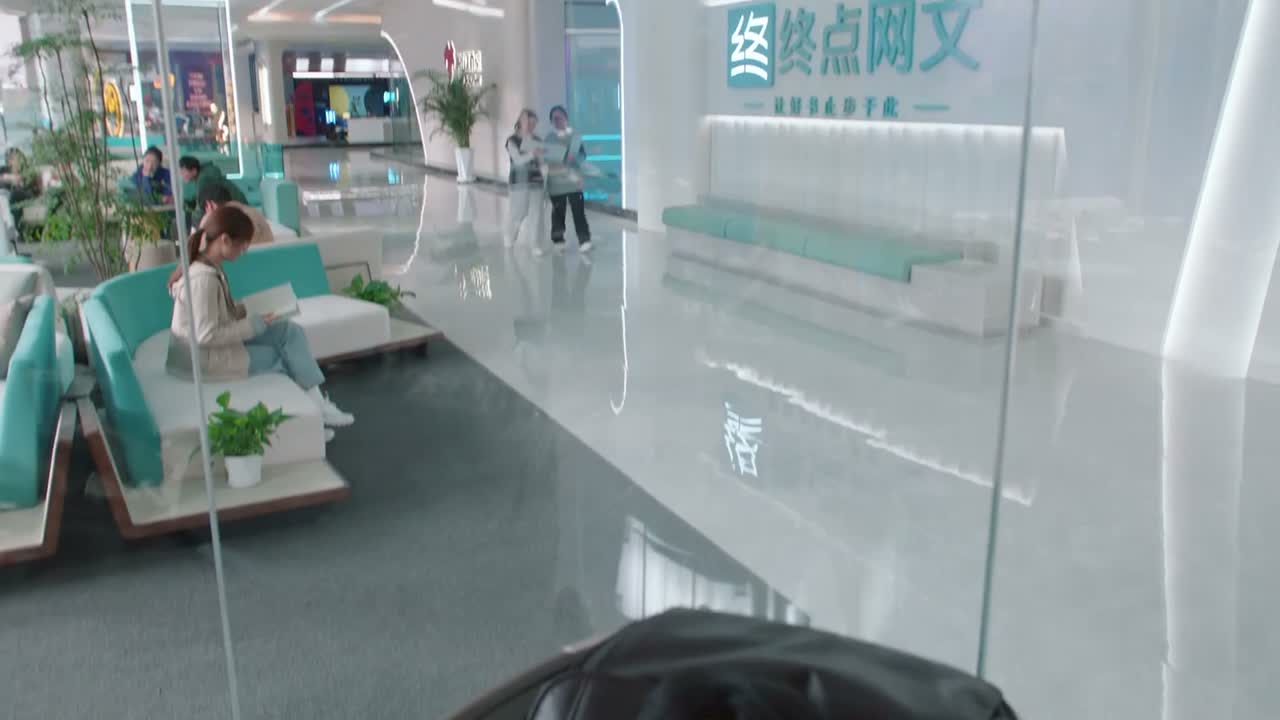
“(Zhongdian Web Fiction) Mr. Ma, don't panic.”
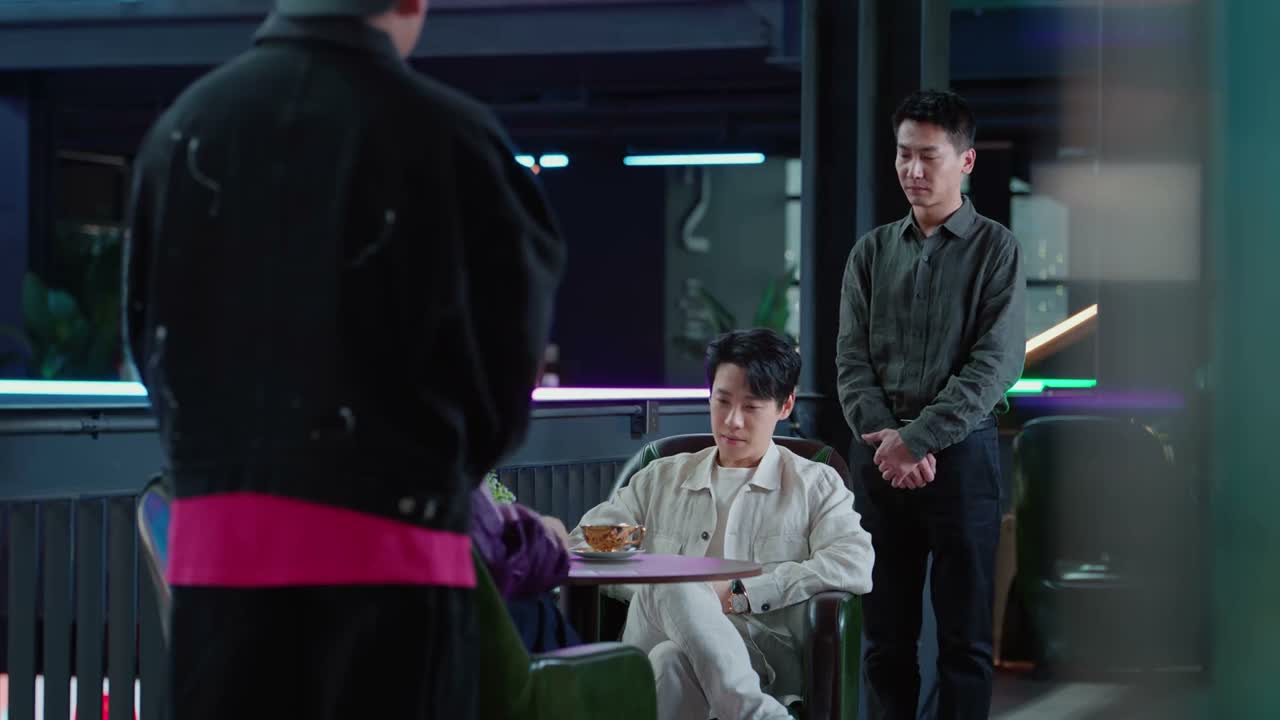
“Mr. Ma. Don't get so stressed out.”

“Mr. Ma's asking you. Answer him.”