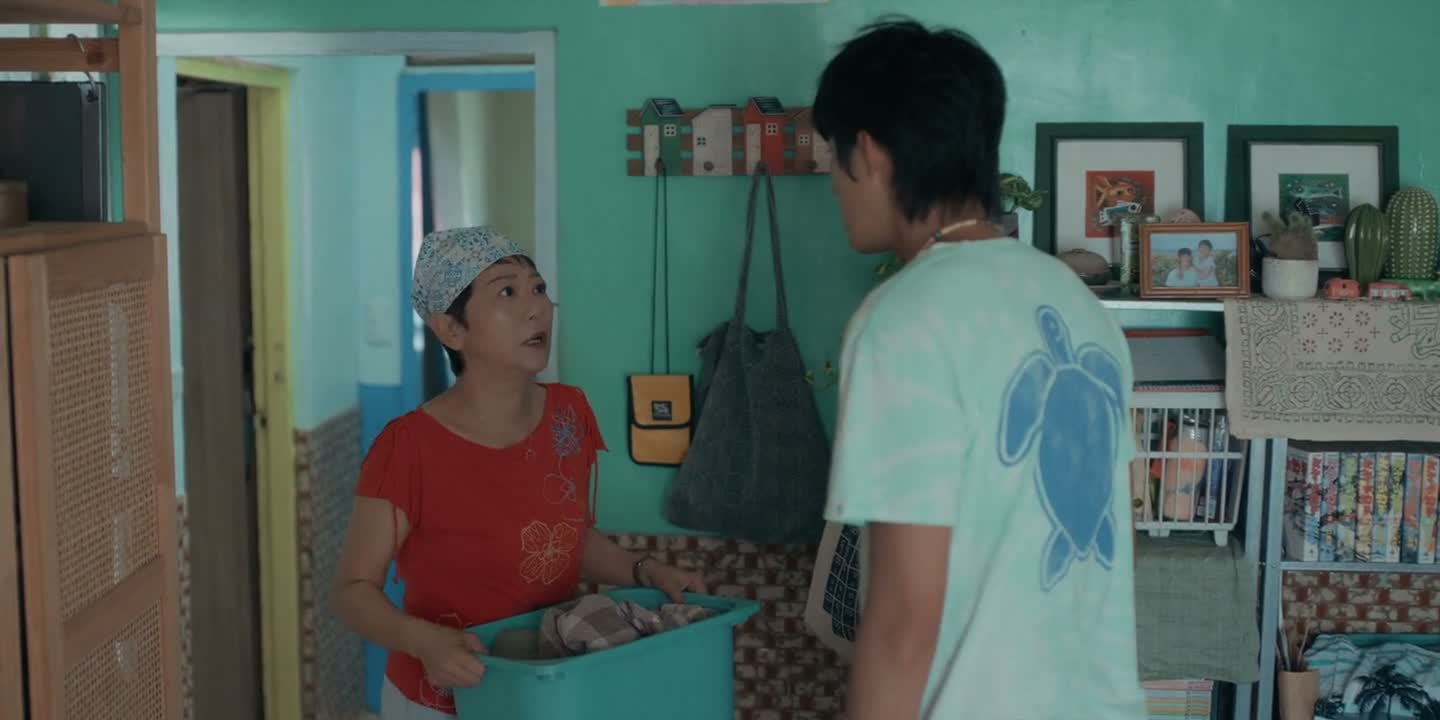
在别人家里 哪儿能那么自在
“I couldn't be at ease in someone else's house.”
THE DIALOGUE REEL
可就像你说的
“But just like you said,”
在别 人家 里 哪儿能那么自在
“I couldn't be at ease in someone else's house.”
“Xiaoming has blamed me for years, and I have nothing to say.”
“You have to understand, living under someone else's roof was suffocating and I had no choice.”
Chinese culture places immense emotional weight on having one's own home; living dependent on relatives or outsiders ('在别人家里') carries deep feelings of restraint, shame, and walking on eggshells.
LEARNING CHUNKS & PARTICLES
how could it possibly be...
A classic rhetorical question pattern in spoken Chinese meaning 'it is completely impossible'.
at ease / comfortable / unrestricted
Refers to psychological comfort and freedom from social restraint or awkward scrutiny.
VOCABULARY & EXPRESSIONS
Parallel Spoken Cinema Scenes (语义近邻切片)

“If not their homes, where else would you take them? To the Uninhabited Zone”
“Where would you be if you weren't home?”

“Can you feel at ease in someone else's house?”