不拿去别人家里 你拿去哪里啊 去无人区
“If not their homes, where else would you take them? To the Uninhabited Zone”
THE DIALOGUE REEL
要我们把这些东西 拿到别人家里去吗
“Do we have to take these into others' homes?”
不 拿去 别 人家 里 你 拿去哪里 啊 去无人区
“If not their homes, where else would you take them? To the Uninhabited Zone”
给藏羚羊用吗
“for Tibetan antelopes?”
“Stop complaining and asking dumb questions—where else could we possibly put this?”
Chinese speakers frequently employ extreme geographic or situational exaggerations (like shipping household items to Tibetan uninhabited zones) to highlight the absurdity of a partner's petty complaint.
LEARNING CHUNKS & PARTICLES
no man's land / uninhabited wilderness
Literally unpopulated frontier areas, often used hyperbolically in everyday speech to mean 'in the middle of nowhere'.
someone else's home
Refers generically to another party's household or private space.
Accentuates the exasperated rhetorical pushback.
VOCABULARY & EXPRESSIONS
Parallel Spoken Cinema Scenes (语义近邻切片)
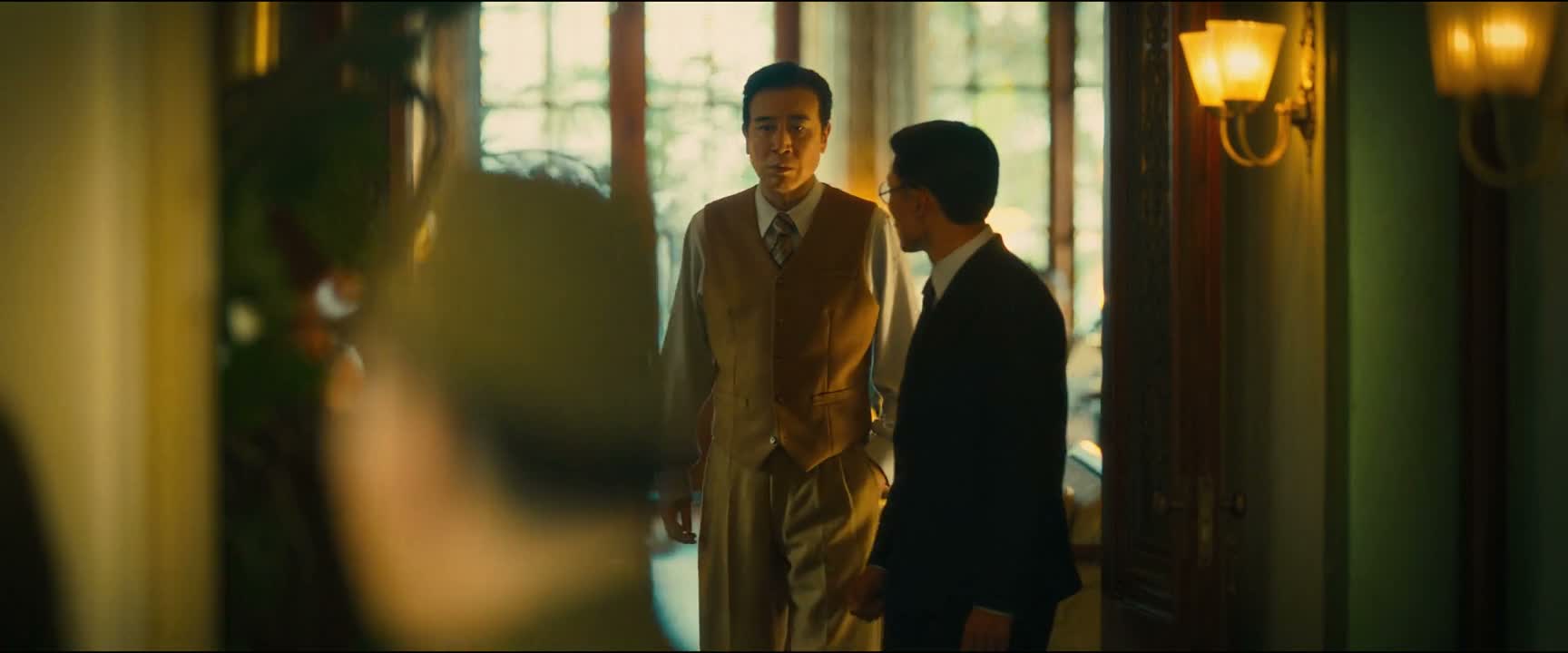
“This is someone else's house. Behave yourself.”

“I won't go. She doesn't care to see me.”

“Later, I heard that you can earn money at the Uninhabited Zone.”
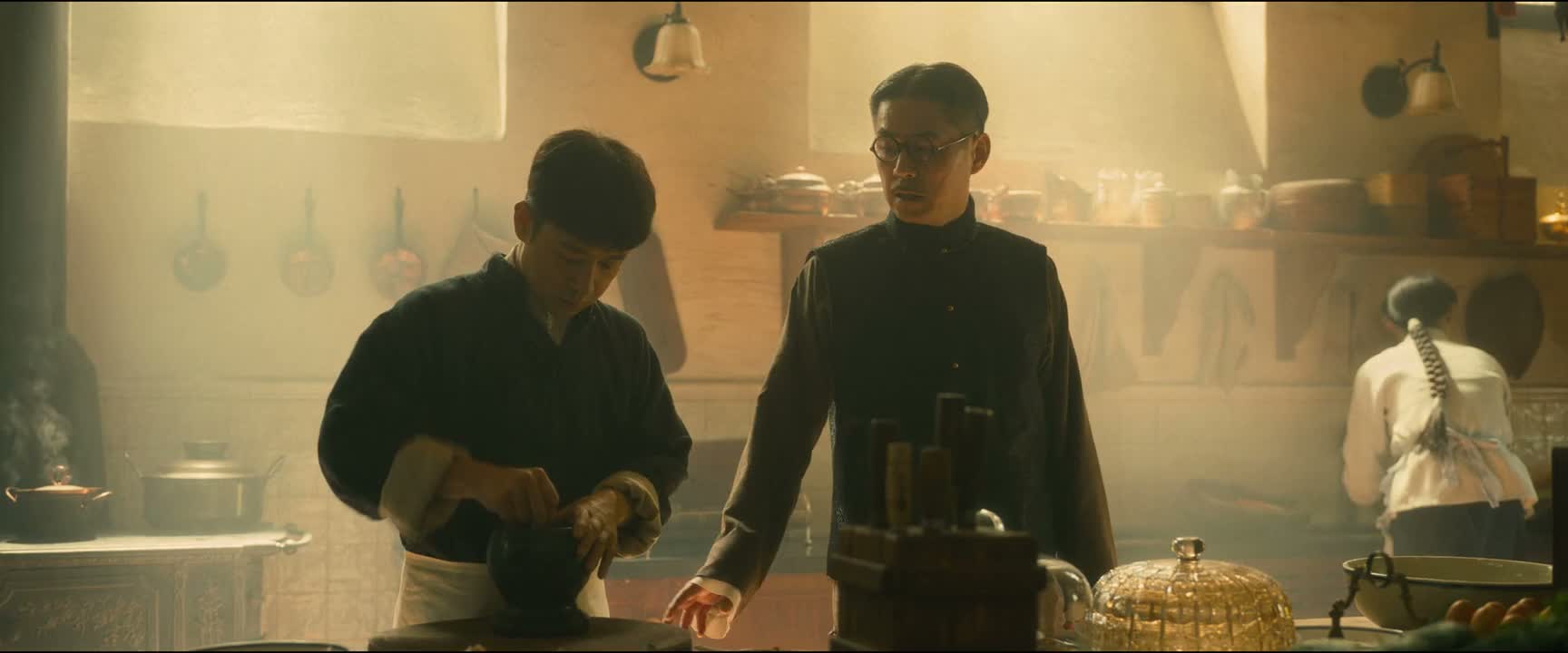
“No, he asked you to tell them”
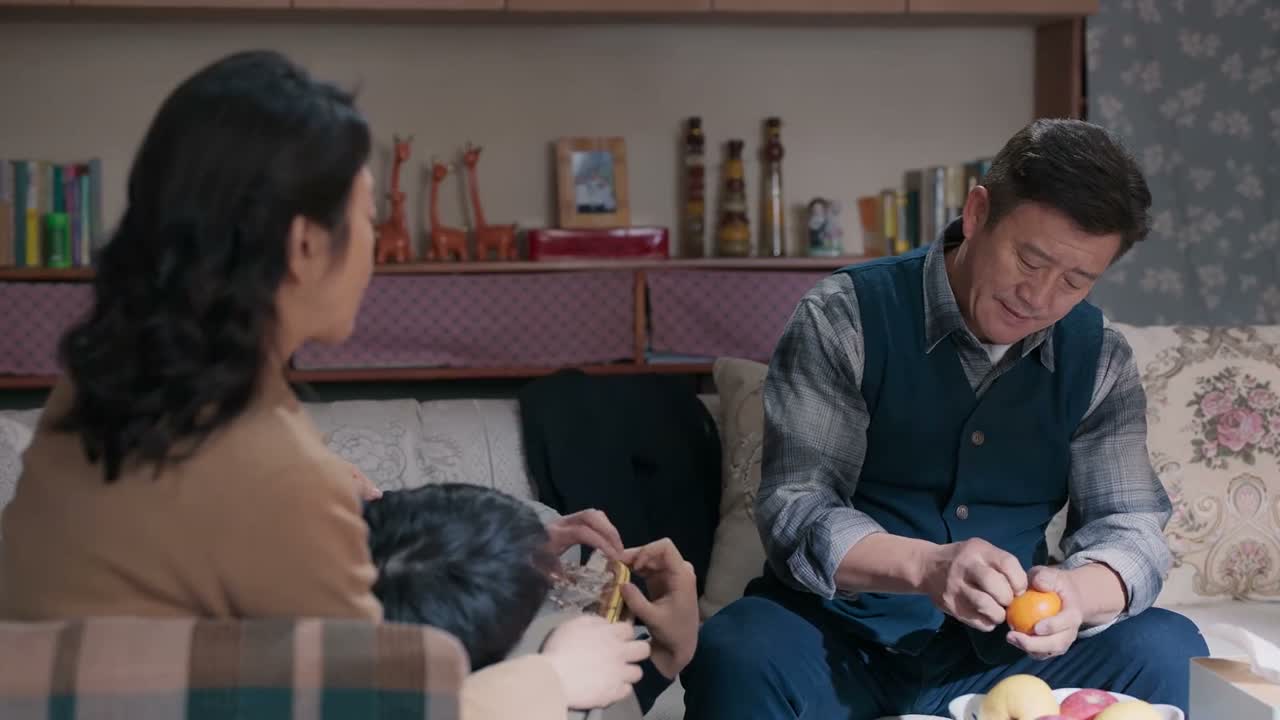
“I couldn't be at ease in someone else's house.”

“We can't take the things that others throw away.”