咱们各过各的行吗
“Let's just live our own lives, okay?”
THE DIALOGUE REEL
你先把自己拎拎清
“Mind your own business first.”
咱们 各过各的 行吗
“Let's just live our own lives, okay?”
行行行
“Fine.”
“Leave me alone and stay out of my business.”
In high-context Chinese family dynamics where boundaries are often blurred, asserting 'living separately' marks a strong pushback against intrusive oversight.
LEARNING CHUNKS & PARTICLES
to live separate lives; to each mind their own business
A common colloquial phrase used between partners or family members seeking detachment without necessarily cutting ties.
is that okay? / can we?
A tag question that can express genuine inquiry or exasperated pleading depending on tone.
Softens the rhetorical demand into an interrogative plea for agreement.
VOCABULARY & EXPRESSIONS
Parallel Spoken Cinema Scenes (语义近邻切片)
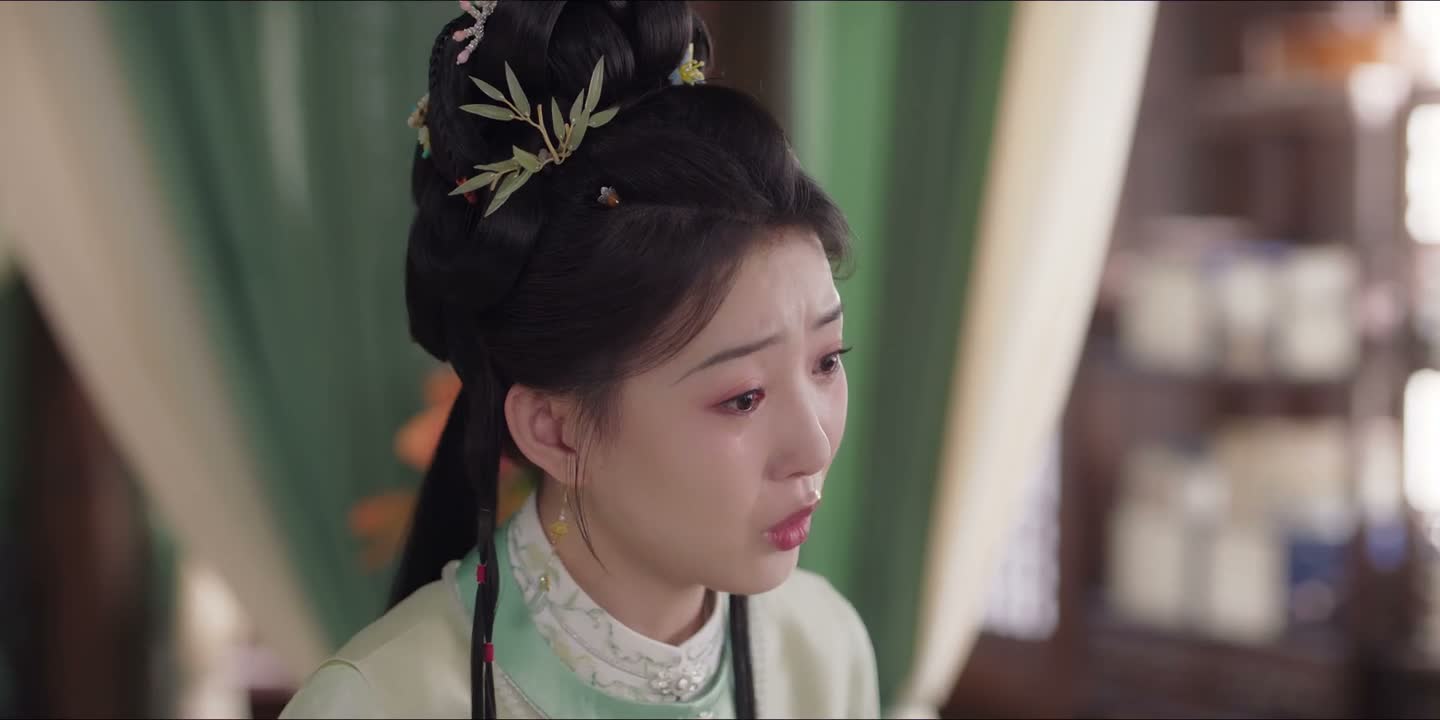
“Couldn't we just live our own lives?”
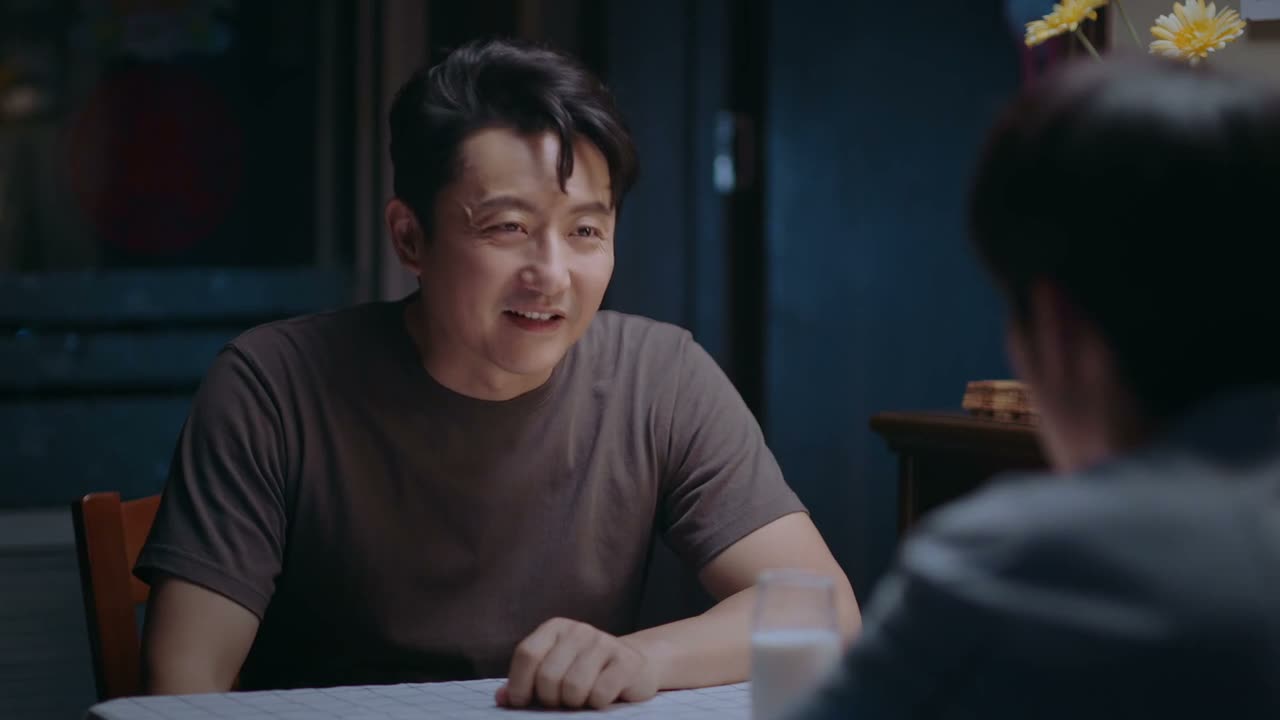
“be busy with your own things, and live your own lives.”
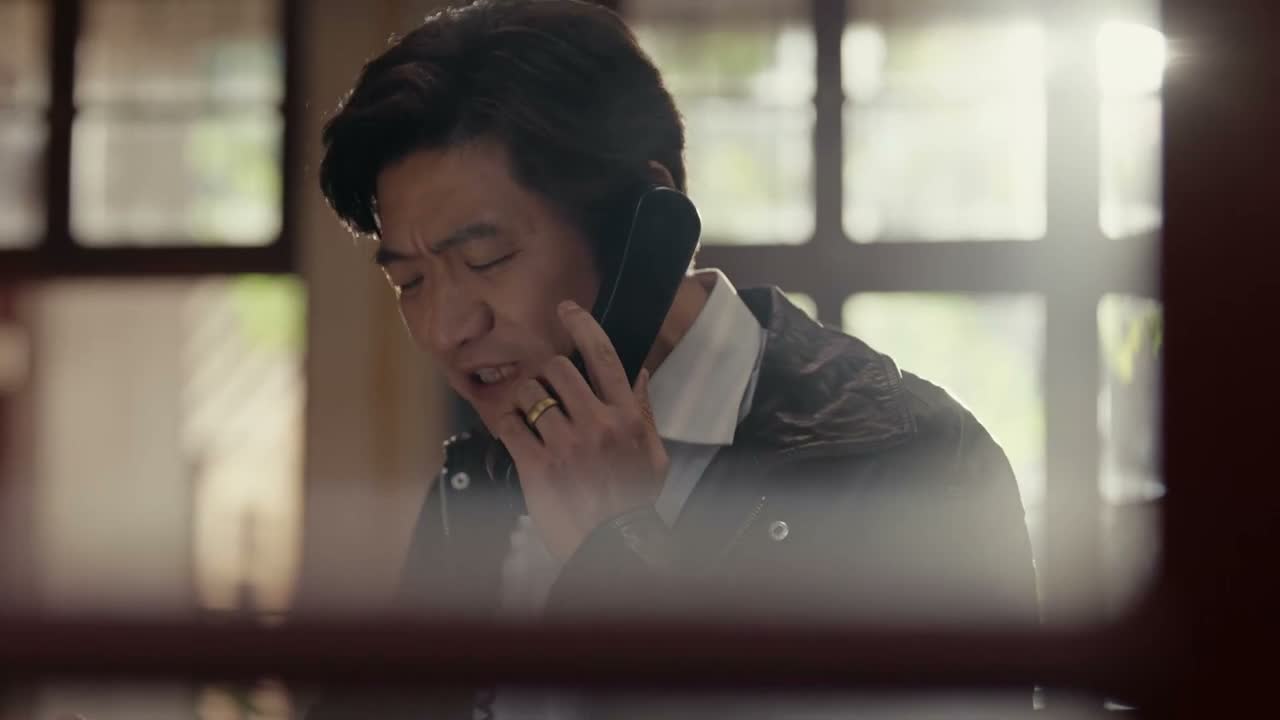
“So let's get back to work, okay?”