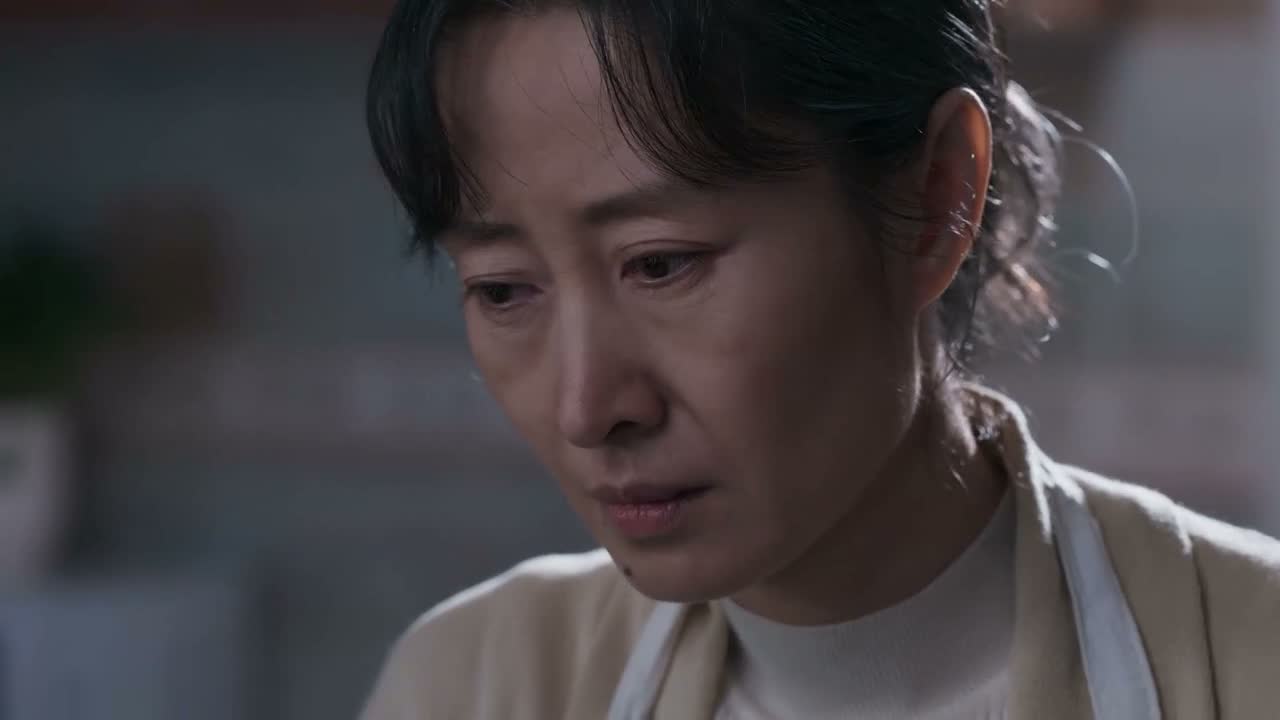
我最讨厌 也不需要别人可怜我
“I detest and don't need to be pitied.”
THE DIALOGUE REEL
我求你了
“Please!”
我 最讨厌 也不 需要别人 可怜我
“I detest and don't need to be pitied.”
明天我下了班啊 我去取药 然后给你送过来
“After I'm off duty tomorrow, I'll get the medicine and bring it to you.”
“Back off; your pity does not comfort me, it only hurts my pride.”
In Chinese social psychology, accepting blatant pity (kelian) can feel like a profound loss of face and personal dignity, prompting strong defensive rejection.
LEARNING CHUNKS & PARTICLES
hate the most
A strong spoken expression used to emphasize personal antipathy toward a specific behavior.
pity me
Used when describing someone feeling sympathy or taking pity on someone, often perceived as condescending.
VOCABULARY & EXPRESSIONS
Parallel Spoken Cinema Scenes (语义近邻切片)
“(The person I hate the most)”

“I hate it most when people say I'm like my mom.”

“I hate people like Wang Jianhua the most...”

“I don't dislike her. You know what Auntie cares about most.”

“I hate copying scriptures.”

“I hate when people say that. You know that.”