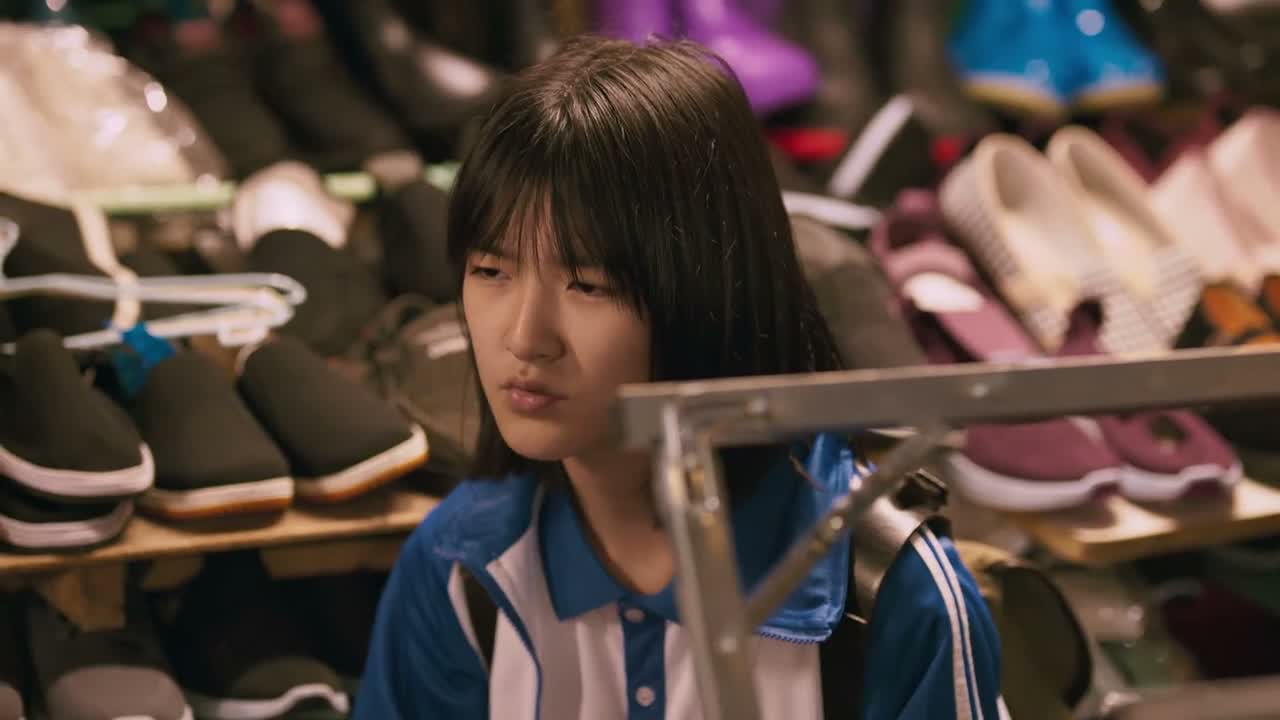
柏庶 你怎么老嘲笑我啊
“Bai Shu, why do you keep teasing me?”
THE DIALOGUE REEL
“Are you sure it's not a heart attack?”
柏庶 你 怎么 老嘲笑我 啊
“Bai Shu, why do you keep teasing me?”
不嘲笑了 不嘲笑
“No more teasing. No teasing.”
“Quit teasing me and show some sympathy!”
Expressing mild, feigned grievance is a common way in Chinese informal relationships to show closeness and seek affectionate indulgence.
LEARNING CHUNKS & PARTICLES
always making fun of me / constantly mocking me
Used in close relationships to complain about teasing in an affectionate, semi-serious way.
why are you always...
Used colloquially to express mild exasperation or playful complaint about a repetitive habit.
Softens the rhetorical question into a friendly, petulant complaint rather than an aggressive confrontation.
VOCABULARY & EXPRESSIONS
Parallel Spoken Cinema Scenes (语义近邻切片)

“You speak so eloquently. I feel the same way,”

“Bai Shu is now my only family in this world.”

“that Bai Shu took it upon herself to save you.”

“Bai Shu probably has something to do. Why are you crying?”

“Where's Bai Shu? Is she here? I don't know. I'm not here for her.”
“Bai Shu isn't like that.”