柏庶可能她有什么事儿吧 你这哭什么
“Bai Shu probably has something to do. Why are you crying?”
THE DIALOGUE REEL
妈跟你说 这大年初一一大早就哭 一年都痛快不了
“Listen, crying on Chinese New Year's Day means you won't have a good year.”
柏庶可能她 有什么事儿 吧 你这 哭什么
“Bai Shu probably has something to do. Why are you crying?”
喂
“Hello?”
“Don't jump to conclusions, just stop crying.”
In Chinese tradition, crying on the first day of the Lunar New Year is considered bad luck, prompting relatives to quickly suppress tears.
LEARNING CHUNKS & PARTICLES
what are you crying for? / why cry?
A spoken rhetorical phrase used to dissuade or soothe someone who is crying unnecessarily.
to have something going on / to have business to take care of
Commonly used to speculate that someone is occupied with personal matters.
Softens the speculation, indicating a tentative inference or reasonable guess.
VOCABULARY & EXPRESSIONS
Parallel Spoken Cinema Scenes (语义近邻切片)

“Has Bai Shu gotten into some kind of trouble?”

“Bai Shu, why do you keep teasing me?”

“Where's Bai Shu? Is she here? I don't know. I'm not here for her.”
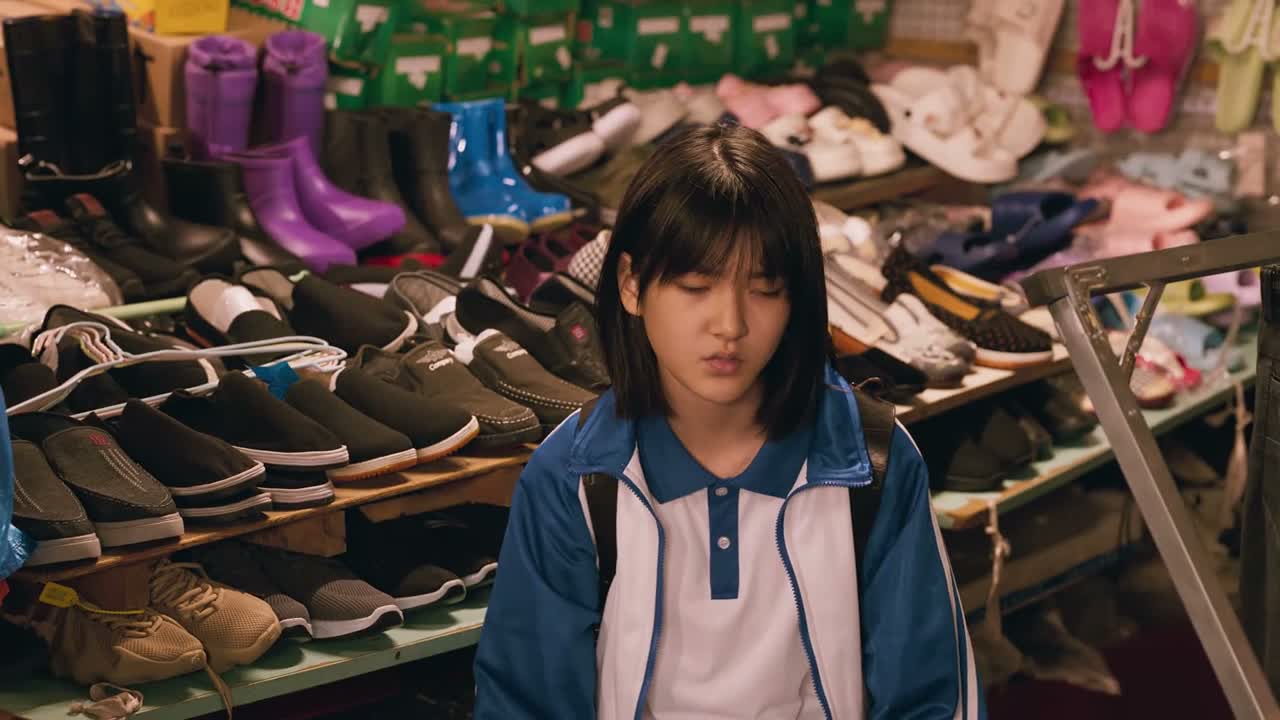
“Bai Shu won't talk to me anymore.”

“You speak so eloquently. I feel the same way,”

“Bai Shu is now my only family in this world.”