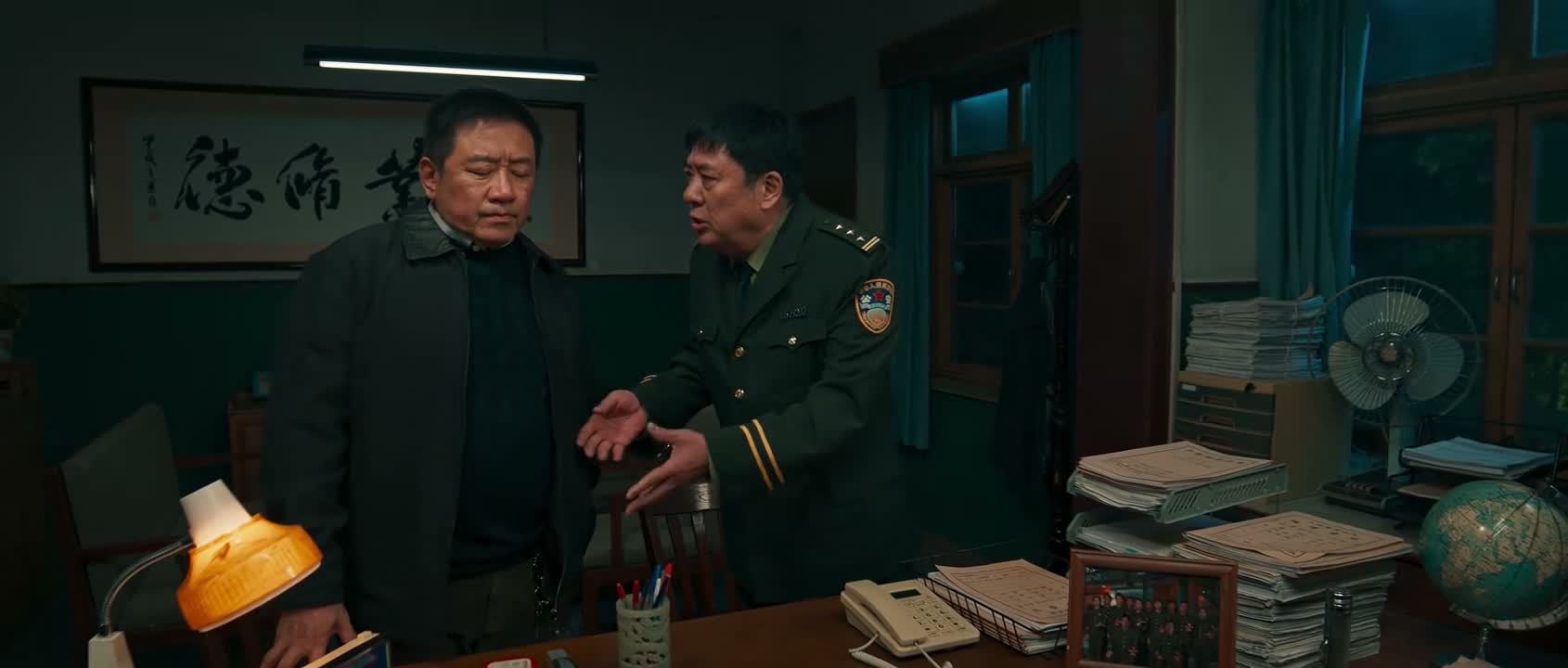
往后这日子怎么过呀 绛月
“how are we going to live? Jiangyue,”
THE DIALOGUE REEL
这若是抵押了
“If they are mortgaged,”
往后 这 日子怎么过 呀 绛月
“how are we going to live? Jiangyue,”
你所担忧的我心里都能明白
“I understand your concerns.”
“We will lose everything if we do this, please tell me there is another way!”
The phrase '过日子' encapsulates the practical reality of maintaining household stability and domestic routine through thick and thin.
LEARNING CHUNKS & PARTICLES
from now on; in the future
A natural spoken equivalent to 从今以后, frequently used when contemplating future circumstances.
how to survive; how to make ends meet
A common rhetorical cry used in times of extreme domestic or financial hardship.
Heightens the speaker's emotional distress, despair, and desperation in this rhetorical plea.
VOCABULARY & EXPRESSIONS
Parallel Spoken Cinema Scenes (语义近邻切片)

“how will she survive in the future?”

“how can we live this life?”

“Our lives will become better in the future.”
“so how will you face each other later?”