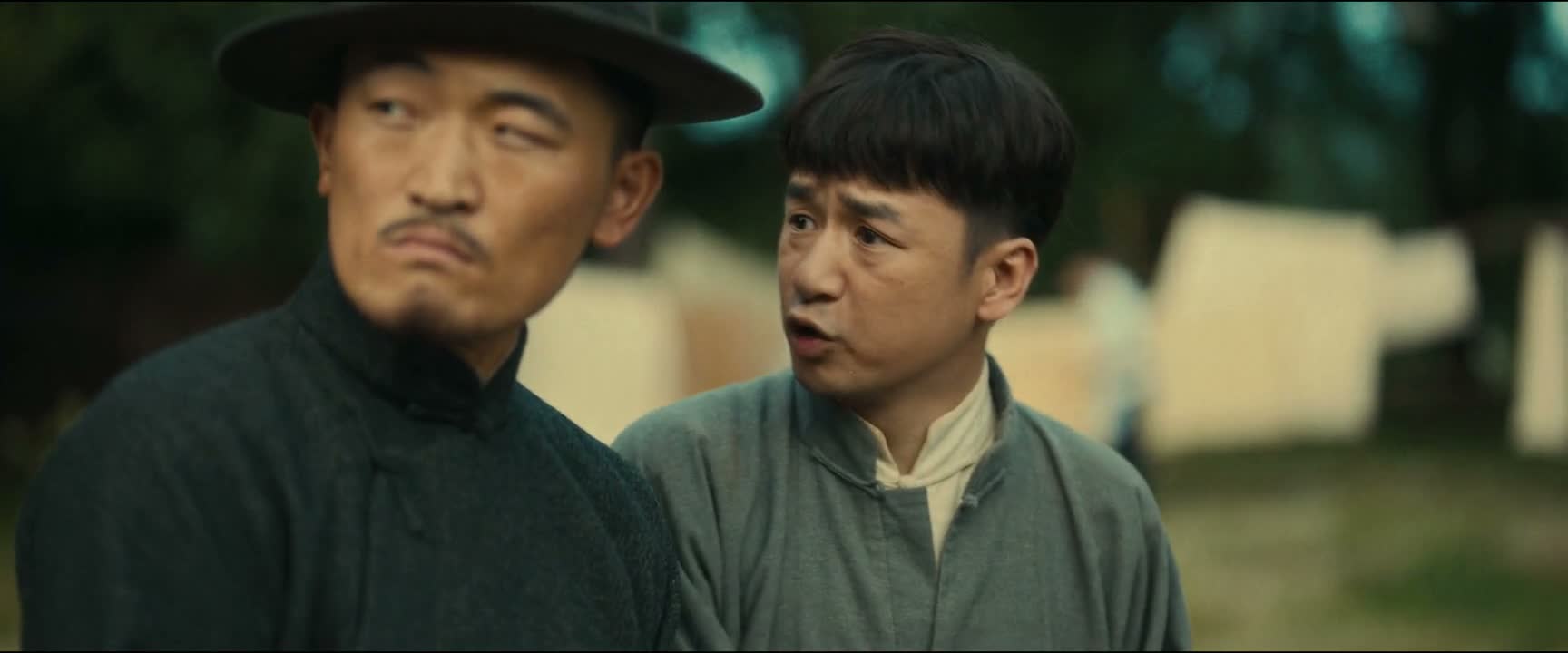
但您待华儿视如己出 又救田家于水火
“you treat me as your own, and saved the Tian family from grave trouble.”
THE DIALOGUE REEL
华儿虽未能正式成为您的儿媳
“although I couldn't become your daughter-in-law for real,”
但您待华儿 视如己出 又救田家 于水火
“you treat me as your own, and saved the Tian family from grave trouble.”
华儿铭感五内
“For that, I'm deeply grateful.”
Direct spoken expression in this communicative setting.
In traditional Chinese culture, treating a prospective daughter-in-law as one's biological kin and rescuing her clan creates a supreme debt of gratitude that warrants formal, lifelong deference.
LEARNING CHUNKS & PARTICLES
to treat someone like one's own child
A classical four-character idiom used to praise foster parents, in-laws, or mentors who treat a non-biological child as their own.
to save someone from dire peril or deep distress
A literary structure used when offering high-level appreciation to someone who rescued a person or group from catastrophe.
VOCABULARY & EXPRESSIONS
Parallel Spoken Cinema Scenes (语义近邻切片)

“Keep a close watch on Ronghua. Yes.”

“I was ignorant before and lost my temper.”

“the future of our family rests on your shoulders.”

“this is the Tian family's retribution. They deserve it.”

“to our Tian family for me to manage!”
“I finally managed to sneak into the Tian family, and have a few comfortable days.”