那我就更不知道了 他应该很快就会 回来了吧
“Then I don't know all the more. He should be back very soon.”
THE DIALOGUE REEL
他手机放在家里
“He left his cell phone at home.”
那我就 更不知道 了 他 应该很快就会 回来了 吧
“Then I don't know all the more. He should be back very soon.”
“You can sit there and wait for him. Don't get in the doorway.”
Direct spoken expression in this communicative setting.
Speakers frequently combine '应该' (should) with the particle '吧' to hedge their statements and avoid taking responsibility if the predicted person does not arrive on time.
LEARNING CHUNKS & PARTICLES
have even less idea
Used to show that recent information eliminates whatever tiny guess one previously had.
will very soon
A staple predictive pattern indicating an event will occur in the near future.
Conveys the change in state regarding the speaker's knowledge based on new input.
Expresses tentative uncertainty, seeking implicit confirmation from the listener.
VOCABULARY & EXPRESSIONS
Parallel Spoken Cinema Scenes (语义近邻切片)
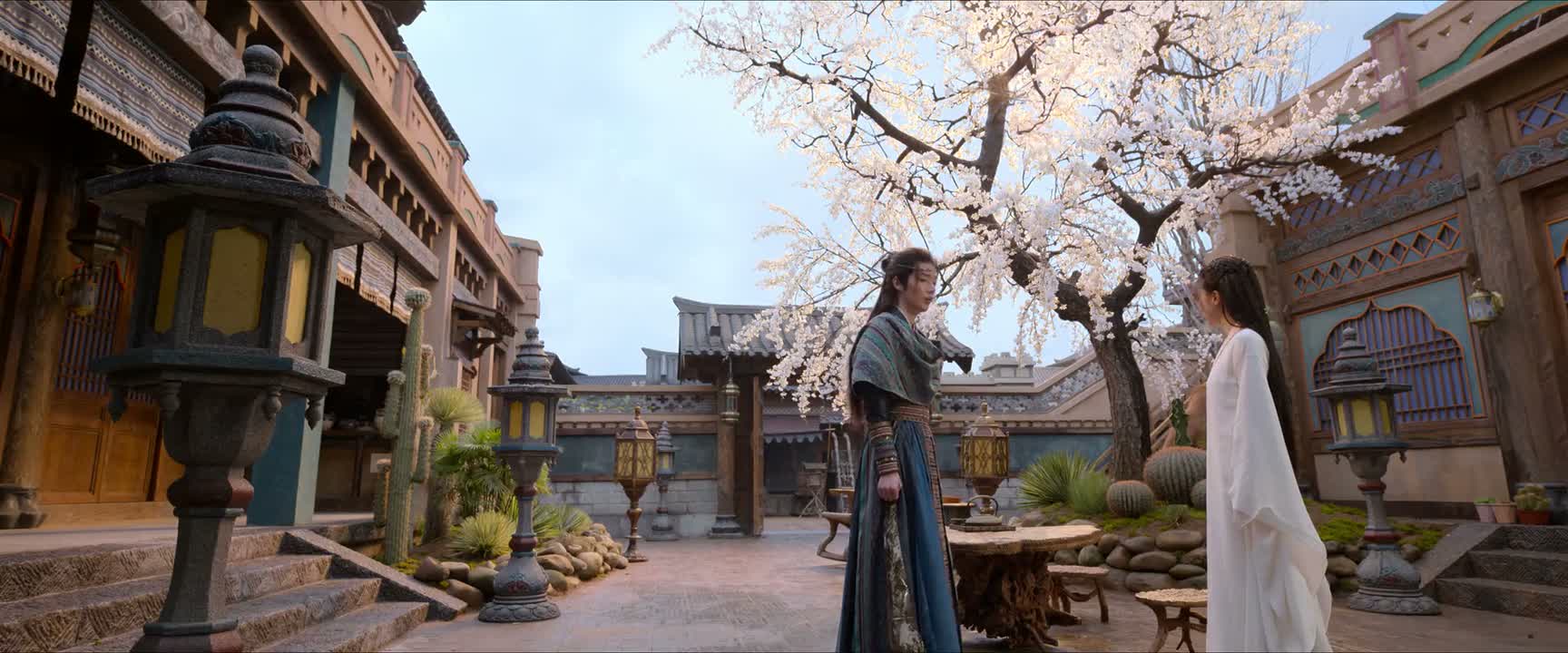
“I guess he should be back soon.”

“I don't know when he'll be back.”

“not sure when she'll be back.”

“I don't know when he'll be back.”