《About Love》 S1·E14 (20:54)
HSK 5
nǐ zài zhè ér nào shén me pí qì ne
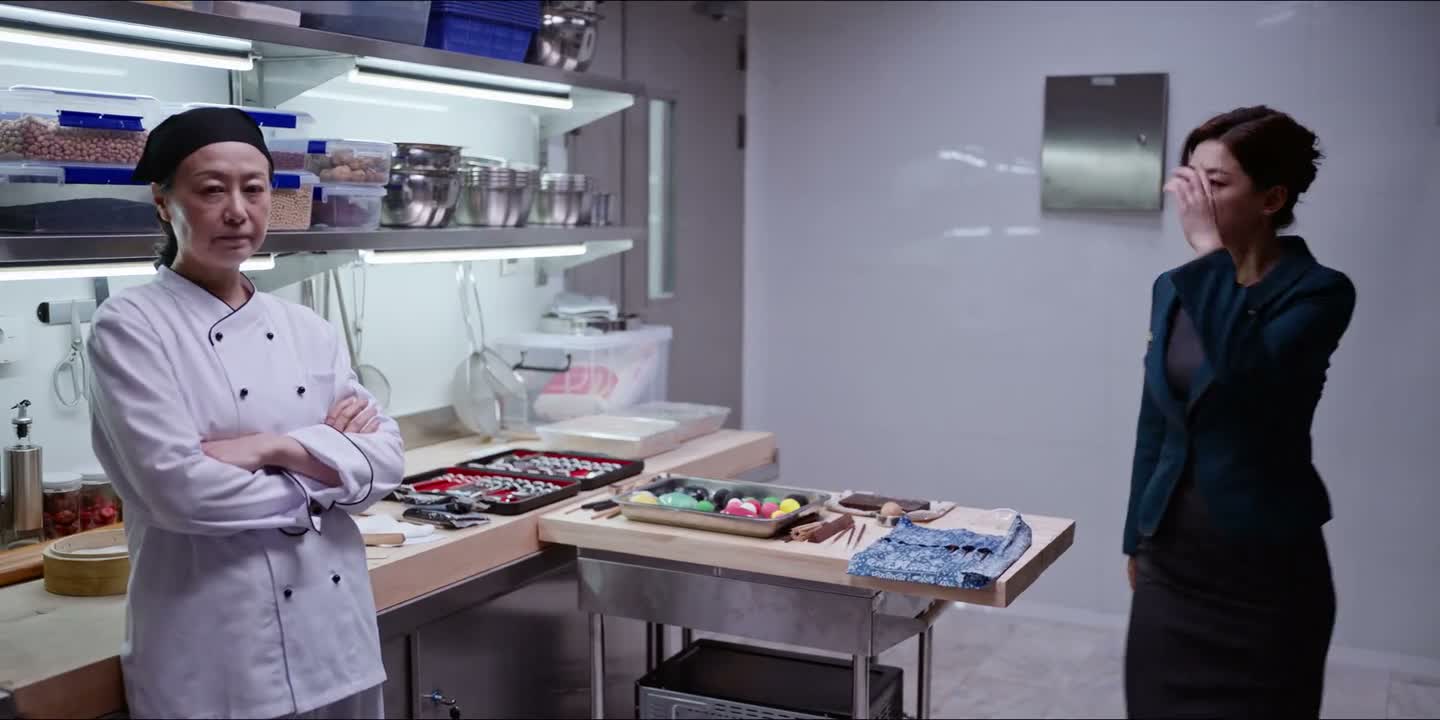
你在这儿闹什么脾气呢
“why are you throwing a fit here?”
《About Love》
S1·E14
TIMECODE: 20:54
·
1080P MASTER AUDIO
THE DIALOGUE REEL
[-1] PREVIOUS TURN
nǐ yào zhēn chéng shú
你要真成熟
“If you were really mature,”
nǐ zài zhè ér nào shén me pí qì ne
CURRENT FOCUS
你 在这 儿 闹什么 脾气 呢
“why are you throwing a fit here?”
Subtitles synced to millisecond timecode
Browse Show Clips →
Scene:
Crisis & Conflict
Function:
CRITICIZING ATTITUDE
Tone:
DISMISSIVE AND CONFRONTATIONAL
Emotion:
IRRITATION
WHAT THEY REALLY MEAN (PRAGMATIC SUBTEXT)
“Stop making a scene over nothing and get over yourself.”
💡 Cultural Insight: Emotional Invalidation via 'Nao Piqi'
Labeling an adult's grievances as '闹脾气' (throwing a tantrum) is a common dismissive tactic that reduces serious emotional objections to childlike unreasonableness.
INTENT TAGS:
#invalidation
#dismissal
#accusation
#criticism
🧩
2 CHUNKS · 1 PARTICLES
LEARNING CHUNKS & PARTICLES
闹脾气
SPOKEN CHUNK
throw a tantrum, act petulant, sulk
Carries an intrinsically pejorative connotation, framing the other person's anger as petty or juvenile.
在这儿
SPOKEN CHUNK
right here / in this situation
Often used emphatically before verbs in arguments to criticize someone's present inappropriate conduct.
Modal Particle「呢」 (ne)
CHANGE OF STATE
Accentuates the ongoing nature of the behavior while intensifying the speaker's interrogative, exasperated tone.
🏮
2 EXPR · 1 GRAMMAR
VOCABULARY & EXPRESSIONS
COLLOQUIAL EXPRESSIONS:
GRAMMAR BLUEPRINTS:
CROSS-CINEMA CORPUS BOARD · PARALLEL SCENES
EXPLORE BY SEMANTIC SIMILARITY
Parallel Spoken Cinema Scenes (语义近邻切片)

《About Love》 S1·E14 (20:54) · Authentic Cinema Dialogue Corpus