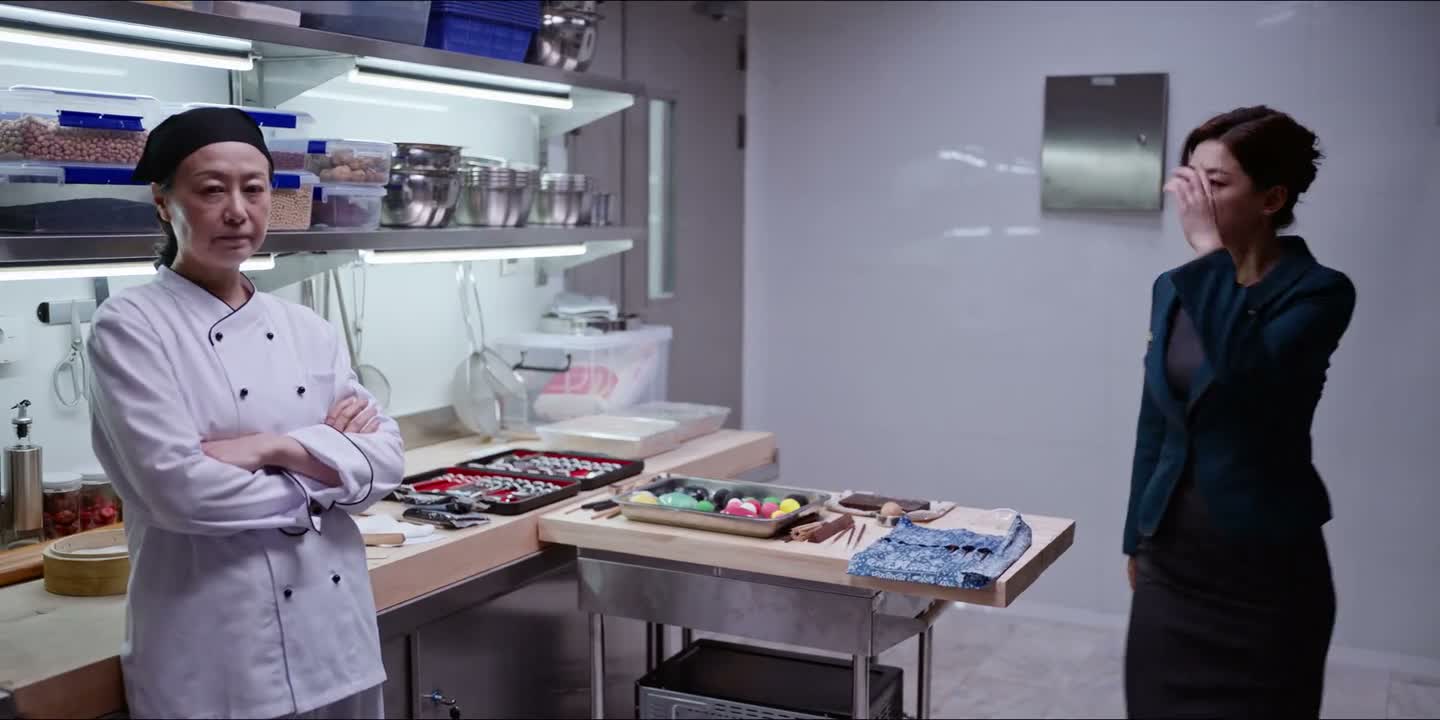
《Generation to Generation》 S1·E4 (23:35)
HSK 4
nǐ yòu zài luàn fà shén me pí qì
你又在乱发什么脾气
“why throw a tantrum?”
《Generation to Generation》
S1·E4
TIMECODE: 23:35
·
1080P MASTER AUDIO
THE DIALOGUE REEL
[-1] PREVIOUS TURN
cháng níng
常宁
“Chang Ning,”
nǐ yòu zài luàn fà shén me pí qì
CURRENT FOCUS
你又在乱发 什么 脾气
“why throw a tantrum?”
[+1] FOLLOW-UP TURN
nǐ zhēn yào tīng nǐ gū gū de huà
你真要听你姑姑的话
“Are you going to listen to your aunt”
Subtitles synced to millisecond timecode
Browse Show Clips →
Scene:
Family & Home
Function:
REPRIMANDING
Tone:
CRITICAL
Emotion:
FRUSTRATION
WHAT THEY REALLY MEAN (PRAGMATIC SUBTEXT)
“Calm down and stop being so unreasonable.”
💡 Cultural Insight: Emotional Restraint in Family Hierarchies
In Chinese domestic dynamics, elder family members expect younger relatives to control their emotions and show deference rather than venting openly.
INTENT TAGS:
#scolding
#chastising
#suppression
#restraint
🧩
2 CHUNKS · 0 PARTICLES
LEARNING CHUNKS & PARTICLES
发脾气
SPOKEN CHUNK
to lose one's temper; to throw a tantrum
A common colloquial phrase used when someone exhibits anger or emotional outbursts.
乱发脾气
SPOKEN CHUNK
to throw an irrational or unjustified tantrum
Use '乱' before a verb to emphasize that the action is inappropriate, disorderly, or unjustified.
🏮
1 EXPR · 2 GRAMMAR
VOCABULARY & EXPRESSIONS
COLLOQUIAL EXPRESSIONS:
CROSS-CINEMA CORPUS BOARD · PARALLEL SCENES
EXPLORE BY SEMANTIC SIMILARITY
Parallel Spoken Cinema Scenes (语义近邻切片)

《Generation to Generation》 S1·E4 (23:35) · Authentic Cinema Dialogue Corpus