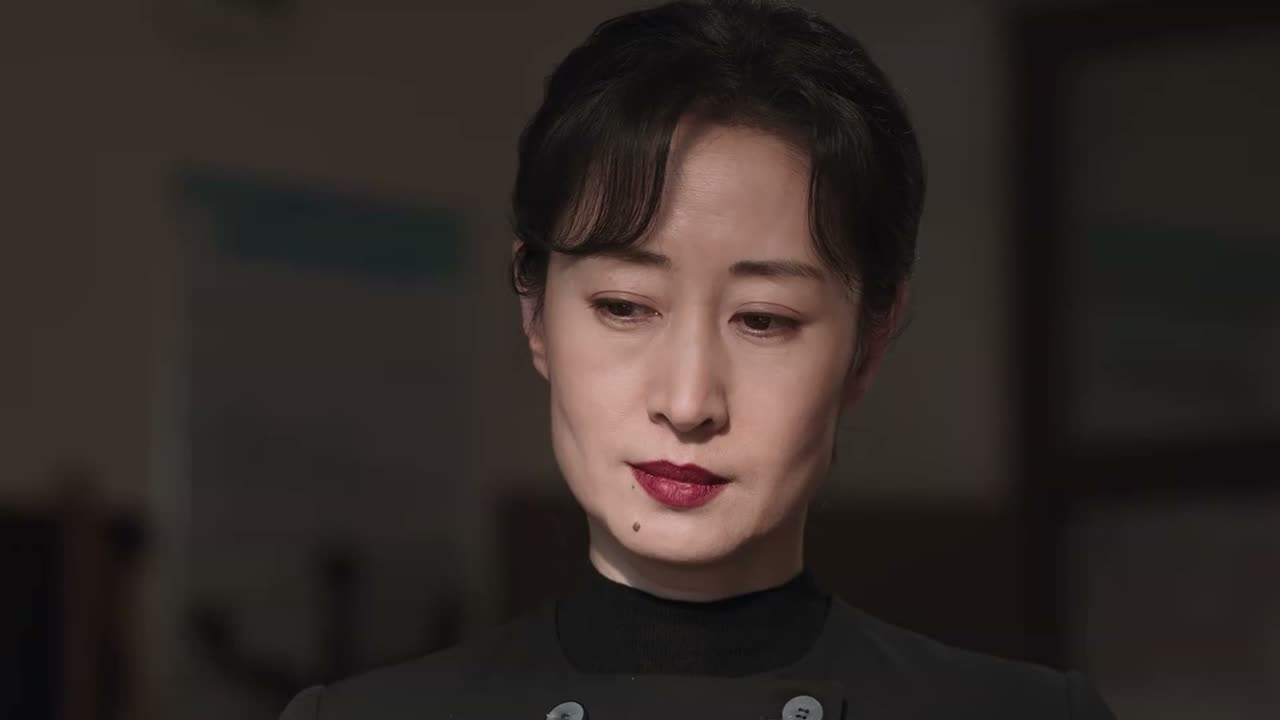
那些举报材料 不都是你们递上去的吗
“Those whistleblowing materials, didn't you submit them?”
THE DIALOGUE REEL
什么意思
“What do you mean?”
那些 举报 材料 不都是 你们 递上去的 吗
“Those whistleblowing materials, didn't you submit them?”
别再演了
“Stop acting.”
“Stop playing dumb; you and I both know you are the ones behind this.”
Submitting whistleblower or complaint materials ('jubao') to higher authorities or disciplinary bodies is a powerful and serious method of political or legal combat in Chinese organizational culture.
LEARNING CHUNKS & PARTICLES
whistleblowing reports / tip-off materials
Commonly used in legal, police, or corporate integrity contexts to refer to dossiers of evidence submitted against wrongdoers.
to submit up the hierarchy
Used when submitting reports, petitions, or documents to higher authorities or leadership.
Used at the end of the rhetorical question to strongly prompt an admission of guilt.
VOCABULARY & EXPRESSIONS
Parallel Spoken Cinema Scenes (语义近邻切片)

“So I need to file the complaint.”

“and the political and legal police. Please have a look. That urgent?”

“I told you the report letter was fake;”

“What's more troublesome now is these letters”

“in an accusation letter and sent it to the province.”
“I've written a complaint letter.”