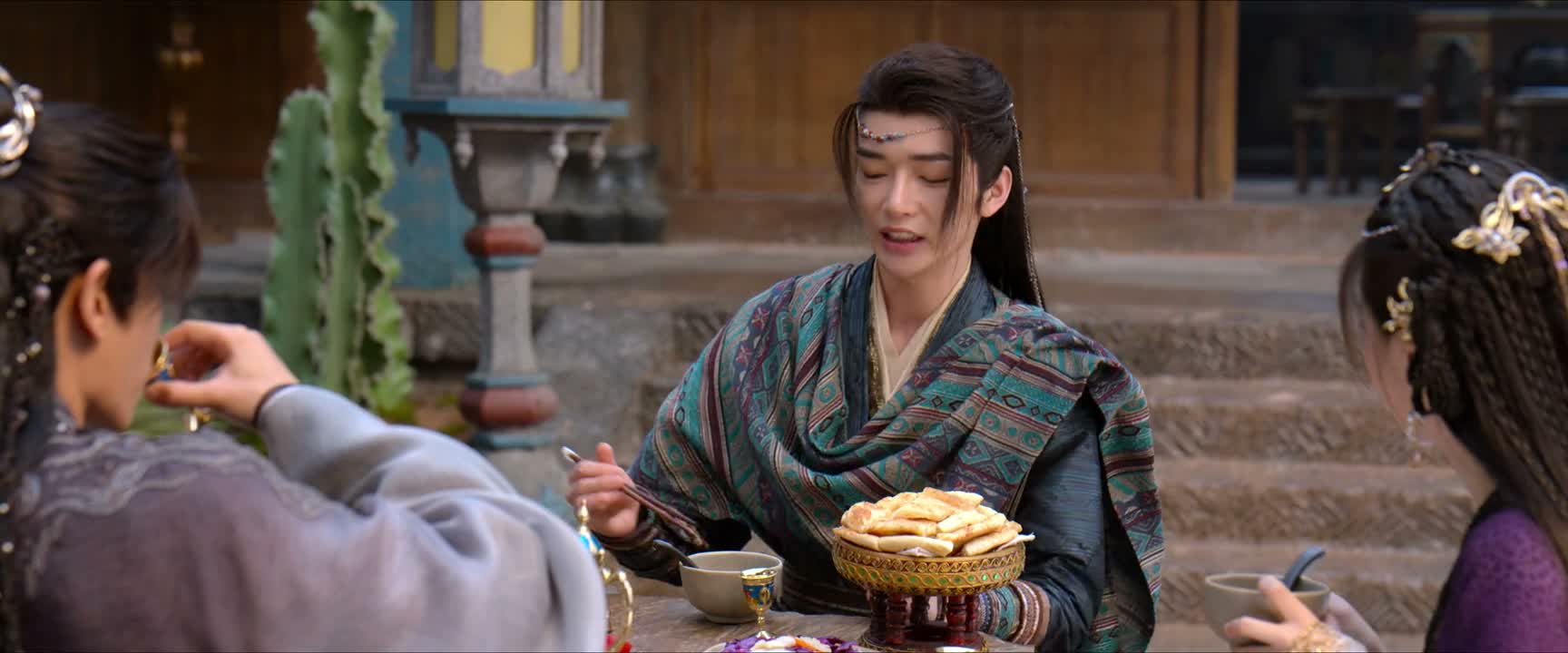
情种 你天天跟情种学啥了
“Love-sick fool? What have you learned from that love-sick fool?”
THE DIALOGUE REEL
情种 你 天天 跟 情种 学啥了
“Love-sick fool? What have you learned from that love-sick fool?”
“You're throwing your brother into the fire!”
“You're acting like an idiot who watches too many soap operas—wake up!”
Close male friends in Chinese culture often use blunt, teasing, and mock-aggressive language to pull each other out of foolish or overly idealistic decisions.
LEARNING CHUNKS & PARTICLES
hopeless romantic / deeply passionate lover
A colloquial term that can be admiring or, more often, playfully derisive toward someone excessively sentimental.
what did [you] learn (Northern colloquial for 学什么了)
Spoken northern dialect form often used rhetorically to mean 'you learned nothing good'.
Marks the culmination of bad habits accumulated over time, adding exasperation.
VOCABULARY & EXPRESSIONS
Parallel Spoken Cinema Scenes (语义近邻切片)

“is affectionate. He's romantic, right? Right, right.”

“Besides, matters of the heart are always mutual.”

“Looks like it's just for show. Right?”

“Turns out she's making her husband's last meal.”

“I didn't know you're such a romantic”
“Love is a deadly poison.”