MC
MandarinClips Cinema Corpus
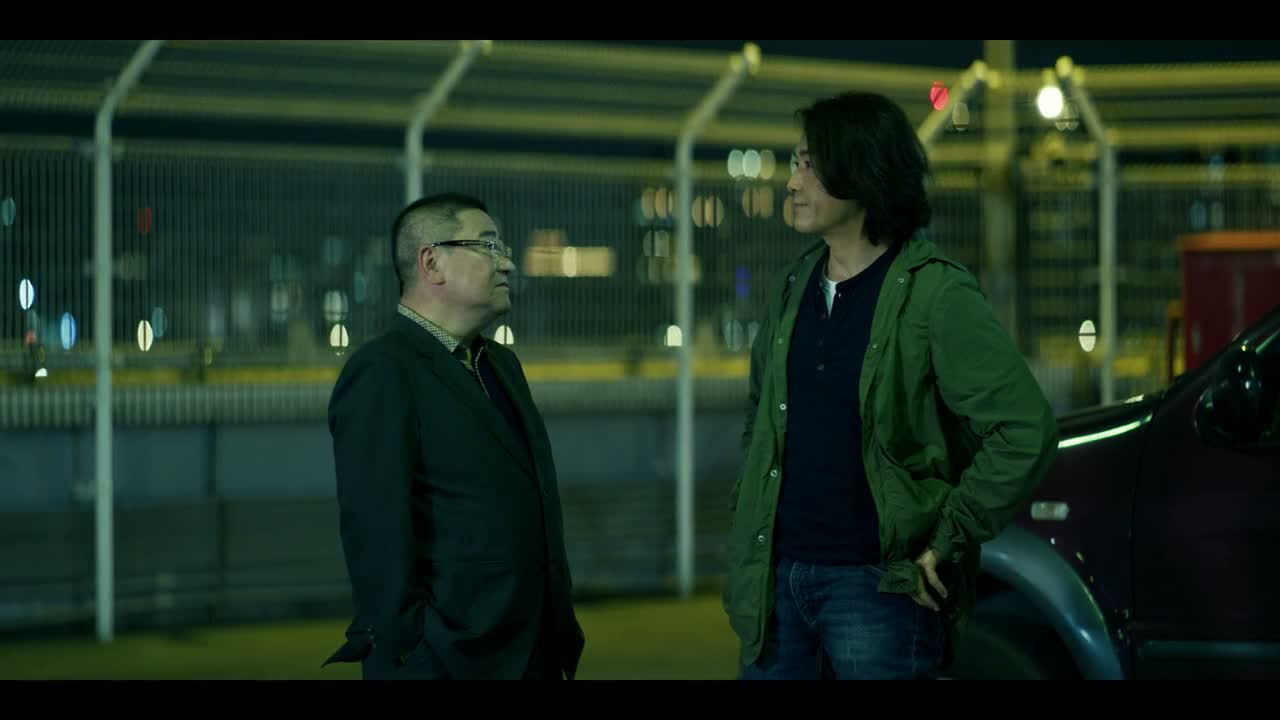
《Love Story in the 1970s》 S1·E16 (17:56) HSK 2
liú wěi nǐ bù jiù shì xiǎng wèn zhè ge ma

刘伟 你不就是想问这个吗

“Liu Wei, isn't that what you wanted to ask?”

《Love Story in the 1970s》 S1·E16
TIMECODE: 17:56 · 1080P MASTER AUDIO

THE DIALOGUE REEL

1+1+1 SPOKEN CONTINUITY
[-1] PREVIOUS TURN wǒ shì kào tā cái yǒu zī gé jìn xiàng mù zǔ

“I got into the project team because of him.”

liú wěi nǐ bù jiù shì xiǎng wèn zhè ge ma CURRENT FOCUS

刘伟 你不就是想 问 这个 吗

“Liu Wei, isn't that what you wanted to ask?”

[+1] FOLLOW-UP TURN nǐ xiǎng bù tōng yǐ wǒ zhè yàng de shēn fèn lián nǐ de nǚ péng yǒu dōu bù pèi zuò

你想不通 以我这样的身份 连你的女朋友都不配做

“You can't understand with my background, I wasn't even worthy of being your girlfriend,”

Subtitles synced to millisecond timecode Browse Show Clips →
Scene: Crisis & Conflict
Function: CHALLENGING ASSUMPTION
Tone: CONFRONTATIONAL
Emotion: FRUSTRATION
WHAT THEY REALLY MEAN (PRAGMATIC SUBTEXT)
“Stop pretending; I know you look down on how I got here.”
💡 Cultural Insight: Calling Out Hidden Doubts

In Chinese interpersonal communication, directly laying bare someone's unspoken suspicion often signals that the relationship has reached a boiling point where politeness is discarded.

INTENT TAGS: #provocation #confrontation #calling_out #defiance
🧩

LEARNING CHUNKS & PARTICLES

1 CHUNKS · 1 PARTICLES
不就是……吗 SPOKEN CHUNK

isn't it simply... / isn't it just...

A rhetorical pattern used to point out the obvious or call out someone's hidden intention bluntly.

Modal Particle「吗」 (ma) CHANGE OF STATE

Forms a rhetorical question that aggressively demands confirmation rather than seeking genuine information.
🏮

VOCABULARY & EXPRESSIONS

2 EXPR · 2 GRAMMAR
CROSS-CINEMA CORPUS BOARD · PARALLEL SCENES

Parallel Spoken Cinema Scenes (语义近邻切片)

EXPLORE BY SEMANTIC SIMILARITY
《Love Story in the 1970s》 S1·E16 (17:56) · Authentic Cinema Dialogue Corpus