那你能看见小熊座吗
“Can you see Ursa Minor?”
THE DIALOGUE REEL
那不在那呢吗
“Aren't they right there?”
那 你能 看见 小熊座 吗
“Can you see Ursa Minor?”
你别着急啊
“Don't panic.”
Direct spoken expression in this communicative setting.
Pointing out constellations is a classic trope in modern Chinese romantic scenes to build intimacy and shared wonder.
LEARNING CHUNKS & PARTICLES
Ursa Minor (Little Bear constellation)
The standard astronomical and conversational term for the constellation Little Dipper/Ursa Minor.
Marks a standard yes-no question with a neutral, inquiring attitude.
VOCABULARY & EXPRESSIONS
Parallel Spoken Cinema Scenes (语义近邻切片)

“The North Star is one of its feet.”
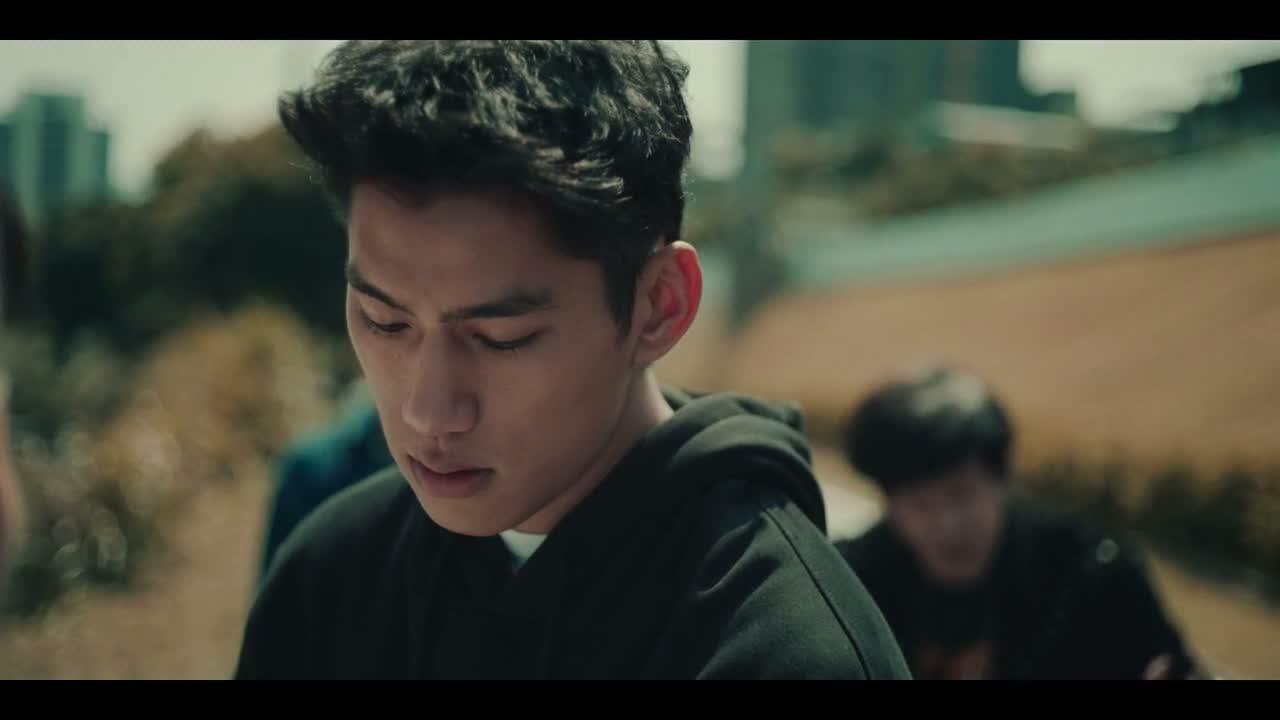
“Why are you so obsessed with this bear anyway?”
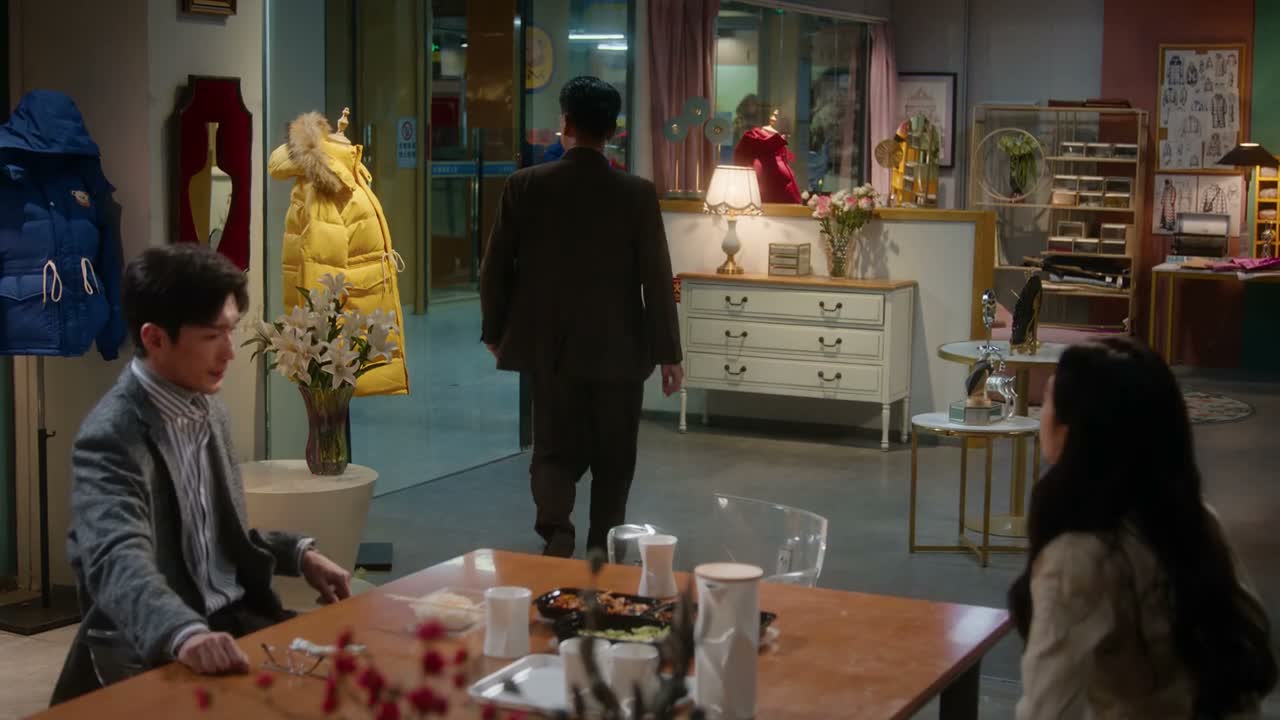
“Look at him. It's quite cute.”

“You're bundled up like a bear.”
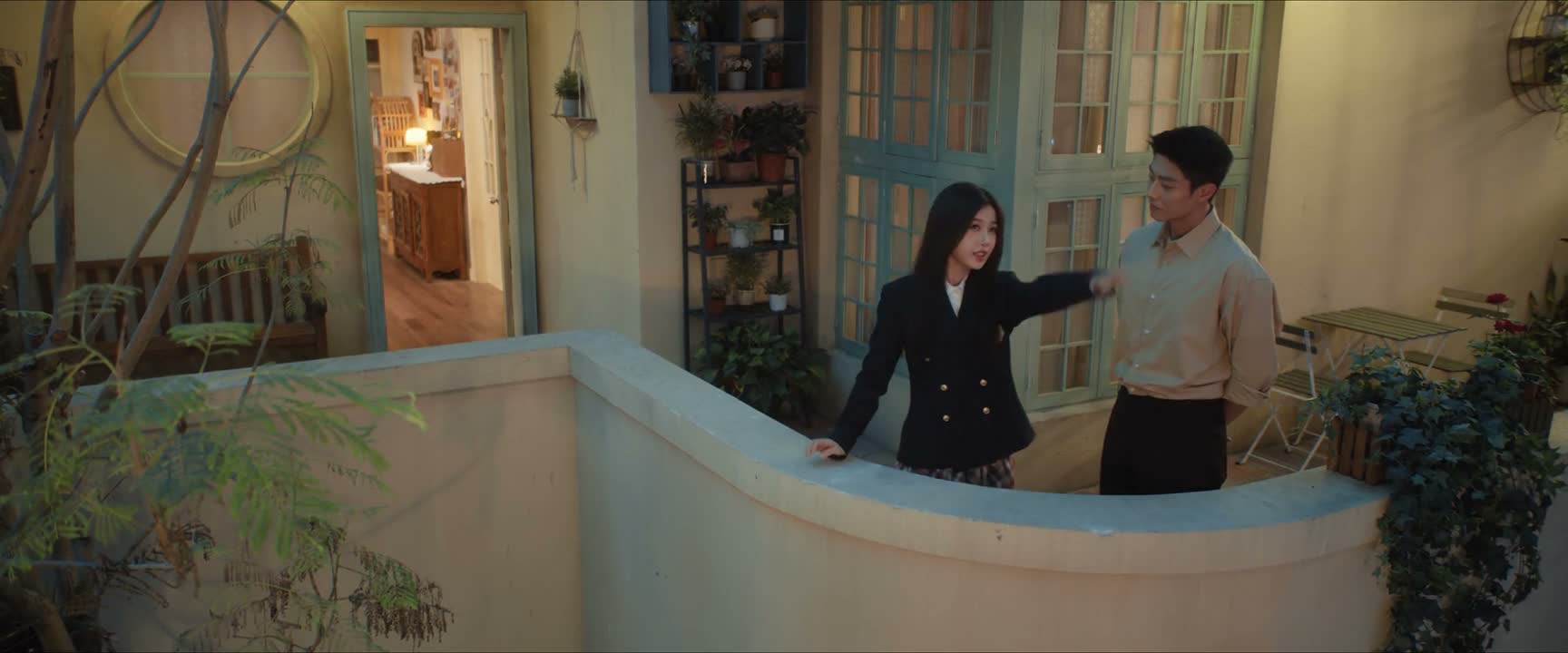
“Do you see the brightest star over there?”

“These stars connected together form a little bear.”