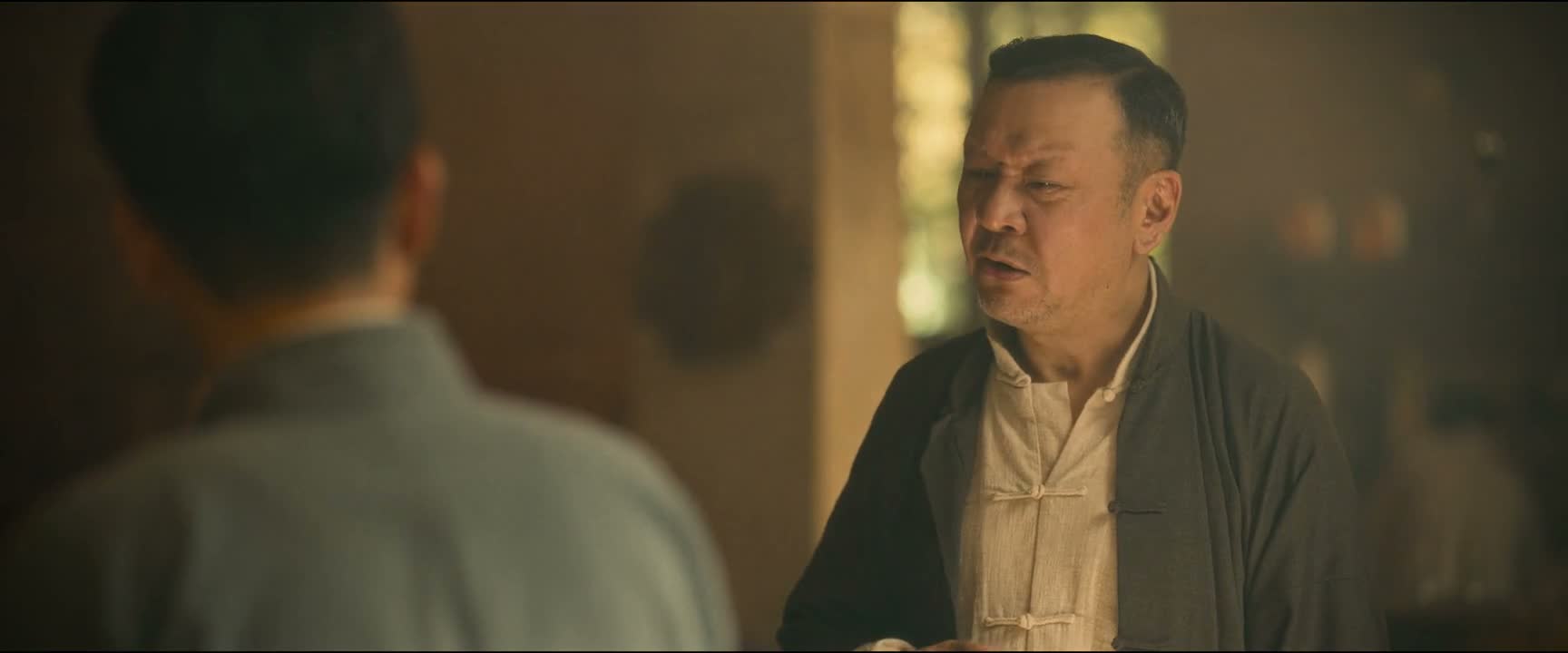
污秽不堪的屋子
“how to clean a filthy room?”
THE DIALOGUE REEL
你可知该如何打扫一间
“do you know”
污秽不堪 的屋子
“how to clean a filthy room?”
如何
“How?”
“Think carefully about how one handles an utterly degenerate environment.”
In traditional Chinese philosophical dialogues, sweeping or cleaning dirty spaces often serves as a metaphor for spiritual purification or purging social evils.
LEARNING CHUNKS & PARTICLES
utterly filthy; morally or physically repugnant
An advanced formal set phrase used to describe extreme dirtiness, corruption, or degradation.
VOCABULARY & EXPRESSIONS
Parallel Spoken Cinema Scenes (语义近邻切片)

“the room was not merely filthy.”

“This house looks dilapidated.”

“at an hour where they should be lit up.”

“The room is cold and damp. The clothes smell musty. Is there no place to air and dry them?”

“Everything here is unpresentable and vulgar.”
“It's a waste of food.”