之后他走进结格巷 出来的时候 手里拿一个
“Then he walked into Jiege Lane. When he came out, he was holding”
THE DIALOGUE REEL
“ten minutes before the accident, his car stopped here for 3 minutes.”
之后他 走进 结格巷 出来 的时候 手里 拿一个
“Then he walked into Jiege Lane. When he came out, he was holding”
“a black travel bag, and then drove away.”
Direct spoken expression in this communicative setting.
In professional law enforcement reporting in China, officers use precise sequential temporal markers (出事前, 之后, 出来的时候) to reconstruct crime events clearly.
LEARNING CHUNKS & PARTICLES
holding in one's hand
A common descriptive structure used in narrative observation to depict an ongoing state.
when coming out; at the time of exiting
A basic temporal clause marker commonly used to structure sequential storytelling.
VOCABULARY & EXPRESSIONS
Parallel Spoken Cinema Scenes (语义近邻切片)

“And now you dared to come here?”

“Find them, and you'll know how they disappear.”

“What if something goes wrong? He won't recover from it for life.”

“Why did you have a detour to pick me up?”
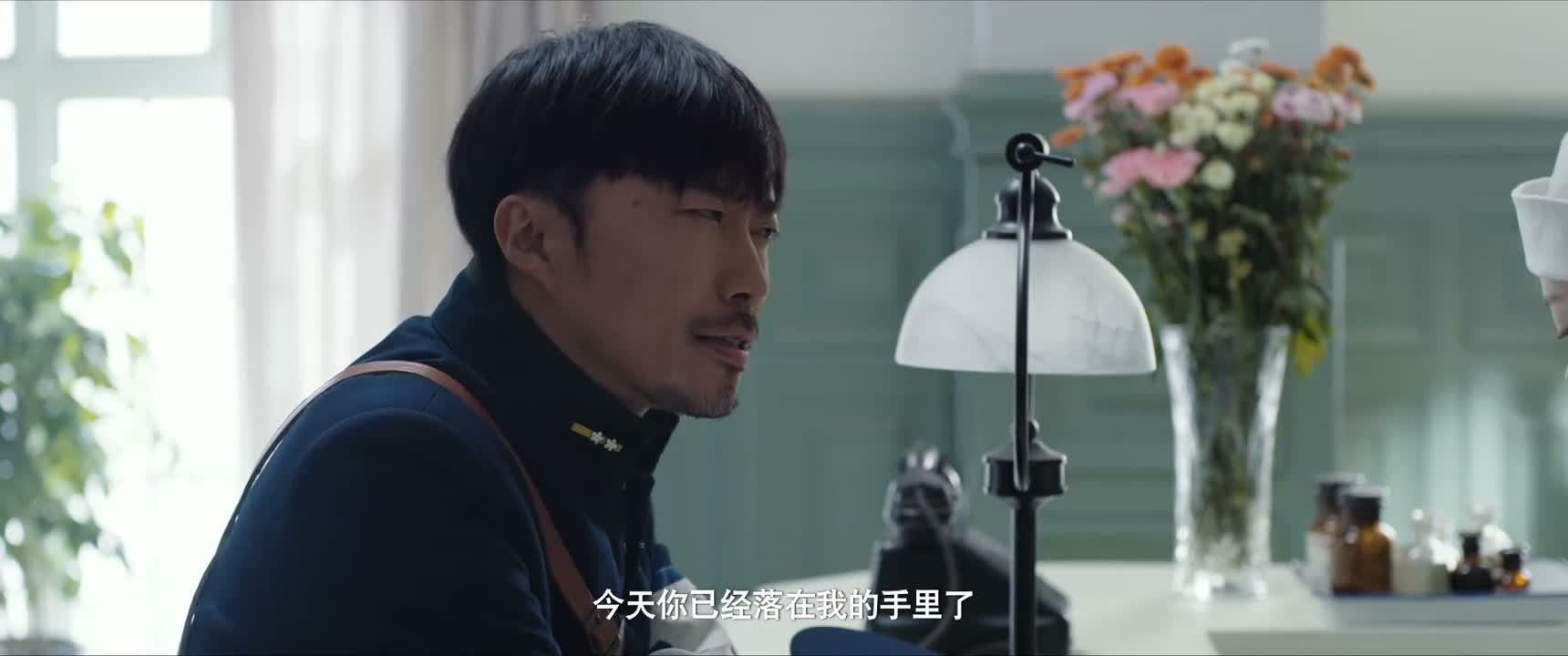
“Today, you've fallen into my hands.”

“But now you've made it out through your own effort—”