MC
MandarinClips Cinema Corpus
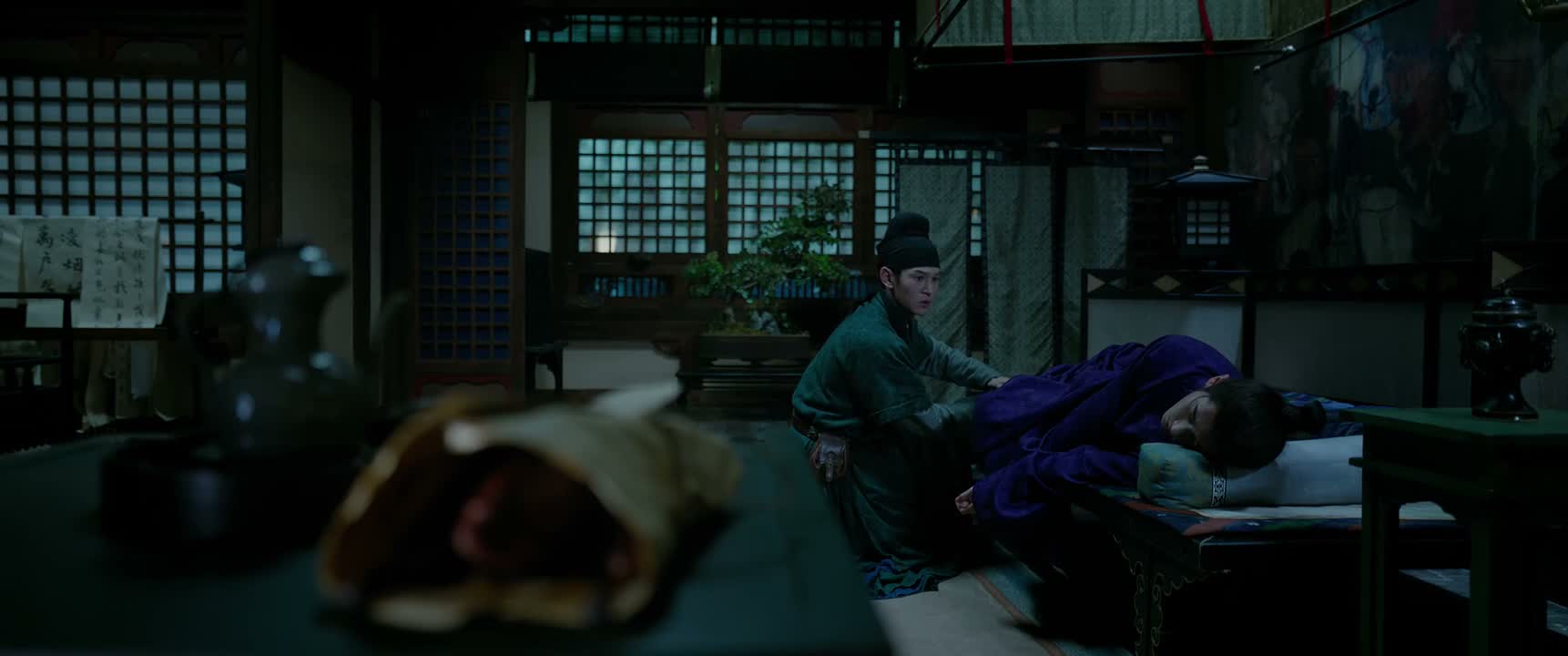
《Go Ahead》 S1·E29 (15:38) HSK 5
nà nǐ jiù shuō fēn shǒu le wǒ bú yào nǐ le xíng le ba

那你就说分手了 我不要你了 行了吧

“Tell them we've broken up. I've dumped you. OK?”

《Go Ahead》 S1·E29
TIMECODE: 15:38 · 1080P MASTER AUDIO

THE DIALOGUE REEL

1+1+1 SPOKEN CONTINUITY
[-1] PREVIOUS TURN tā yǐ jīng bǎ nǐ zhào piān ná chū qù xuàn yào yī quān le

她已经把你照片 拿出去炫耀一圈了

“Because she has shown the photo of you to many people.”

nà nǐ jiù shuō fēn shǒu le wǒ bú yào nǐ le xíng le ba CURRENT FOCUS

那你 就说 分手了 我不要 你了 行了吧

“Tell them we've broken up. I've dumped you. OK?”

[+1] FOLLOW-UP TURN bú shì nǐ

不是 你

“Wait. You...”

Subtitles synced to millisecond timecode Browse Show Clips →
Scene: Crisis & Conflict
Function: IMPATIENT DISMISSAL
Tone: IMPATIENT
Emotion: FRUSTRATION
WHAT THEY REALLY MEAN (PRAGMATIC SUBTEXT)
“Just tell her whatever you want so you'll finally leave me alone!”
💡 Cultural Insight: Take the Blame to End Conflict

In Chinese interpersonal arguments, a speaker may deliberately invite negative rumors or take the blame just to escape overwhelming emotional badgering.

INTENT TAGS: #dismissal #exasperation #cutting_ties #defensiveness
🧩

LEARNING CHUNKS & PARTICLES

2 CHUNKS · 2 PARTICLES
行了吧 SPOKEN CHUNK

is that enough / will that do

Commonly used in spoken Chinese to shut down complaints or end a nagging confrontation with exasperation.

分手了 SPOKEN CHUNK

broken up

Standard conversational term for ending a romantic relationship.

Modal Particle「吧」 (ba) CHANGE OF STATE

Used rhetorically to express exasperation and demand concession to end the dispute.

Modal Particle「了」 (le) CHANGE OF STATE

Marks completed status or sudden realization/change of state in casual speech.
🏮

VOCABULARY & EXPRESSIONS

4 EXPR · 0 GRAMMAR
CROSS-CINEMA CORPUS BOARD · PARALLEL SCENES

Parallel Spoken Cinema Scenes (语义近邻切片)

EXPLORE BY SEMANTIC SIMILARITY
《Go Ahead》 S1·E29 (15:38) · Authentic Cinema Dialogue Corpus