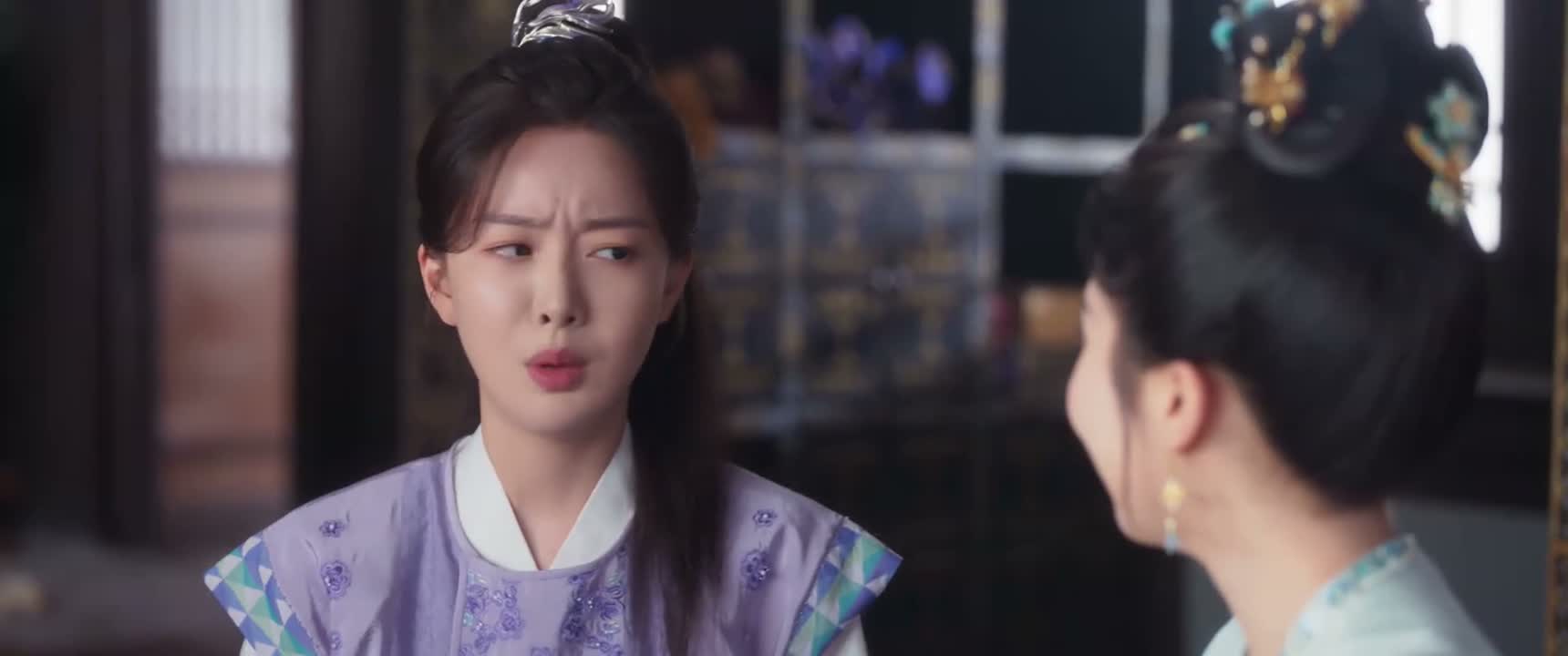
我一番好心啊 哥
“I meant well, Brother!”
THE DIALOGUE REEL
“Stay quietly in the house and don't go out to cause trouble!”
我 一番好心 啊 哥
“I meant well, Brother!”
你今日这一去
“You went there today.”
“Stop scolding me! I was only trying to help you, not cause trouble!”
In Chinese interpersonal ethics, invoking 'good intentions' (好心) is a standard defense to mitigate fault when an action causes collateral trouble.
LEARNING CHUNKS & PARTICLES
a bundle of good intentions; purely out of kindness
Commonly used to defend oneself when a well-meaning act leads to unintended trouble or complaints.
cause trouble; stir up disputes
A set phrase used to criticize someone for disturbing peace or provoking unnecessary conflict.
Amplifies the speaker's emotional plea and sense of feeling wronged.
VOCABULARY & EXPRESSIONS
Parallel Spoken Cinema Scenes (语义近邻切片)
“I just did it out of kind intentions.”

“you would show such kindness to a rookie?”

“I appreciate your kindness.”

“[I took care of you for several times.]”

“I'm trying to help you!”

“We are... doing this in good faith.”