MC
MandarinClips Cinema Corpus
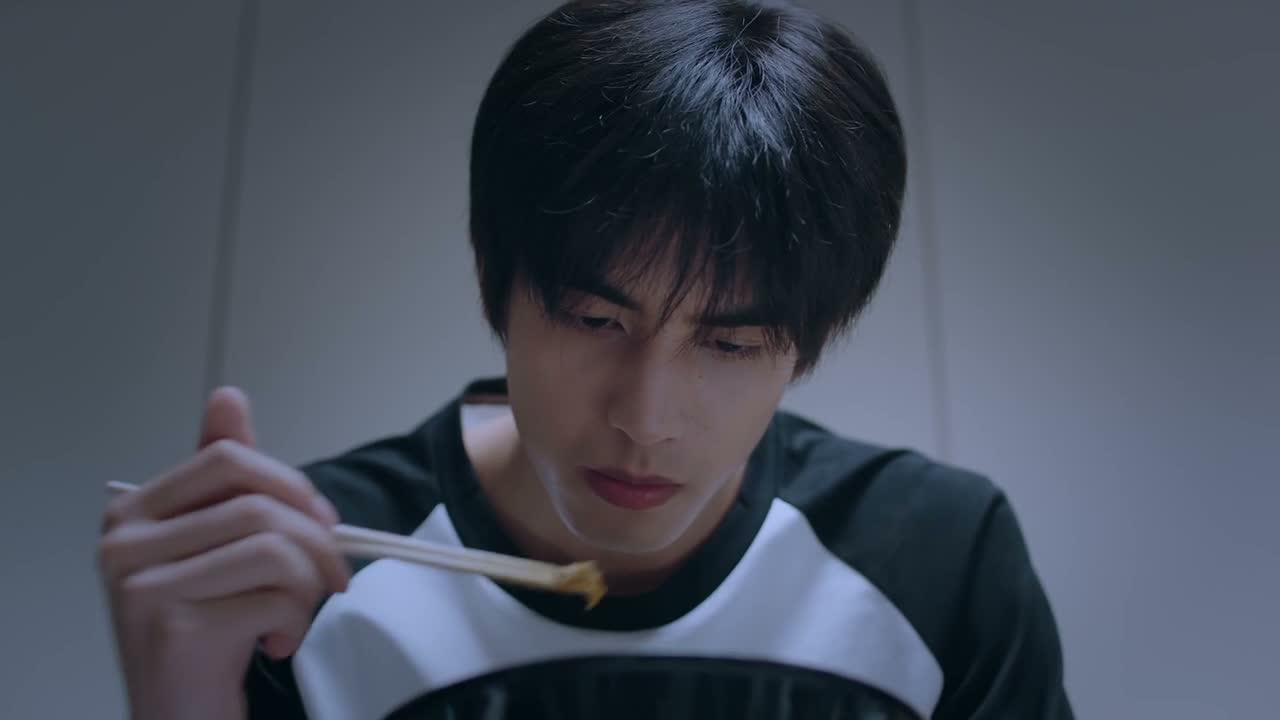
《The Heir》 S1·E34 (09:37) HSK 4
nǐ ān ān shēng shēng dài zài wū lǐ bú yào chū mén rě shì shēng fēi

你安安生生待在屋里 不要出门惹是生非

“Stay quietly in the house and don't go out to cause trouble!”

《The Heir》 S1·E34
TIMECODE: 09:37 · 1080P MASTER AUDIO

THE DIALOGUE REEL

1+1+1 SPOKEN CONTINUITY
[-1] PREVIOUS TURN shuí ràng nǐ qù de wǒ gēn nǐ shuō guò duō shǎo biàn zuì jìn fēng shēng jǐn

谁让你去的 我跟你说过多少遍 最近风声紧

“Who told you to go? How many times have I told you? Things are tense recently.”

nǐ ān ān shēng shēng dài zài wū lǐ bú yào chū mén rě shì shēng fēi CURRENT FOCUS

你 安安生生 待在 屋里 不要 出门 惹是生非

“Stay quietly in the house and don't go out to cause trouble!”

[+1] FOLLOW-UP TURN wǒ yī fān hǎo xīn a gē

“I meant well, Brother!”

Subtitles synced to millisecond timecode Browse Show Clips →
Scene: Family & Home
Function: ORDERING AND RESTRICTING
Tone: STERN
Emotion: ANGER
WHAT THEY REALLY MEAN (PRAGMATIC SUBTEXT)

Direct spoken expression in this communicative setting.

💡 Cultural Insight: Changxiong Ru Fu (Elder Brother as Father)

In traditional Chinese family structure, an elder brother carries legitimate disciplinary authority over younger siblings, especially in times of family peril.

INTENT TAGS: #reprimand #prohibition #protection #discipline
🧩

LEARNING CHUNKS & PARTICLES

2 CHUNKS · 0 PARTICLES
安安生生 SPOKEN CHUNK

peacefully; quietly; behaving oneself without causing trouble

A reduplicated colloquial adverb often used by elders when demanding obedience or peace.

惹是生非 SPOKEN CHUNK

to stir up trouble; to provoke disputes

A set phrase used to criticize reckless actions that attract unnecessary danger or conflict.
🏮

VOCABULARY & EXPRESSIONS

4 EXPR · 0 GRAMMAR
CROSS-CINEMA CORPUS BOARD · PARALLEL SCENES

Parallel Spoken Cinema Scenes (语义近邻切片)

EXPLORE BY SEMANTIC SIMILARITY
《The Heir》 S1·E34 (09:37) · Authentic Cinema Dialogue Corpus