我弟弟这个人从小散漫惯了 鬼主意又多
“My brother's always been carefree, full of tricks.”
THE DIALOGUE REEL
那你就别去了
“Then don't.”
我弟弟 这个人 从小 散漫惯了 鬼主意 又多
“My brother's always been carefree, full of tricks.”
你不会喜欢他的
“You wouldn't like him.”
“Don't bother meeting him; he will only give you trouble and you will hate him.”
Chinese speakers often deliberately criticize or downplay their own relatives' traits beforehand to manage expectations and avert future awkwardness or conflict.
LEARNING CHUNKS & PARTICLES
accustomed to being undisciplined or lax
Use this spoken structure (verb/adjective + 惯了) to describe an ingrained, habitual tendency in someone's behavior.
wily schemes; mischievous ideas
Used affectionately or critically to describe someone clever, unconventional, or tricky.
Indicates a state that has become habitual and deeply entrenched over time.
VOCABULARY & EXPRESSIONS
Parallel Spoken Cinema Scenes (语义近邻切片)

“are you going to let your brother make a scene here?”

“My brother... He's never done anything to be proud of.”

“His brother is not good. He is the opposite of him.”
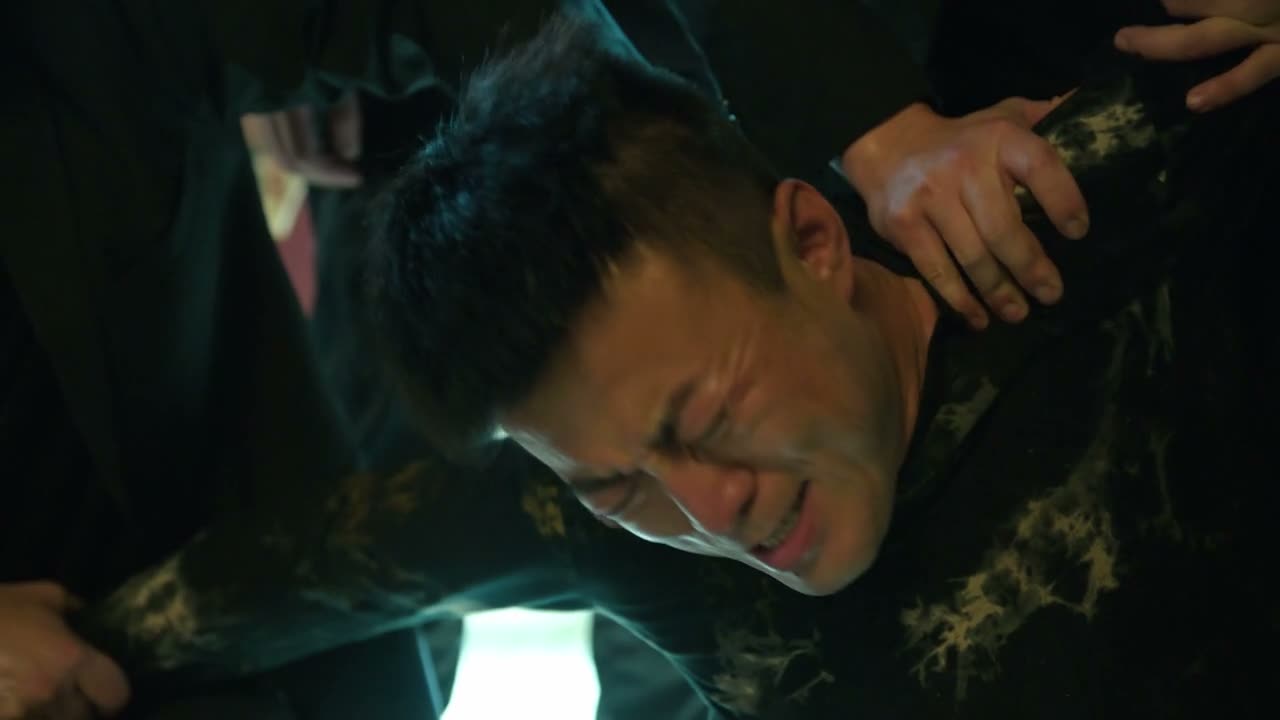
“Just spare my brother's life.”

“If I hadn't found my brother, that would be one thing.”

“Your brother has a girlfriend now.”