他不是去学校找你了吗
“Didn't he go to school to see you?”
THE DIALOGUE REEL
他人呢
“Where is he?”
他 不是去学校找你了吗
“Didn't he go to school to see you?”
“How did you know that? Qi Mingyue saw it.”
“Why are you asking me? He went looking for you; you two should have met already.”
Chinese speakers often answer a factual query with a negative rhetorical question ('Isn't it...?') to prompt the listener to rethink what they should already know.
LEARNING CHUNKS & PARTICLES
didn't... already?; isn't it the case that...
A rhetorical question pattern used to confirm a prior assumption or express disbelief that an expected event did not happen.
to go look for you; to visit you
Standard conversational phrasing for going somewhere to meet someone.
Transforms the statement into a rhetorical question expressing surprise and confirmation-seeking.
VOCABULARY & EXPRESSIONS
Parallel Spoken Cinema Scenes (语义近邻切片)

“...to have seen you at school much.”

“He wasn't targeting you anyway.”

“Didn't he ask you to come to the fish market with him?”

“Yes, I went to see him.”

“Then why did you go to him today?”
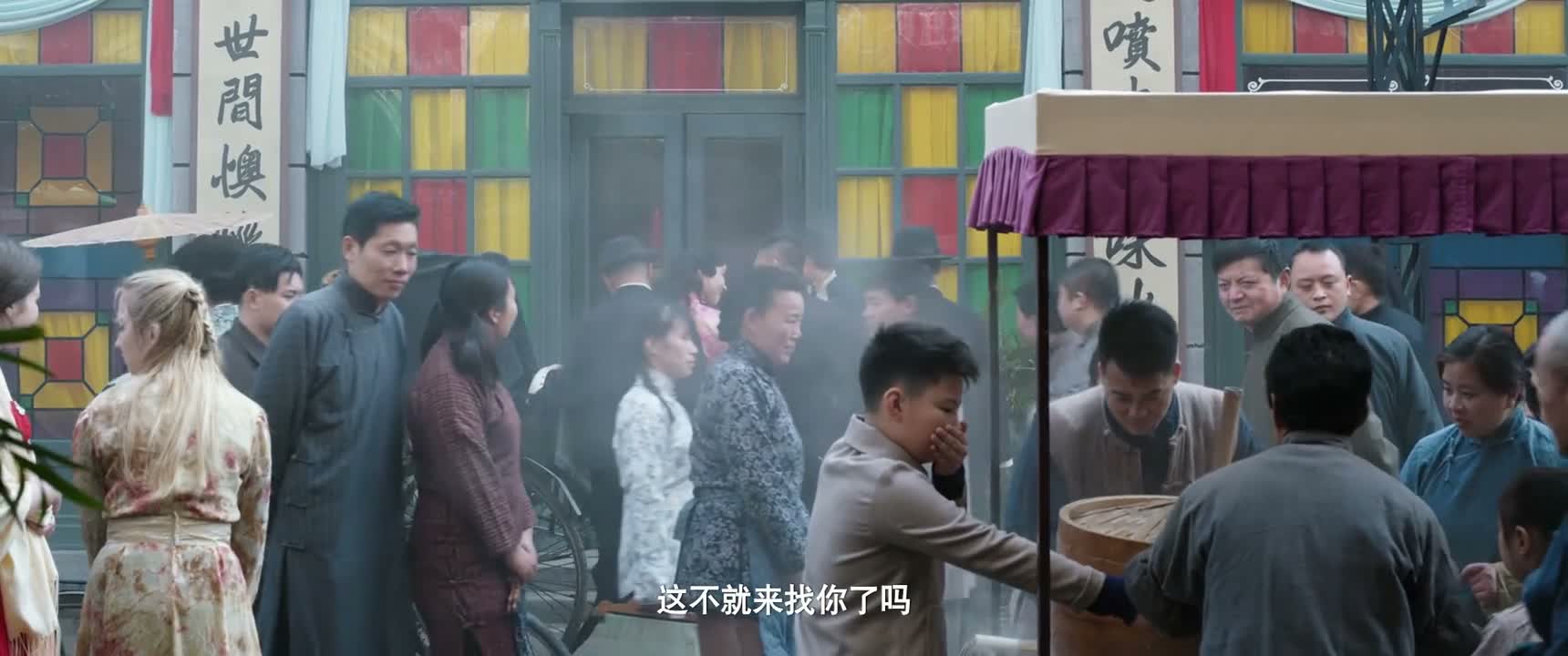
“Aren't I here to see you now?”