MC
MandarinClips Cinema Corpus
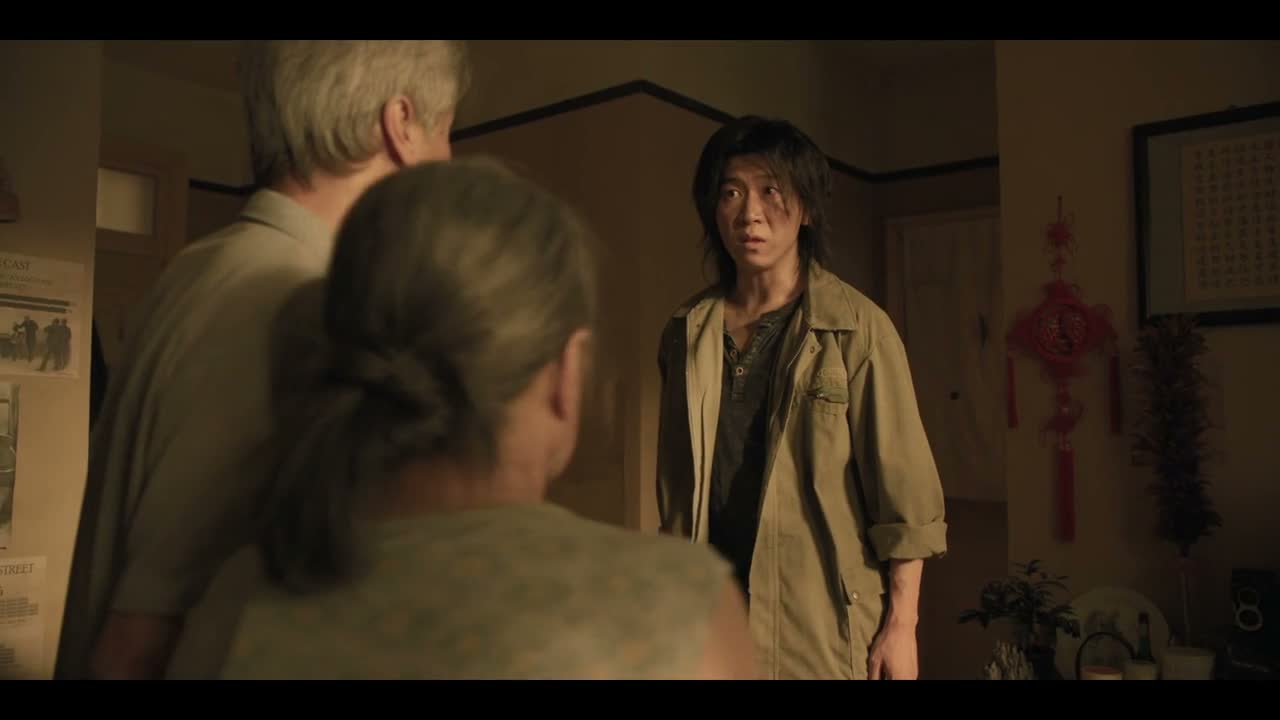
《River Sunset》 S1·E23 (37:50) HSK 2
zhè bù jiù lái zhǎo nǐ le ma

这不就来找你了吗

“Aren't I here to see you now?”

《River Sunset》 S1·E23
TIMECODE: 37:50 · 1080P MASTER AUDIO

THE DIALOGUE REEL

1+1+1 SPOKEN CONTINUITY
[-1] PREVIOUS TURN nǐ qù nǎ ér le a

你去哪儿了啊

“Where have you been?”

zhè bù jiù lái zhǎo nǐ le ma CURRENT FOCUS

这不就来找你了吗

“Aren't I here to see you now?”

[+1] FOLLOW-UP TURN zhēn shì de

真是的

“Honestly.”

Subtitles synced to millisecond timecode Browse Show Clips →
Scene: Daily Life
Function: DEFENSIVE REASSURANCE
Tone: COAXING
Emotion: AFFECTION
WHAT THEY REALLY MEAN (PRAGMATIC SUBTEXT)
“Stop complaining, I came straight to see you as soon as I could.”
💡 Cultural Insight: Affectionate Deflection

In close Chinese relationships, mild complaints like 'where have you been' are often met with playful rhetorical questions rather than literal explanations to lighten the mood.

INTENT TAGS: #deflection #reassurance #placating #coaxing
🧩

LEARNING CHUNKS & PARTICLES

2 CHUNKS · 2 PARTICLES
这不就 SPOKEN CHUNK

isn't it just / here it is already

Use this rhetorical construction to indicate that an action or result is happening right now, often to dispel someone's doubt or impatience.

来找你 SPOKEN CHUNK

come to see you / come looking for you

A highly common spoken collocation to announce coming over to visit or talk to someone.

Modal Particle「了」 (le) CHANGE OF STATE

Marks a change of state, indicating the action of arriving or coming has now materialized.

Modal Particle「吗」 (ma) CHANGE OF STATE

Forms a rhetorical question to prompt the listener to acknowledge what is blatantly obvious.

🏮

VOCABULARY & EXPRESSIONS

2 EXPR · 13 GRAMMAR
CROSS-CINEMA CORPUS BOARD · PARALLEL SCENES

Parallel Spoken Cinema Scenes (语义近邻切片)

EXPLORE BY SEMANTIC SIMILARITY
《River Sunset》 S1·E23 (37:50) · Authentic Cinema Dialogue Corpus