三公子来探望阿羽 自是不必同旁人知会
“You don't need to inform others before you visit Yu.”
THE DIALOGUE REEL
你我自是亲厚
“You and I are close too.”
三公子来 探望 阿羽 自是 不必 同旁人知会
“You don't need to inform others before you visit Yu.”
只是眼下 他毕竟身份特殊 还望下次
“But now, he's the Emperor, after all. I hope you'll inform me next time,”
“You may be close to him, but your unannounced visit causes trouble and requires caution.”
In aristocratic contexts, one must affirm personal closeness (Qing) before imposing restrictive social etiquette or caution (Li) to avoid causing offense.
LEARNING CHUNKS & PARTICLES
naturally; of course
A formal literary equivalent of '自然' or '当然', common in period dramas to sound cultured.
other people; outsiders
Refers to outsiders who are not part of the immediate circle or family.
to notify; to inform
A formal term for informing someone of an action or plan.
VOCABULARY & EXPRESSIONS
Parallel Spoken Cinema Scenes (语义近邻切片)

“He has seen my devotion to Yu.”
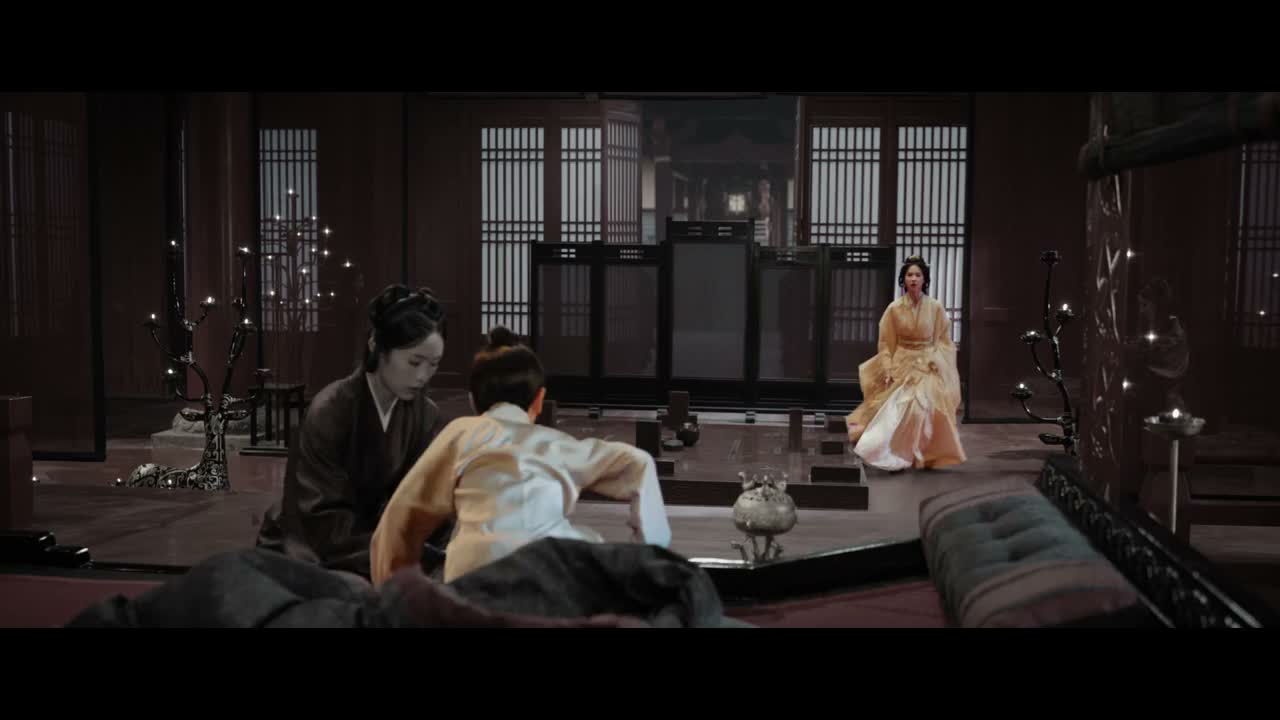
“Yu. Yu. Come here.”

“Yu.”

“Yu finds it quite good. It tastes very much like what his mother used to enjoy.”
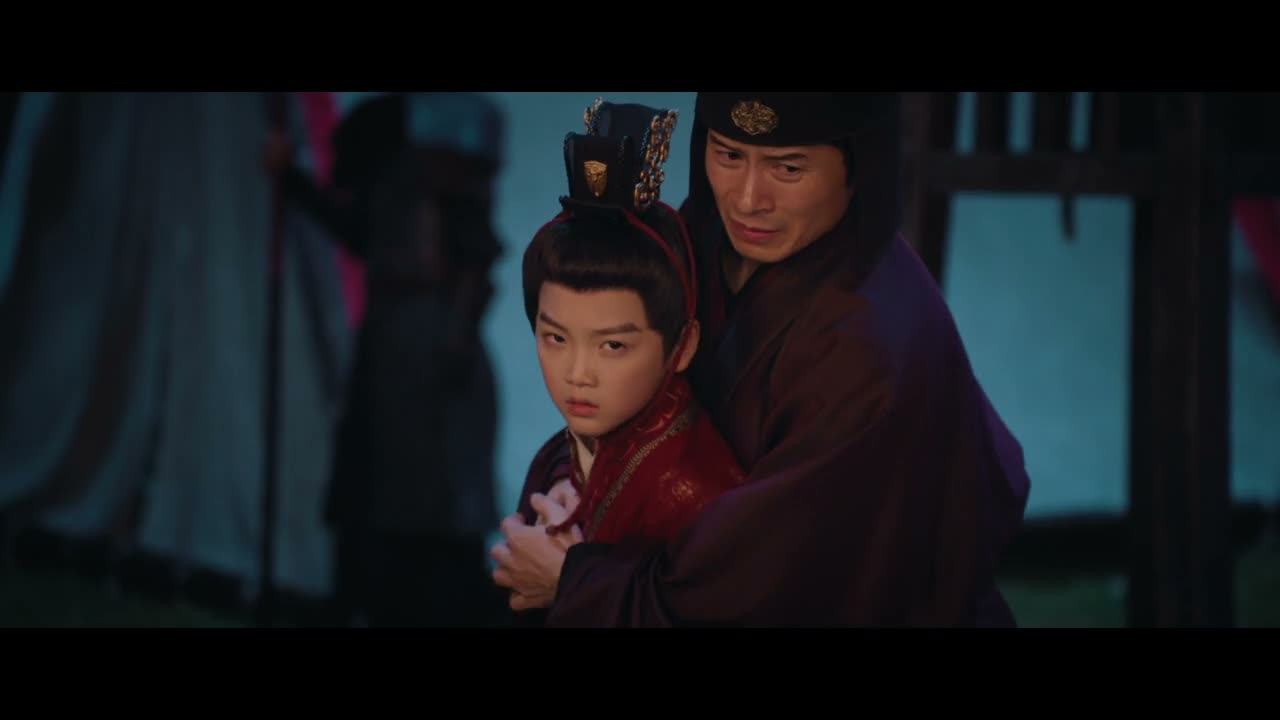
“Yu will be very sad.”

“Come on, Yu. Show me how well you can hunt.”