一定要活着离开容城
“You must leave Rongcheng alive. ♪ Don't rush to wake up ♪”
THE DIALOGUE REEL
“♪ Close your eyes for me ♪ Your mission is complete, but the danger isn't over. Go to the train station now.”
一定要活着 离开 容城
“You must leave Rongcheng alive. ♪ Don't rush to wake up ♪”
谢谢你
“♪ Will you stay with me? ♪ Thank you,”
Direct spoken expression in this communicative setting.
In Chinese cinema, urging an ally to survive above all else reflects deep emotional solidarity and mutual protective responsibility in critical moments.
LEARNING CHUNKS & PARTICLES
must; definitely need to
Use before verbs to state a vital requirement, firm resolution, or strong piece of advice.
make it out alive; leave alive
A common dramatic collocation used when warning someone to survive a dangerous ordeal.
VOCABULARY & EXPRESSIONS
Parallel Spoken Cinema Scenes (语义近邻切片)

“must not leave the capital alive. Good.”
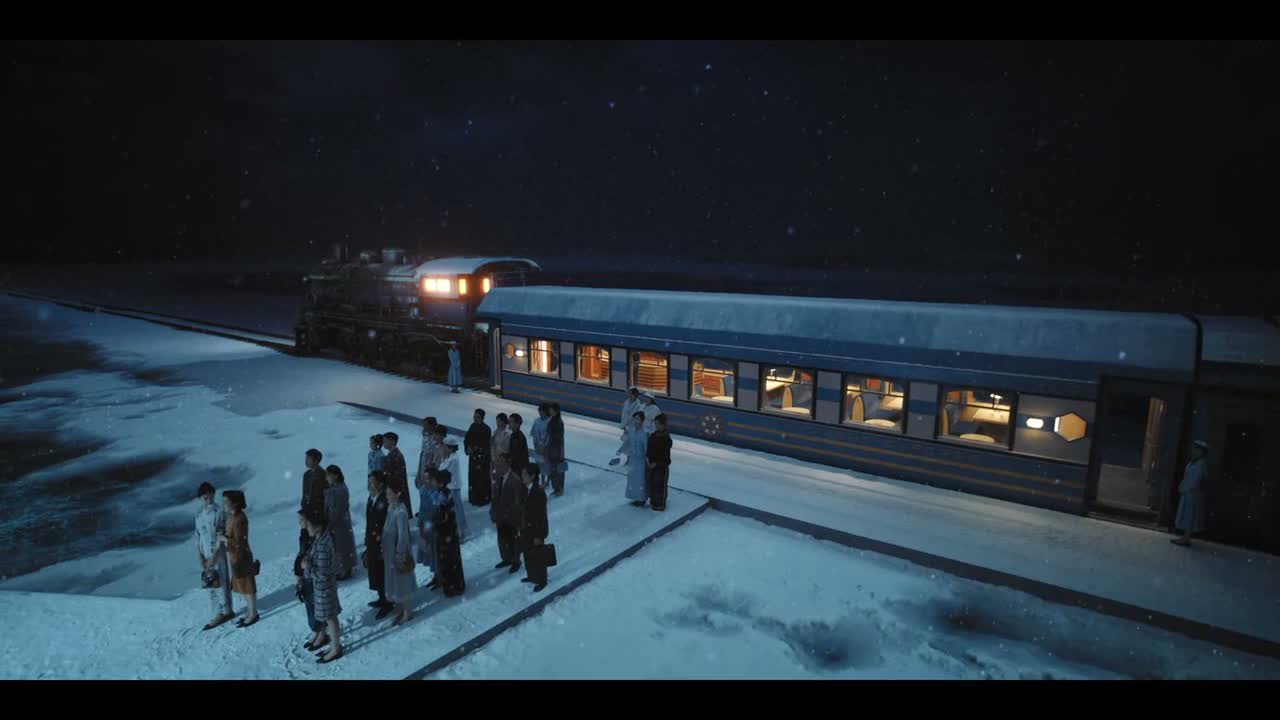
“Whether you can board the train leaving Rongcheng”

“We've arrived in Rongcheng. Players, please exit the vehicle in an orderly manner.”

“He won't follow Rongcheng's rules.”

“You were the one who saved me back in Rongcheng.”

“leave the capital soon.”