势大的 迈前门走 我没后门
“You sure ask a lot. Use the front door. I have no back door.”
THE DIALOGUE REEL
把这粮食定量给增加一点
“Raise the grain ration a bit?”
势大的 迈前门走 我没 后门
“You sure ask a lot. Use the front door. I have no back door.”
你把这事给办了
“Get this done for me,”
“Do not try to pull strings with me; go through proper channels because I will not do you illegal favors.”
In planned-economy eras and bureaucratic contexts, 'going through the back door' refers to obtaining scarce resources via personal connections rather than merit or standard policy.
LEARNING CHUNKS & PARTICLES
front door; proper and legitimate channels
Metaphorically contrasts with 'backdoor' to signify open, legitimate procedures.
to go through the back door; to use illicit connections
Widely used to describe gaining unfair advantages or bending official rules through personal networks.
VOCABULARY & EXPRESSIONS
Parallel Spoken Cinema Scenes (语义近邻切片)

“Block all the doors. Don't let anyone escape. Move!”

“Some choose to walk out through the front door,”

“Go through the back door. Hurry! Understood!”

“Dongmen is big. There isn't just one market.”
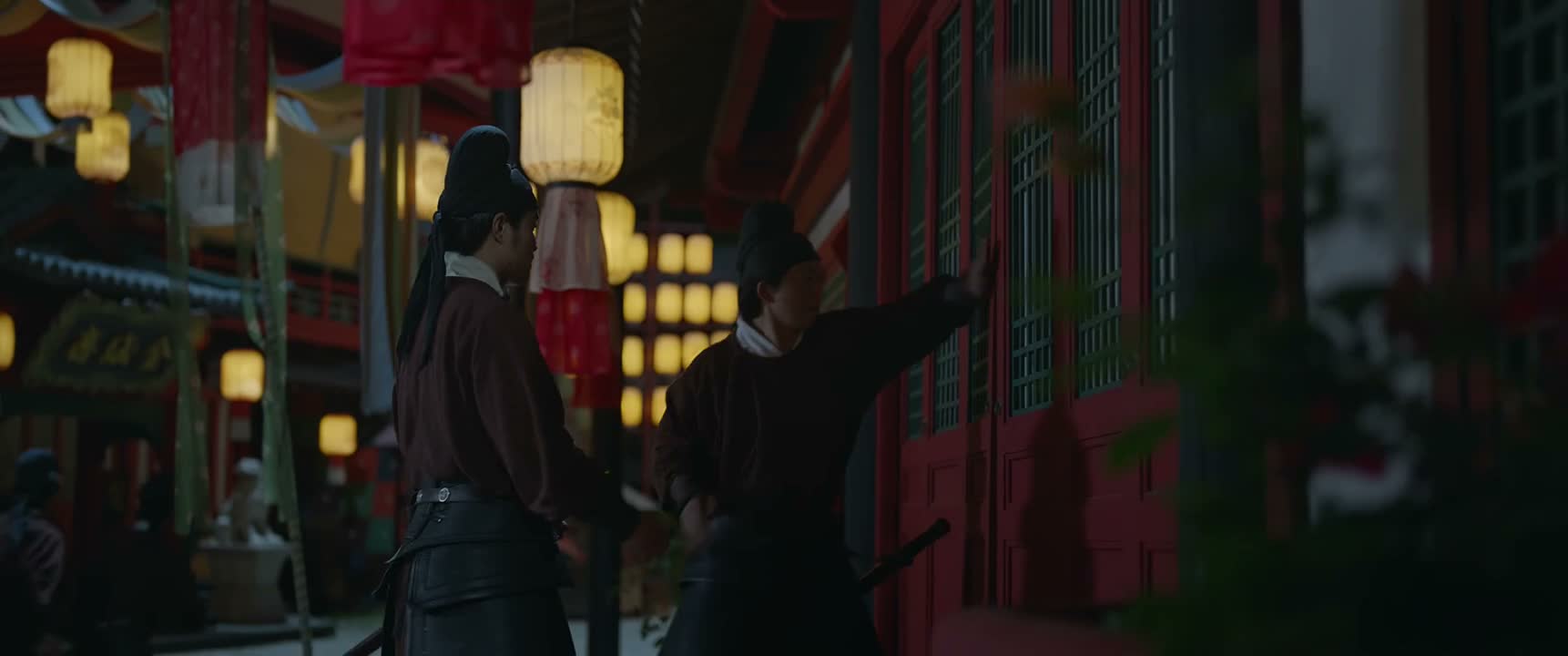
“Open the door! Open up! Hurry!”
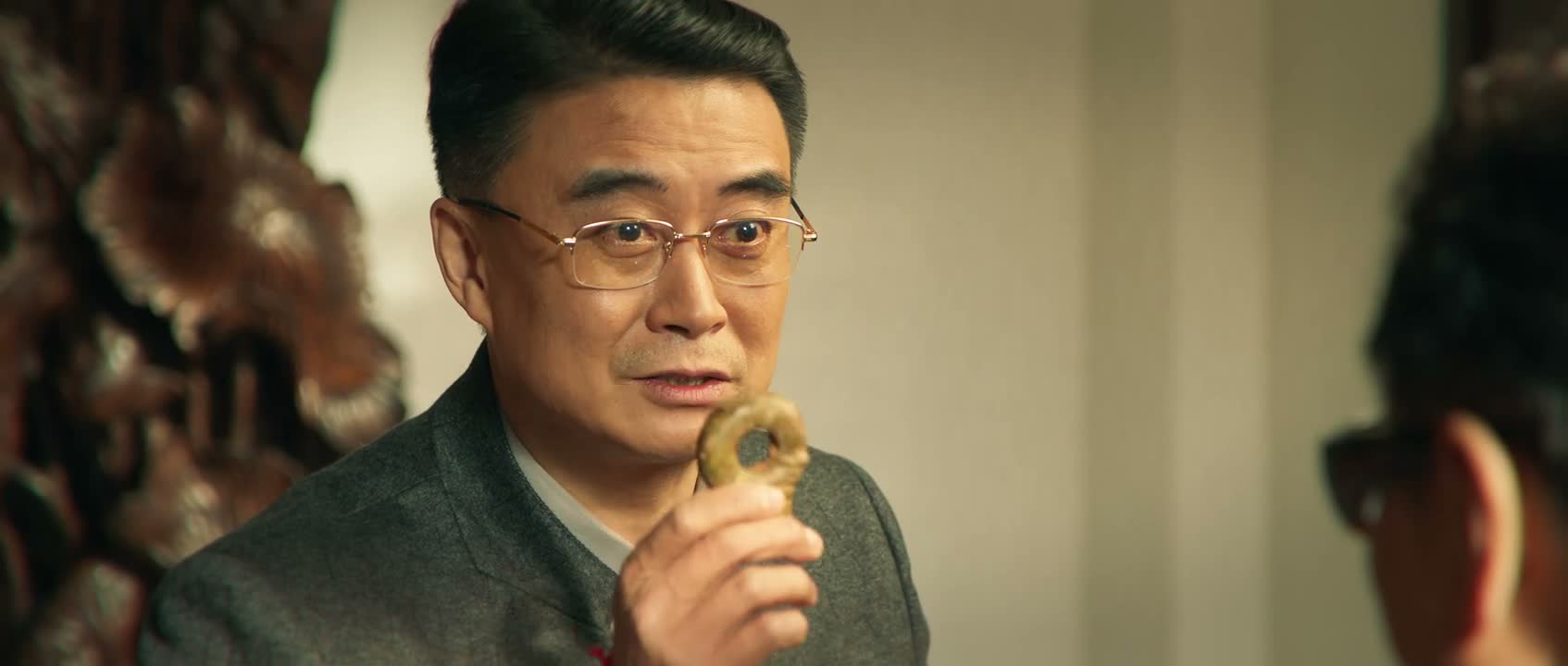
“Dead giveaway.”